Inside the Shocking Price Tag of Christa Pike’s Case: What Campaigners Don’t Want You to Know

So, here we are, staring down the barrel of a gut-wrenching question: How does a death sentence end up costing taxpayers over three million bucks—and that’s before the execution even works? Christa Pike, a death row inmate who somehow survived not one but two lethal injection attempts, has put a glaring spotlight on the staggering expenses behind the curtain. After sitting behind bars for more than 30 years for murder, Pike’s failed execution has morphed from a grim justice tale into a costly medical nightmare, complete with blistered arms and an ever-growing hospital bill. It’s enough to make you wonder if the real death sentence is being handed to taxpayers—with no survival chance. Dive into the jaw-dropping numbers and the messy reality behind the capital punishment scoreboard. LEARN MORE
The surprising multi-million-dollar cost of executing killers is under the spotlight since the failed lethal injection of death row inmate Christa Pike drew global attention.
Murderer Pike survived two doses of the poisonous drug pentobarbital by the Tennessee Department of Correction on September 30 after languishing behind bars for over three decades.
Her case is estimated by an anti-death penalty group to have cost taxpayers over $3 million so far, with medical bills, legal challenges, her continued incarceration and investigation costs set to push that figure higher, reports The US Sun.
She was due to be executed for the 1995 murder of classmate Colleen Slemmer, but instead she is ‘conscious, speaking’ according to her legal team.
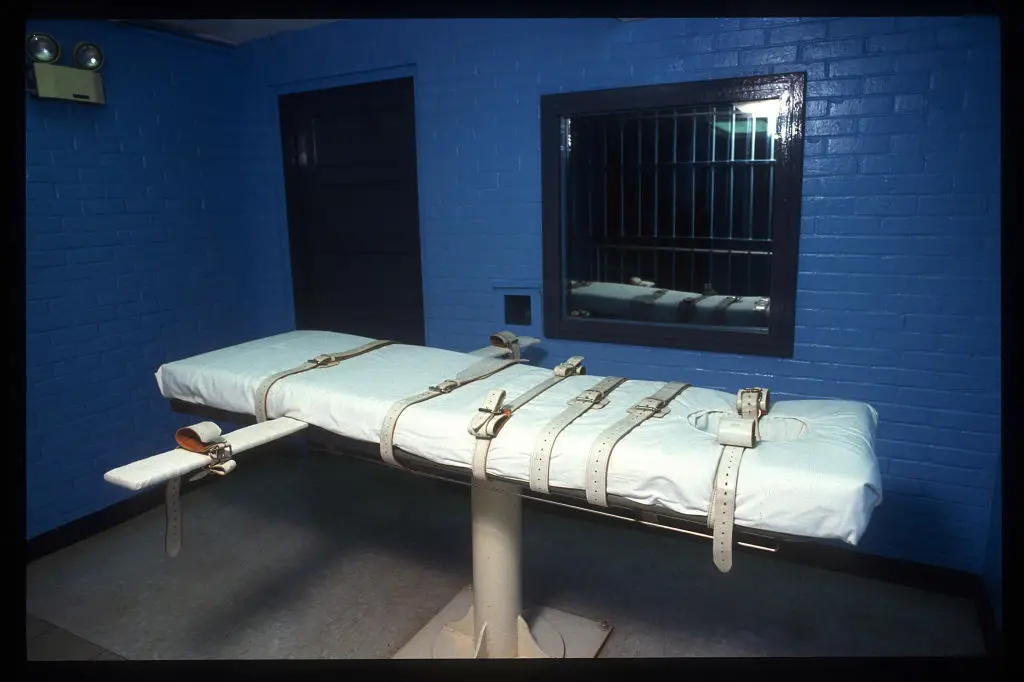
This facility in Texas shows the layout of an execution chamber (Getty)
They say faulty IV lines allowed the drug to leak into her tissue, causing both arms to become ‘swollen, burned and blistered’.
According to published Nashville hospital rates, the six days of intensive care Pike has received could already have produced a $26K bill, not including the costs of round-the-clock security and continuing legal fees.
Tennesseans for Alternatives to the Death Penalty executive director Stacy Rector told The US Sun, “I would guess her case has exceeded $3 million, before this botched execution attempt.
“I can’t even begin to guess what her hospital bill will be once this is all over – a hundred thousand plus?
“All is being paid by TN taxpayers.”
Pike was being held at the Nashville Debra K. Johnson Rehabilitation Center before she was moved to the Riverbend Maximum Security Institution for her failed execution.
The estimated bill for Pike’s execution was based on data collected by a Maryland study from 1978 to 1999 of 1,136 murder cases where the death penalty could have been imposed.
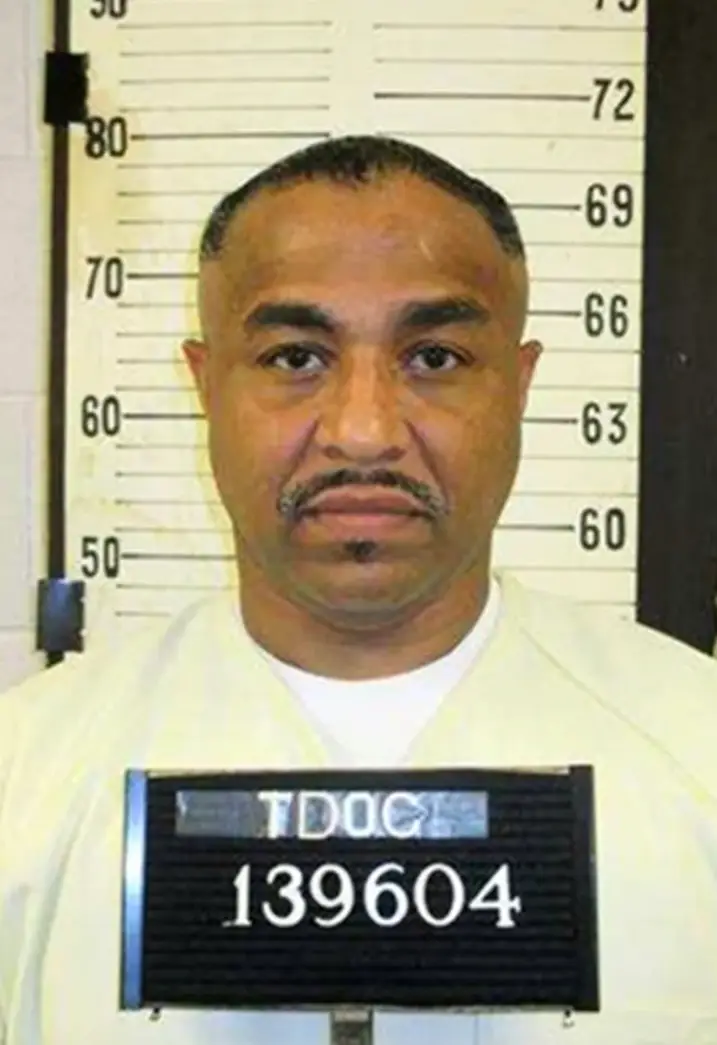
Tony Carruthers was given a temporary reprieve after Pike’s failed execution (Tennessee Department of Corrections)
Where prosecutors did not seek the death penalty the average bill was about $1.1 million.
In cases where the death penalty was sought but not imposed the bill rose to $1.8 million.
However, in cases where the death penalty was imposed costs were around $3 million, including the trial, the appeals process and incarceration.
An Ohio Legislative Service Commission study concluded in 2021 that death penalty cases cost up to five times more than non-capital cases – which could work out to between $1 million and $3 million per case.
In Indiana, costs were up to eight times higher for death row cases.

Christa Pike, pictured in 1995, could be heard snoring after the curtain to the execution chamber was drawn (WBIR10)
In Tennessee research by the state found taxpayers paid around 48% more where the death penalty is imposed when compared to life imprisonment.
Rector said, “I think the cost is a colossal waste of tax dollars spent pursuing death for a handful of people who are already incarcerated.”
She added, “Too many Tennesseans lack access to mental health care, and our Department of Children’s Services continues to struggle to serve children like Christa Pike, who have experienced terrible trauma and violence.”
Rector explained how taxpayers largely remain ignorant of how much money is being spent on death row and execution in their home states.
She said, “Our organization, TADP, continues to educate people about these costs, but too many Tennesseans don’t know how expensive it is.
“Our state has no centralized mechanism to track these costs so taxpayers are in the dark.”

Joking Hazard Enlarged Box Empty Box for Card Storage
$12.00 (as of October 7, 2026 00:56 GMT +00:00 - More infoProduct prices and availability are accurate as of the date/time indicated and are subject to change. Any price and availability information displayed on [relevant Amazon Site(s), as applicable] at the time of purchase will apply to the purchase of this product.)
Supa Ant Fire Blanket -Certified 1200F Extra Thick, Glow in The Dark | Glow in The Dark Emergency Supplies 500gsm, 0.5mm Thick Wearable Fire Blankets for Home. Emergency Blanket with Cape & Hood
$83.99 (as of October 7, 2026 00:56 GMT +00:00 - More infoProduct prices and availability are accurate as of the date/time indicated and are subject to change. Any price and availability information displayed on [relevant Amazon Site(s), as applicable] at the time of purchase will apply to the purchase of this product.)
Supa Ant Fire Blanket -Certified 1500F Extra Thick, Glow in The Dark | Fireproof Emergency Supplies. 500gsm, 0.5mm Thick Fire Blankets Emergency For Home. 5pc Fire Safety Emergency Blanket 40"x40"
$92.95 (as of October 7, 2026 00:56 GMT +00:00 - More infoProduct prices and availability are accurate as of the date/time indicated and are subject to change. Any price and availability information displayed on [relevant Amazon Site(s), as applicable] at the time of purchase will apply to the purchase of this product.)
Supa Ant 6x8ft. Welding Blanket Fireproof (Pack of 2) - Heavy Duty Weld Fire Blanket Tools - Welders Cover for Men Curtain with Gloves - Large Welding Gear for Welder Accessories
(as of October 7, 2026 00:56 GMT +00:00 - More infoProduct prices and availability are accurate as of the date/time indicated and are subject to change. Any price and availability information displayed on [relevant Amazon Site(s), as applicable] at the time of purchase will apply to the purchase of this product.)



















Post Comment