Lost for Centuries: Mystery Ship Linked to Charles I Discovered Beneath Scotland’s Waves
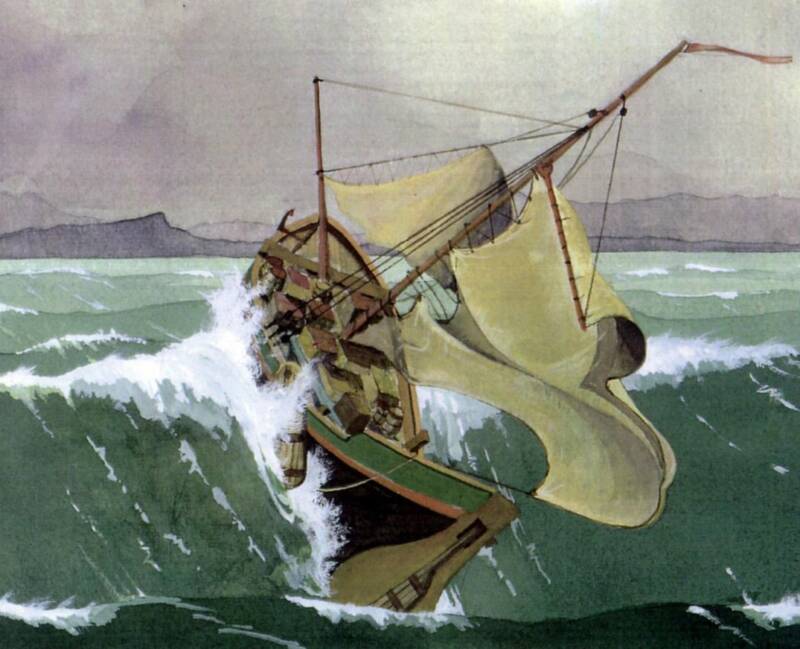
Picture this: a royal treasure ship, packed tighter than a Black Friday sale with gold, jewels, and other regal goodies, vanishes beneath the waves nearly 400 years ago — only to potentially pop up just a mile off the Scottish shore, like some watery mic drop from history itself. Yep, the Blessing of Burntisland, King Charles I’s ill-fated ferry, might’ve been found resting in the Firth of Forth bay, holding secrets (and treasure!) worth millions in today’s cash. But before we start dusting off pirate hats and dreaming of sunken fortunes, the Burntisland Heritage Trust is busy carbon-dating wood samples, cautiously whispering “maybe” instead of shouting “jackpot.” What happened to the king’s bling, who covered up this maritime mishap, and could this discovery rewrite a slice of Scottish history? Dive in with me as we explore this tantalizing tale of storms, secrets, and submerged splendor.
The Blessing of Burntisland sank into the Firth of Forth bay in 1633 — and it may have just been discovered only a mile from shore.
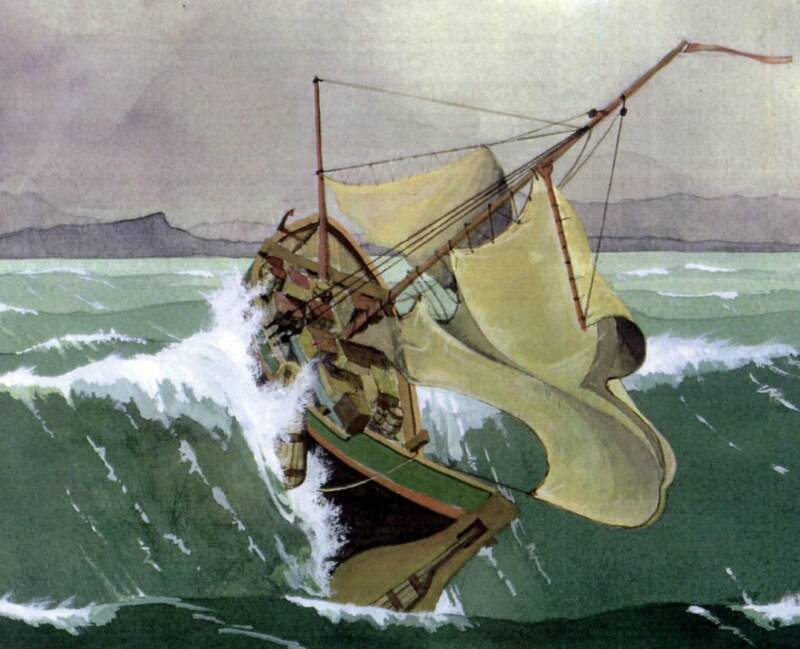
Burntisland Heritage TrustThe Blessing of Burntisland was carrying Charles I’s treasure and baggage when it sank off the coast of Scotland in 1633.
After almost 400 years, a royal ship of England’s King Charles I that sank off the coast of Scotland while laden with his treasure may have finally been found. Burntisland Heritage Trust believe their team has located the wreck of the Blessing of Burntisland in the Firth of Forth bay in southeastern Scotland.
While the group describes the chances that they have indeed found this wreck — at a site sitting about a mile from Burntisland — as “promising,” they’ve also urged caution that more testing needs to be done in order to absolutely confirm that they’ve finally found this fabled shipwreck.
The Royal Treasure Ship Of Charles I That Sank In Scotland In 1633
The Blessing of Burntisland was traveling from Burntisland to Leith as part of Charles I’s Scottish coronation tour in 1633. But on July 10, stormy weather descended upon the seas.
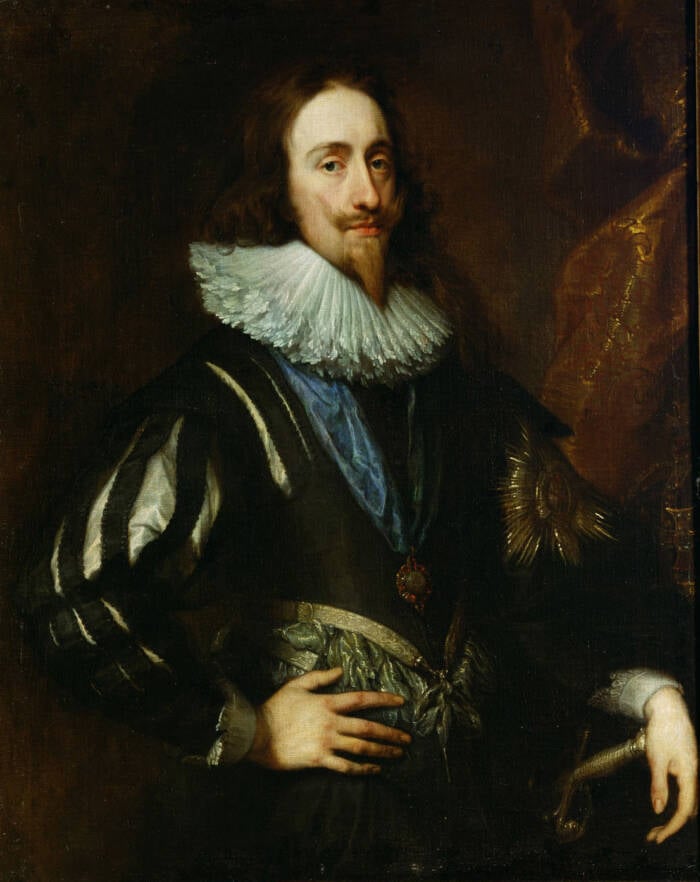
Public DomainCharles I likely covered up the shipwreck due to fear of political embarrassment.
Charles I was aboard a different vessel for the tour, which survived the storm. But the Blessing of Burntisland, carrying his baggage and treasure, sank during the short voyage. Reportedly, only two of the 35 people on board the Blessing survived.
According to the Burntisland Heritage Trust, the accident was likely covered up due to potential political embarrassment, which also meant that no one was looking for the wreck for decades.
The cargo lost with the wreck reportedly included royal jewelry, textiles, coins, and precious-metal plates — in total, valued at around £100,000 at the time, or some $27 million today.
Historical accounts have also suggested that a gold and silver dinner service commissioned for King Henry VIII during the 16th century was also aboard the vessel. But no official inventory or valuation of those goods was established.
The exact dimensions of the ship are also unknown, but surveys have found that the wreck suspected of being the Blessing of Burntisland is about 55 feet in length.
The Possible Discovery Of The Blessing of Burntisland
The Burntisland Heritage Trust stated that they found the possible location of the wreck with a combination of subsea ground-penetrating radar, various advanced scanning techniques, and direct examination via diving.
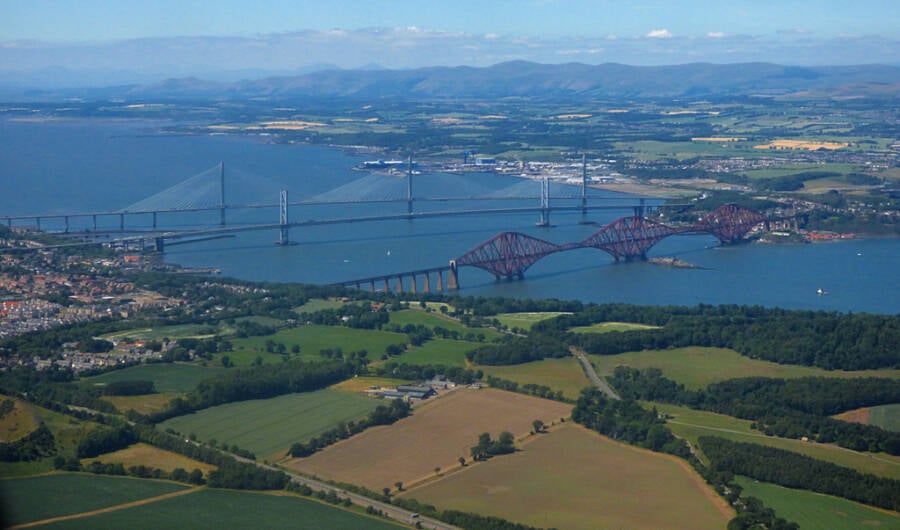
Wikimedia CommonsThe wreck is believed to have been discovered in the Firth of Forth, just a mile from shore.
“Core samples now strongly point to the wreck being that of the Blessing,” a report from the trust said, according to Divernet.
“We may have found the site of a historic wreck, but we have not yet identified it,” said search team leader Ian Archibald. “We have retrieved a timber sample but we do not know at this stage what ship that has come from. The next stage would be carbon-dating.”
The team has reported the recovered timber to the Receiver of Wreck, a government official who presides over matters of shipwrecks and maritime treasure.
Although still unconfirmed as of now, this promising find is exciting for the trust, which has been involved in more than 30 years of investigations related to the Blessing of Burntisland. According to a short history of the search on the trust’s website, the trust took over the search after an American exploration company pulled out in 1996.
In previous searches, scuba divers attempting to investigate sonar targets have struggled with strong tides, deep silt, and low visibility.

Wikimedia CommonsCharles I was later tried, convicted, and executed for high treason in 1649 after years of clashing with Parliament over the extent of his powers as part of the English Civil War.
Over time, despite the difficult conditions, the team did make some finds — though not the royal treasure ship they were hoping for. The discoveries included pottery, shoe leather, and fastenings, but none helped identify the Blessing. Instead, the team discovered an armed naval tug boat from World War I and a fighter plane from World War II.

RIVER OF GOODS Stained Glass Bird Accent Lamp - 8" W x 13.5" H - Tiffany Style Table Lamps for Home, Office Desk, Bedroom, Nightstand - Blue Jay Decor
(as of October 26, 2026 01:02 GMT +00:00 - More infoProduct prices and availability are accurate as of the date/time indicated and are subject to change. Any price and availability information displayed on [relevant Amazon Site(s), as applicable] at the time of purchase will apply to the purchase of this product.)
RIVER OF GOODS Stained Glass Magna Carta LED Ceiling Fan - 52" L x 52" W - Tiffany Style - Flush Mount Ceiling Fan with Remote - Teal
(as of October 26, 2026 01:02 GMT +00:00 - More infoProduct prices and availability are accurate as of the date/time indicated and are subject to change. Any price and availability information displayed on [relevant Amazon Site(s), as applicable] at the time of purchase will apply to the purchase of this product.)
Fire Cloak - 1500F CE Certified Emergency Fire Blanket for Home & Kitchen | 500GSM Fabric & 0.5mm Thick - Silicon Coated 100% Fiberglass Essentials in House, Warehouse Office - 55"L x 70"W by Supa Ant
$83.99 (as of October 26, 2026 01:02 GMT +00:00 - More infoProduct prices and availability are accurate as of the date/time indicated and are subject to change. Any price and availability information displayed on [relevant Amazon Site(s), as applicable] at the time of purchase will apply to the purchase of this product.)
Skater Trainer Wheels - Beginners get Skateboard Tricks Fast, Safe and Fun | Viral accessory gift - Helps beginners stay excited about their new skateboard - Kids & parents love these
$28.99 (as of October 26, 2026 01:02 GMT +00:00 - More infoProduct prices and availability are accurate as of the date/time indicated and are subject to change. Any price and availability information displayed on [relevant Amazon Site(s), as applicable] at the time of purchase will apply to the purchase of this product.)