Mystery Glitch Strikes Major US Banks—Is a Hidden Cyber Threat Lurking Behind Chase’s ‘Software Bug’?

Ever wonder what chaos might ensue if your bank suddenly acted like a moody teenager, deciding it just doesn’t want to cooperate? Well, thousands of Americans have been staring at blank screens or error messages, trying to access their accounts at big names like JP Morgan Chase, Capital One, and others. It’s not a heist or a cyberattack—just a pesky software glitch playing havoc behind the scenes. Meanwhile, the digital payment app Zelle, caught in the crossfire, insists it’s doing just fine even as customers report hiccups. It’s a tech snafu that’s got people asking: If our banks can’t keep their digital act together, what hope do the rest of us have for a smooth financial day? Hang tight—here’s the lowdown on this glitchy mess and why the big dogs assure us all funds are still safe and sound.
Thousands of people have been reporting problems with several major US banks including JP Morgan Chase, as well as digital payment app Zelle.
Data from Downdetector, which tracks outages based on user reports, shows customers of several banks have been experiencing issues accessing their accounts, including Capital One, Chase Bank and Truist.
In a statement, Chase Bank confirmed that its services had been affected but said it was not due to a cyberattack.
In a post on X, the company said: “JPMorganChase has experienced a temporary issue related to a software bug in on-premise hardware systems – there is no evidence this is cyber-related. It is taking longer than usual to service some customers.
“Where we were party to a transaction involving other banks, those banks may have been impacted, but this is not a systemic issue.

Chase Bank has confirmed its services have been impacted (Thomas Fuller/SOPA Images/LightRocket via Getty Images)
“Customers still have access to their accounts and funds.
“We’re working diligently to resolve this by the end of the day today.”
Capital One and Truist have both issued statements saying that their services are running as usual, despite customers reporting issues on Downdetector.
A Truist spokesperson told the BBC it was operating as normal, adding: “We continue to closely monitor our systems and are not aware of any broad service disruptions at this time.”
While, Capital One told the outlet that it had ‘not been impacted and continues to operate normally’.
There were also reports that Wells Fargo, US Bank and Bank of America were all experiencing problems.
Others reported that the digital payment app Zelle is also having problems, but in a statement to the BBC, the company said it is ‘operating as it should’. “Consumers use Zelle through participating banks and credit unions, which manage their accounts and hold their funds,” a spokesperson said.
“Consumers do not have a separate Zelle account, and Zelle does not hold consumer funds.”
The spokesperson went on to say that it is an issue at other banking and financial institutions that may be ‘impacting broader services, including Zelle payments’.
Early Warning Services, which acts as a network operator for Zelle, is jointly owned by financial institutions, including Capital One, JPMorgan, PNC Bank, Wells Fargo, U.S. Bank, Bank of America.
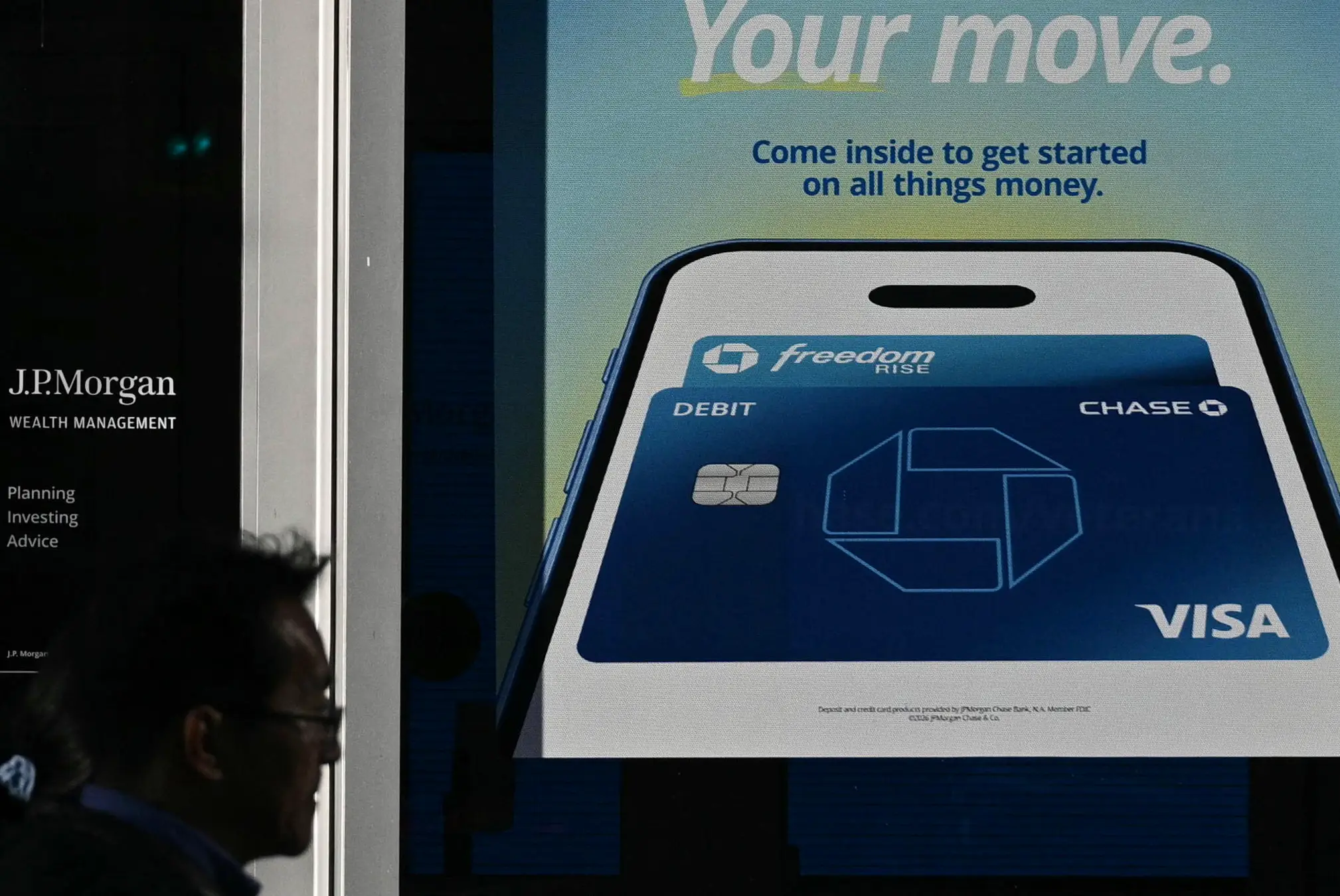
Thousands of people have reported outages (Brendan SMIALOWSKI / AFP via Getty Images)
The outages comes just days after Microsoft experienced widespread outages impacting several of its services including Outlook and Teams.
In a statement, the company apologised for the outage, which impacted millions and lasted around 18 hours, and stressed that it was not caused by a cyberattack.
“We are deeply sorry for the disruption this incident has caused our customers and partners. We know the trust they place in our services and take that responsibility extremely seriously. We are seeing broad recovery and stability across our services,” the company said.
“The incident was introduced by an issue during an earlier network capacity upgrade that surfaced following a recent network change. We have addressed the underlying issue and continue to restore service to remaining customers and regions.
“Given the scale of demand, we restored services gradually, validating stability at each stage. While this took longer, it helped ensure a stable restoration.”
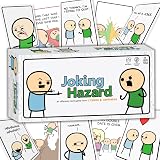
Joking Hazard by Cyanide & Happiness - 360+ Funny & Inappropriate Comic Cards, Hilarious Party Games | Includes Add-Your-Own-Words Cards
$24.95 (as of November 17, 2026 01:11 GMT +00:00 - More infoProduct prices and availability are accurate as of the date/time indicated and are subject to change. Any price and availability information displayed on [relevant Amazon Site(s), as applicable] at the time of purchase will apply to the purchase of this product.)
White Leaf Baby Food Pouches, Toddler Snack, Mango + Carrot + Banana + Pear | 24 Pack, Organic No Added Sugar, Non-GMO, BPA-Free Regeneratively Farmed, Squeeze Puree Smoothie Pouch for Adults & Children
$69.95 (as of November 17, 2026 01:11 GMT +00:00 - More infoProduct prices and availability are accurate as of the date/time indicated and are subject to change. Any price and availability information displayed on [relevant Amazon Site(s), as applicable] at the time of purchase will apply to the purchase of this product.)
RIVER OF GOODS Coastal 52 Inch Wooden Bead LED Ceiling Fan, Cream
(as of November 17, 2026 01:11 GMT +00:00 - More infoProduct prices and availability are accurate as of the date/time indicated and are subject to change. Any price and availability information displayed on [relevant Amazon Site(s), as applicable] at the time of purchase will apply to the purchase of this product.)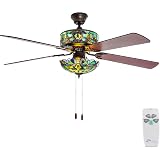
RIVER OF GOODS Stained Glass Magna Carta LED Ceiling Fan - 52" L x 52" W - Tiffany Style - Flush Mount Ceiling Fan with Remote - Teal
(as of November 17, 2026 01:11 GMT +00:00 - More infoProduct prices and availability are accurate as of the date/time indicated and are subject to change. Any price and availability information displayed on [relevant Amazon Site(s), as applicable] at the time of purchase will apply to the purchase of this product.)



















Post Comment