Netflix’s Monster Series Unveils Shocking Twists Beyond the Real Lizzie Borden Case—What They Didn’t Tell You!
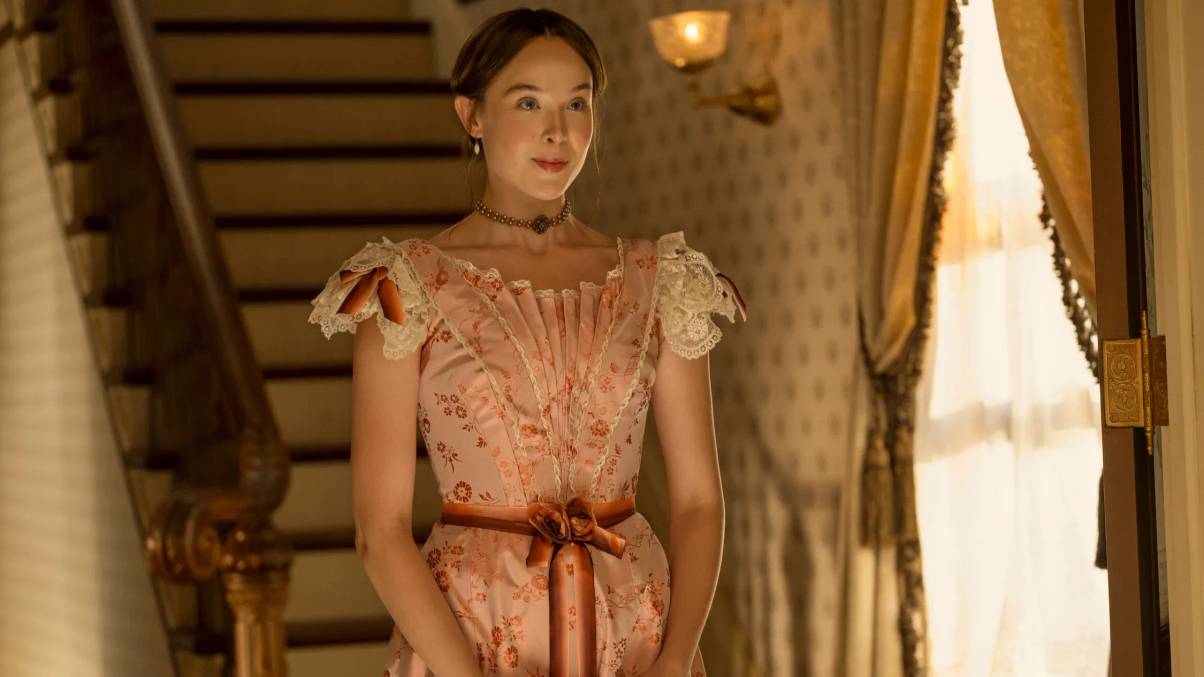
Is this the Netflix Monster series or a Marmite commercial? Because the latest season has sparked more debate than a pineapple-on-pizza discussion. Ian Brennan’s take on Lizzie Borden’s infamous 1892 axe murders doesn’t just bend the truth—it probably gave it a friendly little nudge off a cliff. With liberties the size of an axe handle, the show paints Lizzie as the outright villain, despite her historic acquittal, and tosses in a few eyebrow-raising twists like a fictitious romance and timeline gymnastics that even the most forgiving history buffs can’t swallow. But hey, who doesn’t love a spicy retelling that keeps us guessing what’s fact and what’s pure Netflix flair? Buckle up, because accuracy took a backseat, and the creative license? Well, it’s driving this horror train full steam ahead. LEARN MORE
The latest Monster series is more controversial than Marmite at the minute – and the lack of historical accuracy has proved to be a huge sticking point for some.
Ian Brennan’s script for the Netflix series centred around the trials and tribulations that Lizzie Borden faced features a fair bit of artistic licence, as he had to fill in some of the blanks himself.
But one viewer has complained that he ‘completely changed’ the story of the 1892 axe murders and ‘went overboard with creative liberty’ when retelling the chilling tale.

Lizzie Borden is the subject of the fourth Monster series (Getty Images)
Miro Malacrida, who describes himself as an actor, broadcaster and horror fan, reckons that although the cast of Monster: The Lizzie Borden Story put on ‘really great’ performances, the plot strayed too far from the truth.
He shared a thorough breakdown of all the major differences he noticed between the show and what actually happened in real life in a thread on X.
The content creator, from Brazil, explained he spotted a problem as soon as he sat down and pressed play, as there is an inaccuracy in the ‘very first scene’.
Depicting Lizzie as a killer
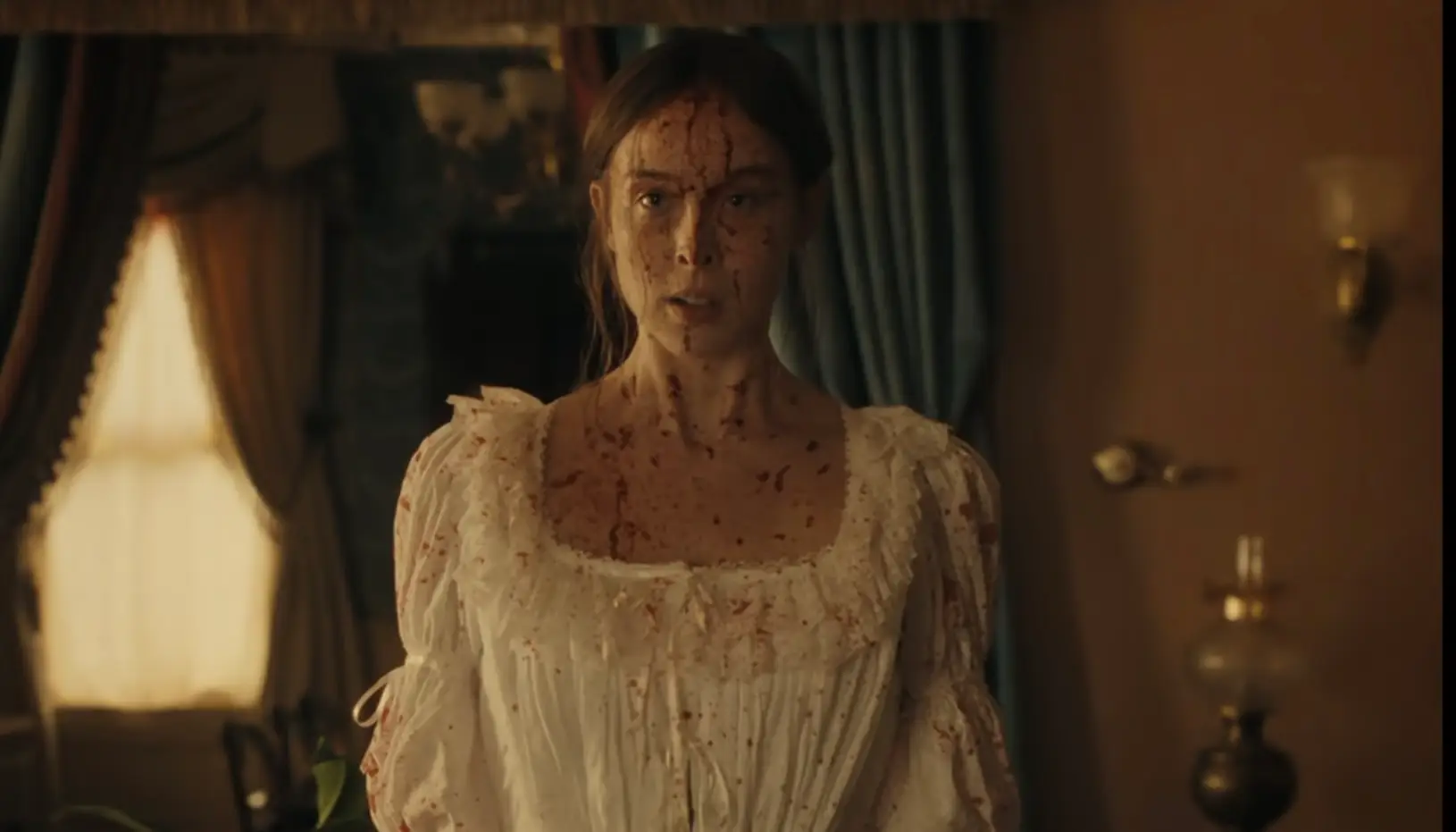
She was acquitted of the murders, but is still painted as a cold-blooded killer in the series (Netflix)
Miro pointed out that the aptly named episode ‘Bloodbath’ kicks off showing Lizzie bludgeoning her father and stepmother to death with an axe – despite the fact that she was acquitted of the murders.
Speaking to The Hollywood Reporter, Brennan explained that he didn’t realise that the alleged killer ‘got away with it’ until he began his research for the fourth series of Monster.
“That was totally news to me,” he said. “There are very few historical things like that where you can spring that on an audience. At a certain point, you just have to pick.
“You do as much research as you can, and then you’re like, ‘Okay, what do I think about this?’ And I’m like, ‘Well, she definitely did it. Like, of course she did it’.”
This explains why the identity of the assailant behind the axe murders isn’t up for debate in Monster: The Lizzie Borden Story, although in real life, no one faced justice for the slayings of Andrew and Abby Borden.
A non-existent love affair
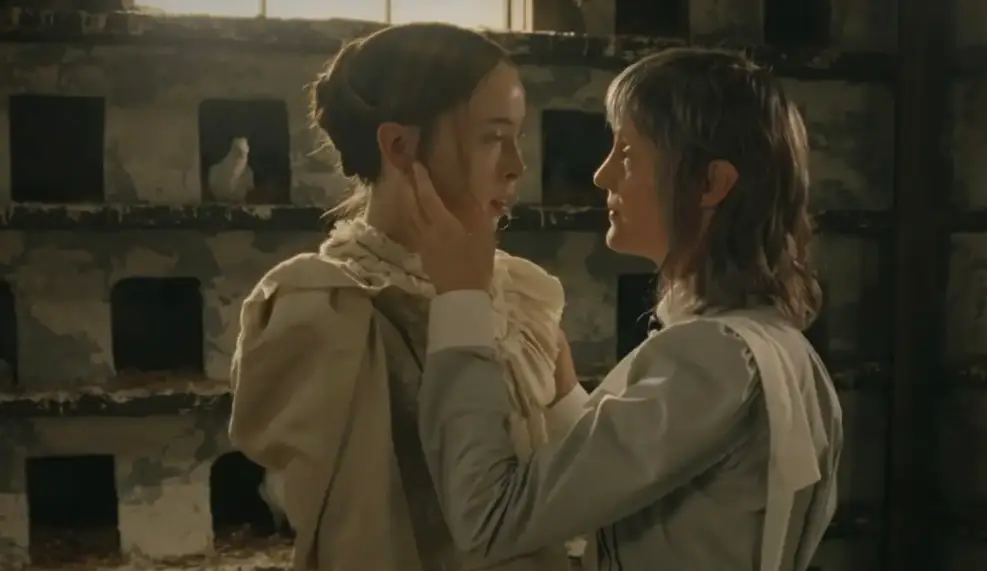
Lizzie and Maggie’s romance didn’t happen in real life (Netflix)
Miro then called the Monster creator out for making Lizzie’s alleged relationship with Bridget ‘Maggie’ Sullivan the ‘centre of the story’ and making it appear as though the housemaid was her accomplice.
This is a complaint shared by a lot of viewers, who questioned why her sexuality was in any way relevant. On top of this, there isn’t any tangible evidence to support the theory that Lizzie was a lesbian.
The YouTuber dubbed this aspect of the plot as the ‘biggest change’ that Brennan made, adding: “She existed and worked in the house, but there is no historical evidence that the two were lovers.”
Brennan revealed that he actually believes the rumours about Lizzie – and explained he included it in Monster as it was an ‘interesting thing to play with dramatically’, while saying: “Even if we didn’t think it was true, I’d still do it.”
Parents painted as ‘villains’
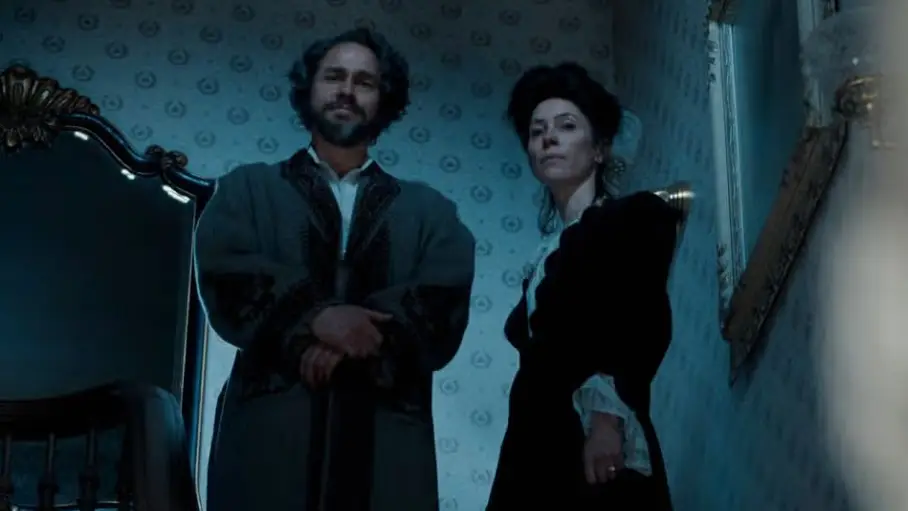
Andrew and Abby weren’t as horrible as Monster made out, according to historians (Netflix)
Although Lizzie’s parents are depicted as quite the devilish pair in the eight-episodes, the history books don’t necessarily support this suggestion.
As Miro put it, Andrew and Abby ‘were turned into villains’ and ‘abuse scenes’ were a regular occurrence – but historian Kathryn Allamong Jacob explained the couple weren’t like this in real life.
She described Lizzie’s father as a wealthy man with sharp business acumen in an article for American Heritage, noting that although he was ‘tightfisted’, he ‘doted on his younger daughter’ Lizzie.
“Over the years he lavished on Lizzie expensive gifts-a diamond ring, a sealskin cape, even a Grand Tour of Europe,” Jacob wrote.
The expert described his second wife Abby as a ‘spinster’, while noting: “Nothing suggests that Abby was anything but kind to the two little girls whose stepmother she became, but they never returned her affection.”
Shifting the order of events
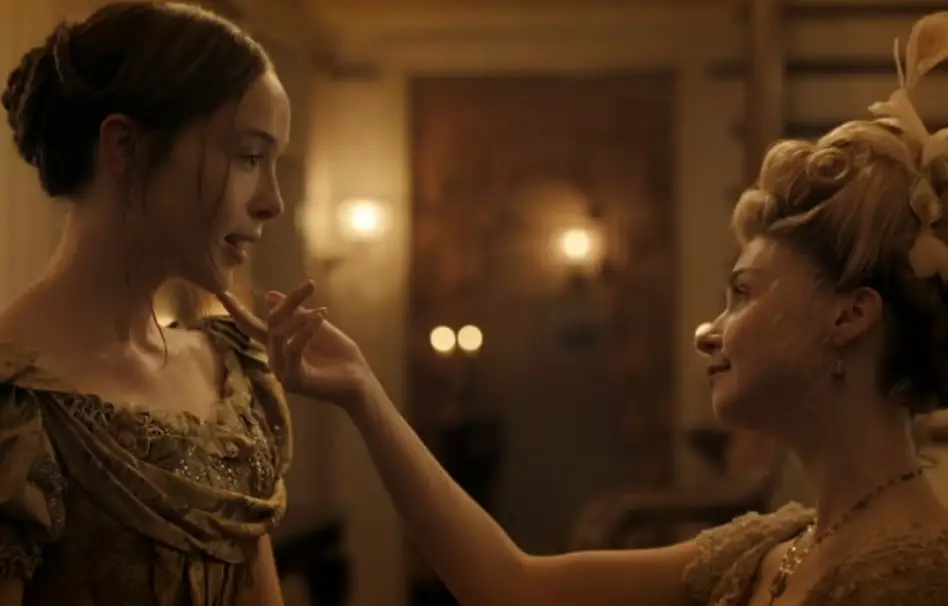
Nance O’Neil didn’t actually met Lizzie until long after the murders were committed (Netflix)
Brennan somewhat fudged the timeline of events to amp up the drama in Monster: The Lizzie Borden Story – as Lizzie didn’t actually become pals with actress Nance O’Neil until over a decade after the crimes.
The star is believed to have crossed paths with the alleged murderer in Boston in around 1904, despite her being such a big part of the series.
“The timeline of Nance O’Neil was completely altered,” Miro wrote.
Brennan explained he did this to spice up the trial scenes, telling Tudum: “Trials are incredibly dry, incredibly boring. But this notion that Lizzie knew an actress, which she did, that suddenly really activated it for us.”
Bertha Manchester’s murder
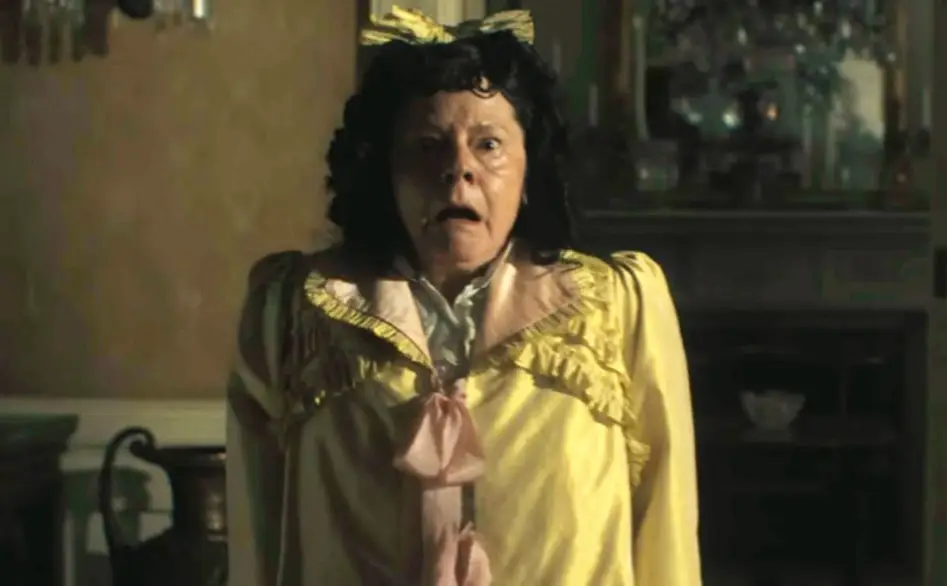
Bertha Manchester’s death didn’t unfold like that in real life (Netflix)
Abby and Andrew aren’t the only ones who meet a grisly end in the series, as viewers watch Lizzie take the life of Bertha Manchester while armed with an axe and a hatchet while Bridget watches on.
This act of vengeance did not unfold in this way in real life, though – and she was actually only 22 at the time, rather than the bitter old lady she is portrayed as on screen.
The real Bertha Manchester did not have a connection to the Borden family, according to The Hatchet: Journal of Lizzie Borden Studies, while Maggie did not work for her either.
Miro pointed out: “Bertha was murdered because of a robbery ten months after the crimes when Lizzie was already in prison!”
Why Aileen Wuornos was there
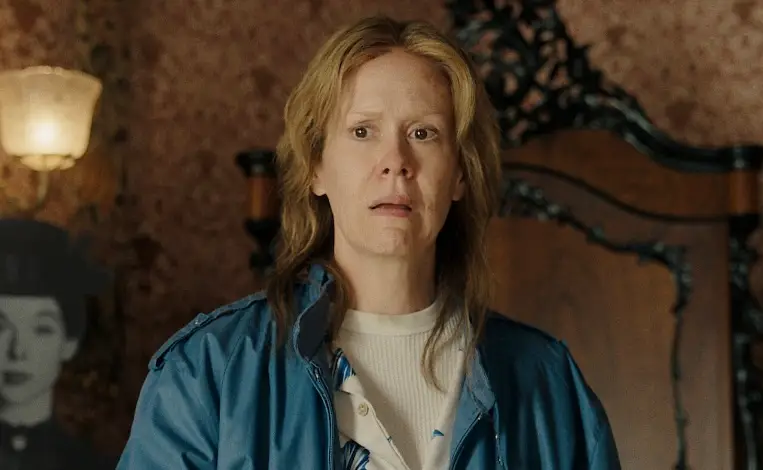
The inclusion of Aileen Wuornos has left a lot of people baffled (Netflix)
A major sticking point for Monster fans is the inclusion of notorious serial killer Aileen Wuornos in the series, despite her being from a completely different era to Lizzie.
Sarah Paulson has received praise for capturing the essence of Wuornos so well, however, there isn’t any historical basis for her inclusion in the series.
Explaining this aspect of the storyline, Brennan told People it was to amp up the conversation around how female monsters are treated in real life.
“That contrast comes in much clearer,” he said. “What is the Lizzie of our world? How is she treated? And how does she lash out?”
RIVER OF GOODS Stained Glass Bird Accent Lamp - 8" W x 13.5" H - Tiffany Style Table Lamps for Home, Office Desk, Bedroom, Nightstand - Blue Jay Decor
$79.99 (as of October 20, 2026 01:01 GMT +00:00 - More infoProduct prices and availability are accurate as of the date/time indicated and are subject to change. Any price and availability information displayed on [relevant Amazon Site(s), as applicable] at the time of purchase will apply to the purchase of this product.)
Skater Trainer Wheels - Beginners get Skateboard Tricks Fast, Safe and Fun | Viral accessory gift - Helps beginners stay excited about their new skateboard - Kids & parents love these
$25.95 (as of October 20, 2026 01:01 GMT +00:00 - More infoProduct prices and availability are accurate as of the date/time indicated and are subject to change. Any price and availability information displayed on [relevant Amazon Site(s), as applicable] at the time of purchase will apply to the purchase of this product.)
Kinsa Smart,Fever, Digital Medical Baby, Kid and Adult Termometro - Accurate, Fast, FDA Cleared Thermometer for Oral, Armpit or Rectal Temperature Reading - QuickCare
$18.94 (as of October 20, 2026 01:01 GMT +00:00 - More infoProduct prices and availability are accurate as of the date/time indicated and are subject to change. Any price and availability information displayed on [relevant Amazon Site(s), as applicable] at the time of purchase will apply to the purchase of this product.)
White Leaf Baby Food Pouches, Toddler Snack, Mango + Carrot + Banana + Pear | 24 Pack, Organic No Added Sugar, Non-GMO, BPA-Free Regeneratively Farmed, Squeeze Puree Smoothie Pouch for Adults & Children
$69.95 (as of October 20, 2026 01:01 GMT +00:00 - More infoProduct prices and availability are accurate as of the date/time indicated and are subject to change. Any price and availability information displayed on [relevant Amazon Site(s), as applicable] at the time of purchase will apply to the purchase of this product.)

















Post Comment