Shocking Study Reveals Vaping’s Hidden Dangers in Under 30s Rival Smoking’s Worst Risks
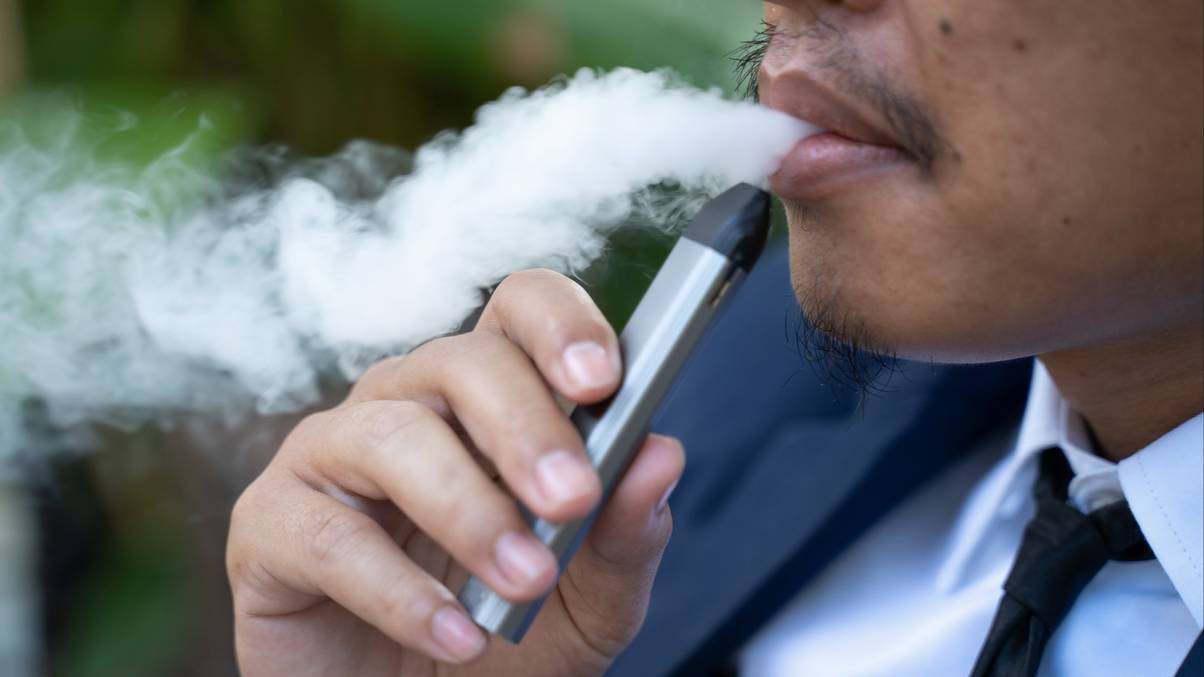
So, here’s a thought to chew on: if smoking is the health villain everyone loves to hate, is vaping the sneaky sidekick we’ve been a bit too quick to trust? The NHS gives vaping a nod as a less harmful route out of smoking—kind of like the cautious friend who says, “Go on, have just one sip of water instead of that triple espresso.” But hold on—new research from Manchester Metropolitan University throws a curveball, showing that for young folks, vaping’s damage might not be miles away from the classic cigarette. Imagine thinking you’re just puffing on a harmless cloud, only to find out your fitness takes a 15 percent nosedive and those legs start staging a revolt mid-cycle. Yeah, it’s not the superhero story we hoped for. So, before you pull out that vape pen thinking it’s the healthier path, maybe it’s time to reconsider the price you’re paying in breathlessness and blood vessel blues. Curious to dig deeper?
A new study has taken a look at the health impact of vaping in younger people, and shown some harmful effects.
It’s now universally accepted in healthcare that smoking is bad for you, whether it’s cancer, heart disease, or stroke, among many others, smoking increases the risk.
The current position on the NHS website is that vaping is useful as a tool to help someone to quit smoking.
A statement on the website says: “Nicotine vaping is less harmful than smoking. It’s also one of the most effective tools for quitting smoking.”
However, it adds: “Vaping is not completely harmless and we don’t know yet what the long-term effects may be.”
Increased restrictions on smoking have also led to vaping becoming more popular not just as a way for people to quit smoking, but as a habit in itself.
But now a new study has examined the health impact of vaping, and found that some of its impact in younger vapers can be comparable to smoking.

Smoking has been shown to be bad for your health, but just how bad is vaping (Getty Stock)
The research was carried out at Manchester Metropolitan University in the UK, and examined 75 people between the ages of 18 and 30.
These were separated off into three groups, including people who had never smoked or vaped, people who vaped but didn’t smoke, and people who smoked.
In the study, which was published in News Medical, researchers examined the difference between people who smoked, and people who vaped but had never smoked.
It found that vaping could have a similar impact on fitness levels to smoking.
People who vaped or smoked experienced things including reduced blood vessel functionality, a lower capacity for exercise, and worse breathing efficiency when compared with people who did not vape or smoke.
Participants in the study took part in a test on cycling, while researchers measured factors including their breathing, heart, and the amount of lactic acid in their blood, with the difficulty being increased until someone could not continue anymore.
They found that people who smoked or vaped had 15 percent lower oxygen uptake than non-smokers and non-vapers.
Not only that, but they also found that lactic acid accumulated more quickly for vapers and smokers, which meant that they felt more breathless, as well as having more discomfort in their legs.
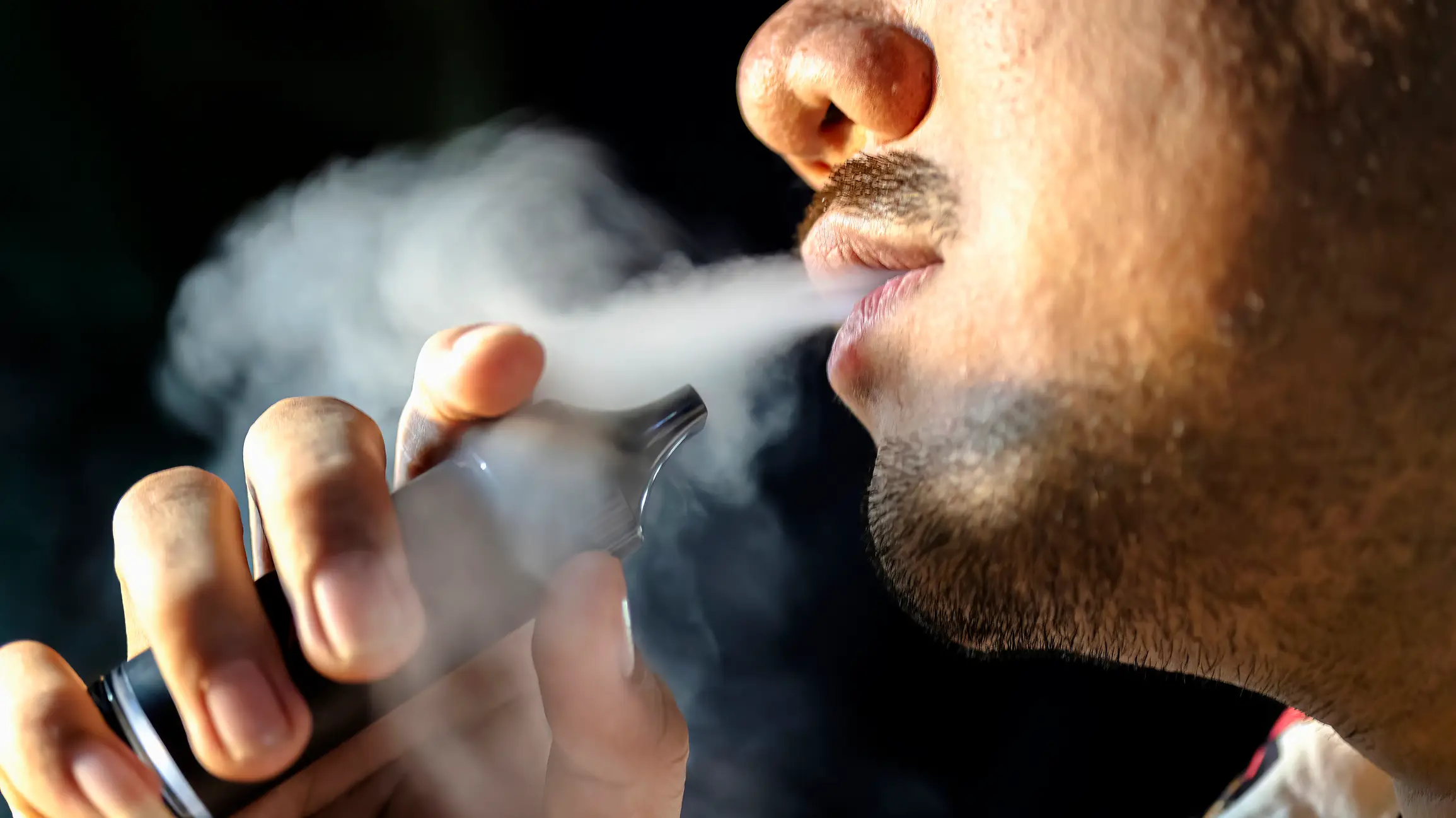
Research found vaping is also bad for you (Getty Stock)
Researchers also carried ultrasound scans and took blood samples from participants.
These showed indications of inflammation in blood vessels, and researchers suggested this indicated a similar impact on young people in both smoking and vaping.
Dr Azmy Faisal is a lead author on the study, which was shared in the journal ERJ Open Research, and told News Medical: “In active, healthy young adults with normal lungs, both vapes and tobacco smoking led to worsened exercise capacity, shortness of breath, and intense leg fatigue.
“Like smoking, our research indicates that vaping can lead to harmful changes to the blood vessels, lung efficiency during exercise and approximately a 15 per cent reduction in fitness compared to those who have never smoked or vaped.”
Dr Faisal added: “These findings provide critical information for the general public, healthcare providers, and regulatory authorities regarding potential early risks associated with vape use, particularly for the growing number of young adults who have never smoked but choose to use these products.
“Additionally, our study supports the UK’s Tobacco and Vapes Act 2026, which prohibits vaping for individuals under 18 and aims to reduce vaping among young adults in the future.”
White Leaf Baby Food Pouches, Toddler Snack, Mango + Carrot + Banana + Pear | 24 Pack, Organic No Added Sugar, Non-GMO, BPA-Free Regeneratively Farmed, Squeeze Puree Smoothie Pouch for Adults & Children
$69.95 (as of October 14, 2026 00:59 GMT +00:00 - More infoProduct prices and availability are accurate as of the date/time indicated and are subject to change. Any price and availability information displayed on [relevant Amazon Site(s), as applicable] at the time of purchase will apply to the purchase of this product.)
RIVER OF GOODS Stained Glass Magna Carta LED Ceiling Fan - 52" L x 52" W - Tiffany Style - Flush Mount Ceiling Fan with Remote - Teal
(as of October 14, 2026 00:59 GMT +00:00 - More infoProduct prices and availability are accurate as of the date/time indicated and are subject to change. Any price and availability information displayed on [relevant Amazon Site(s), as applicable] at the time of purchase will apply to the purchase of this product.)
RIVER OF GOODS LED Boho Ceiling Fan with Hand Woven Brown/Natural Rope - Macrame Knot Work and Hemp Rope Style Eclectic Cottage Decor - 52" L x 52" W - Rich Barnwood/Light Driftwood Fan Blades
(as of October 14, 2026 00:59 GMT +00:00 - More infoProduct prices and availability are accurate as of the date/time indicated and are subject to change. Any price and availability information displayed on [relevant Amazon Site(s), as applicable] at the time of purchase will apply to the purchase of this product.)
Joking Hazard by Cyanide & Happiness - 360+ Funny & Inappropriate Comic Cards, Hilarious Party Games | Includes Add-Your-Own-Words Cards
$24.95 (as of October 14, 2026 00:59 GMT +00:00 - More infoProduct prices and availability are accurate as of the date/time indicated and are subject to change. Any price and availability information displayed on [relevant Amazon Site(s), as applicable] at the time of purchase will apply to the purchase of this product.)