Shocking TikTok Trend Unmasks the Startling Truth Behind What Americans Are Really Eating Every Day

The bigger concern is how much ultra-processed food Americans eat
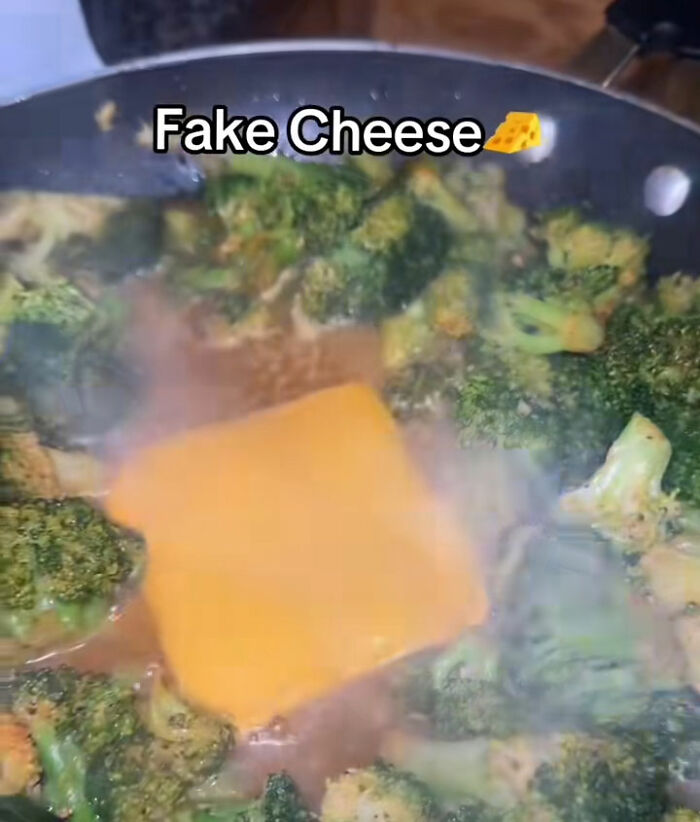

For decades, companies in the food and beverage sector have managed to add new ingredients without review by the FDA (Food and Drug Administration) by claiming they ar “generally recognized as safe” or GRAS.
The system was originally meant for familiar ingredients such as flour and baking soda, but food safety critics say companies have increasingly used it for newer additives, including thickeners, extracts, and flavorings, with little evidence to prove that they are safe for consumption.
Critics say the current system has allowed at least 1,000 substances into the food supply with little evidence of formal FDA scrutiny.

Now, the government is pushing to make that process harder and have proposed a new rule, under which companies would have to notify the government when they decide an ingredient qualifies as GRAS.
This would close what food safety experts have long criticized as a major loophole.
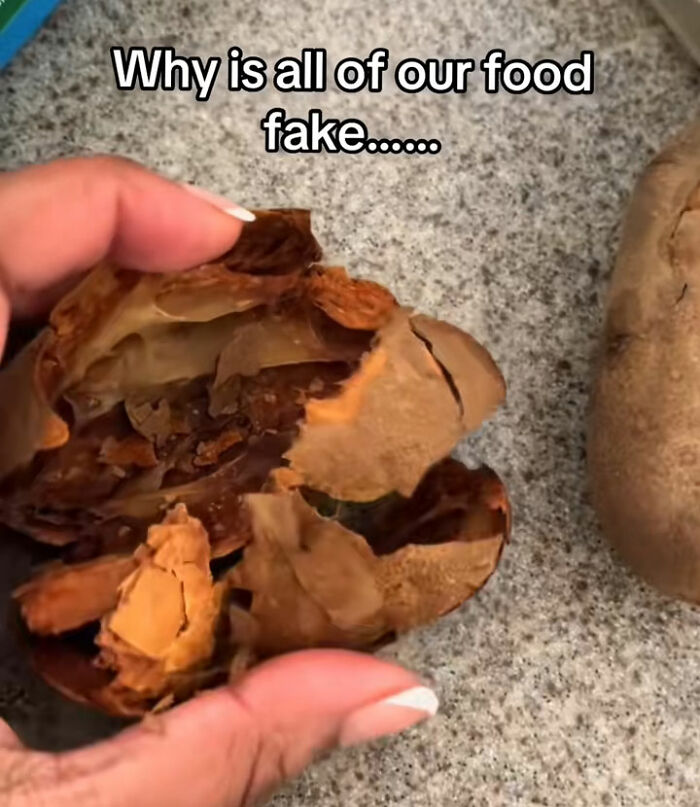

“We don’t even know exactly how many chemicals are in the food that Americans eat every day, and the food industry continues to develop novel compounds and chemical combinations that do not exist in nature,” Health Secretary Robert F. Kennedy Jr. said at an event earlier this month.
“Our bodies did not evolve consuming many of these substances, and that makes rigorous science and transparent safety review even more important,” he added.
Food companies have long been able to add some ingredients without FDA review under the GRAS system
Certified nutrition coach Rena Awada acknowledged that manufacturers use starches, oils, gums, emulsifiers, flavorings, colors, and preservatives for various reasons. But this might not always be a bad thing, she said.
For instance, she said canned beans and frozen veggies might fall under the processed category but wouldn’t be unhealthy.
There are also some products that are meant to imitate a real food item without being unsafe. For example, imitation crab is made to resemble and taste like crab by using processed and flavored white fish.
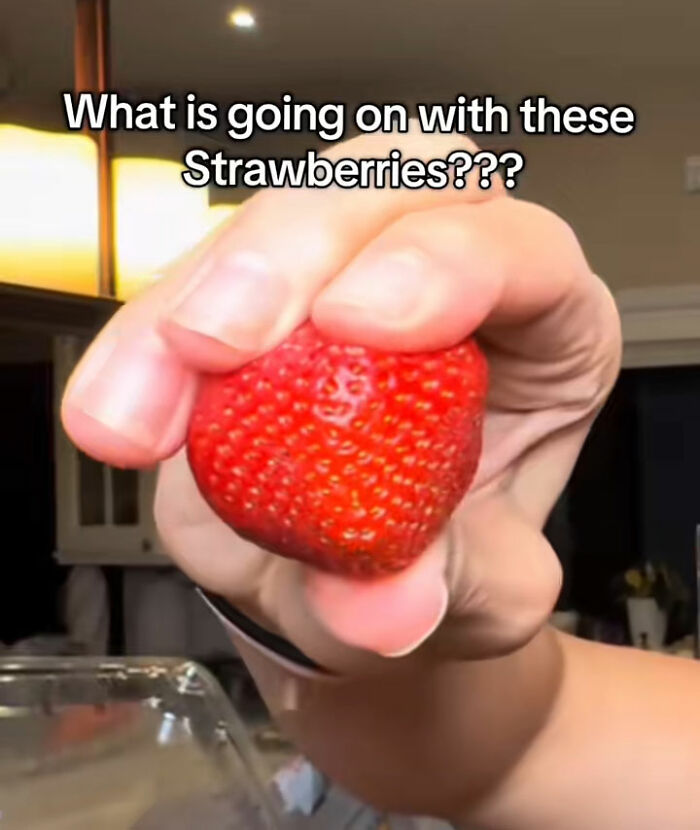
The concern comes when processing is used to load foods with high amounts of added sugar, sodium, saturated fat or other ingredients while stripping away their nutritional value.
Health-related concerns are amplified because many ultra-processed foods are designed to be especially convenient and tasty, making it easy to overeat.
Awada recommended reading the food label before consuming the product.
Jill Darminio, a registered dietitian and System Clinical Nutrition Manager, also advised consumers to focus on consuming a balanced meal. Darminio also said it’s important to pay attention to portions and the frequency of consuming ultra-procesed foods.
“Ultra-processed foods are safe to include in a diet and do not need to be eliminated,” the dietician told the outlet.
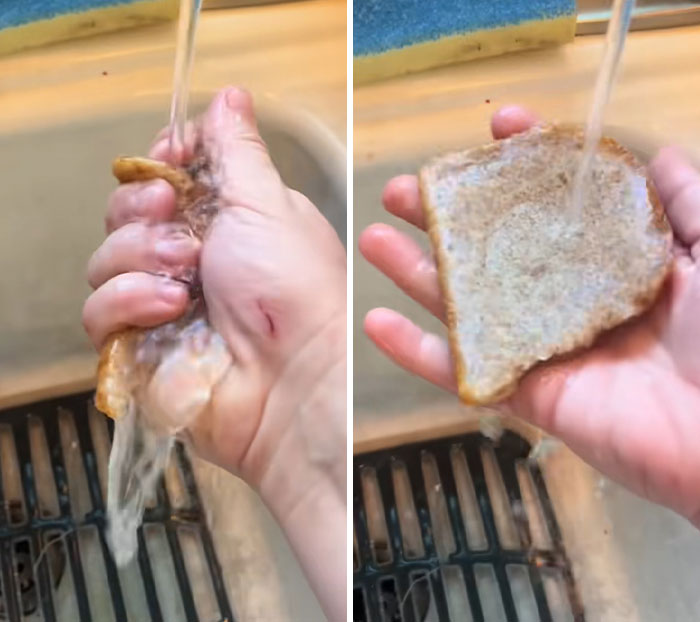
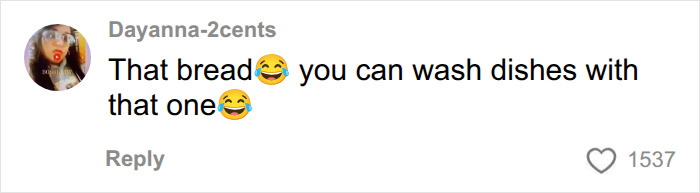
“That bread,” one commented on the video, “you can wash dishes with that one”






Total votes ·
Thanks! Check out the results:
Total votes ·
Subscribe to Access
Exclusive Polls

Thank you! You’ve successfully subscribed to newsletters!
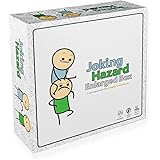
Joking Hazard Enlarged Box Empty Box for Card Storage
$12.00 (as of October 14, 2026 00:59 GMT +00:00 - More infoProduct prices and availability are accurate as of the date/time indicated and are subject to change. Any price and availability information displayed on [relevant Amazon Site(s), as applicable] at the time of purchase will apply to the purchase of this product.)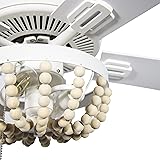
RIVER OF GOODS Coastal 52 Inch Wooden Bead LED Ceiling Fan, Cream
(as of October 14, 2026 00:59 GMT +00:00 - More infoProduct prices and availability are accurate as of the date/time indicated and are subject to change. Any price and availability information displayed on [relevant Amazon Site(s), as applicable] at the time of purchase will apply to the purchase of this product.)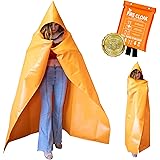
Fire Cloak - 1500F CE Certified Emergency Fire Blanket for Home & Kitchen | 500GSM Fabric & 0.5mm Thick - Silicon Coated 100% Fiberglass Essentials in House, Warehouse Office - 55"L x 70"W by Supa Ant
$83.99 (as of October 14, 2026 00:59 GMT +00:00 - More infoProduct prices and availability are accurate as of the date/time indicated and are subject to change. Any price and availability information displayed on [relevant Amazon Site(s), as applicable] at the time of purchase will apply to the purchase of this product.)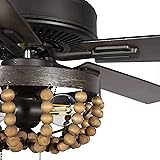
RIVER OF GOODS Coastal 52 Inch Wooden Bead LED Ceiling Fan, Brown
(as of October 14, 2026 00:59 GMT +00:00 - More infoProduct prices and availability are accurate as of the date/time indicated and are subject to change. Any price and availability information displayed on [relevant Amazon Site(s), as applicable] at the time of purchase will apply to the purchase of this product.)