The Chilling Dream Shared by Millions – Unlocking the Dark Secret Behind Its Haunting Message
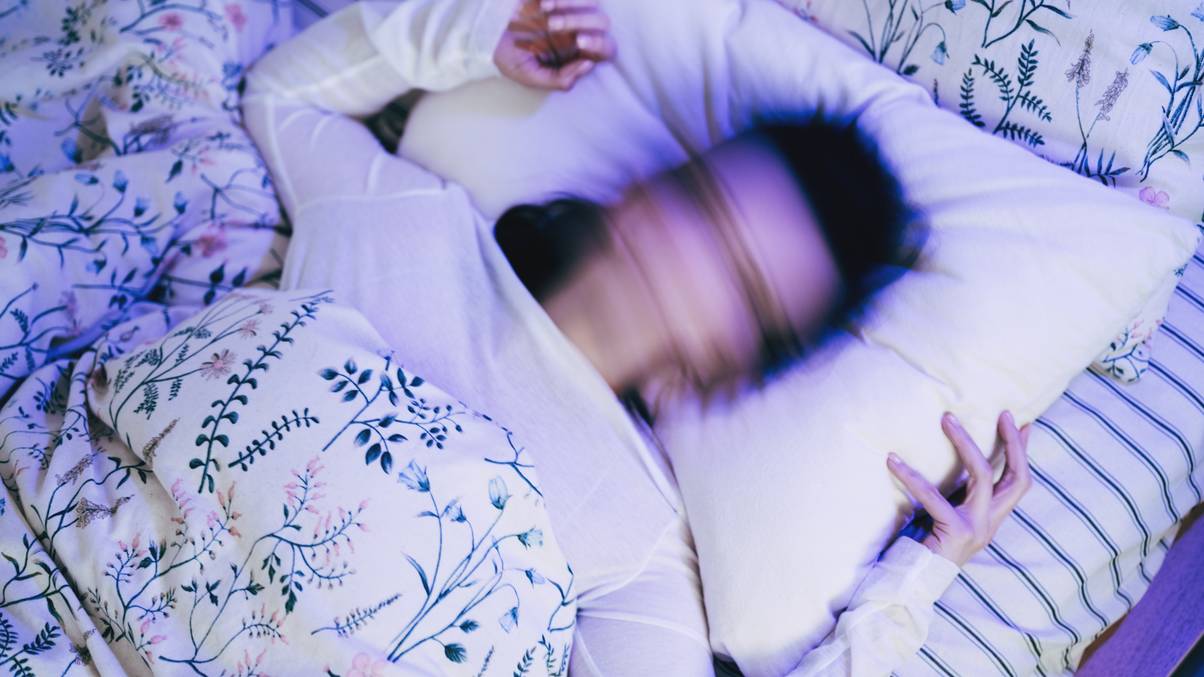
Ever had that spine-tingling moment where you’re dozing off, then bam! You’re wide awake, totally aware—but your body’s gone on an unannounced vacation, refusing to move or shout for help? Welcome to the bizarre club of sleep paralysis survivors. It’s like your mind’s hosting a horror show, complete with shadowy figures and a heavy, invisible weight pinning you down, while your body plays hard to get. Sounds like a prank from your own brain, right? But here’s the twist: this unsettling “awake dream” might be more common than you think—affecting one in five people around the globe. So what exactly is happening when you’re stuck in this eerie limbo between sleep and wakefulness? And why does your brain throw in those creepy “ghost on the chest” stories? Buckle up, because this strange phenomenon is as fascinating as it is frightening. LEARN MORE.
If you’ve ever been nodding off to sleep and suddenly felt completely awake but unable to move or speak as terror sweeps through your body and you get the unsettling feeling that there’s someone – or something – in the room with you, then you’re likely one of the millions of people who have experienced sleep paralysis.
Unlike a normal dream, during sleep paralysis you’ll typically feel awake and aware and you may feel as though someone is in the room with you or that there’s something pushing down on you.
And if all that isn’t scary enough, you won’t be able to move or cry out for help.
Although episodes usually only last for up to a few minutes, it can feel a lot longer for sufferers.
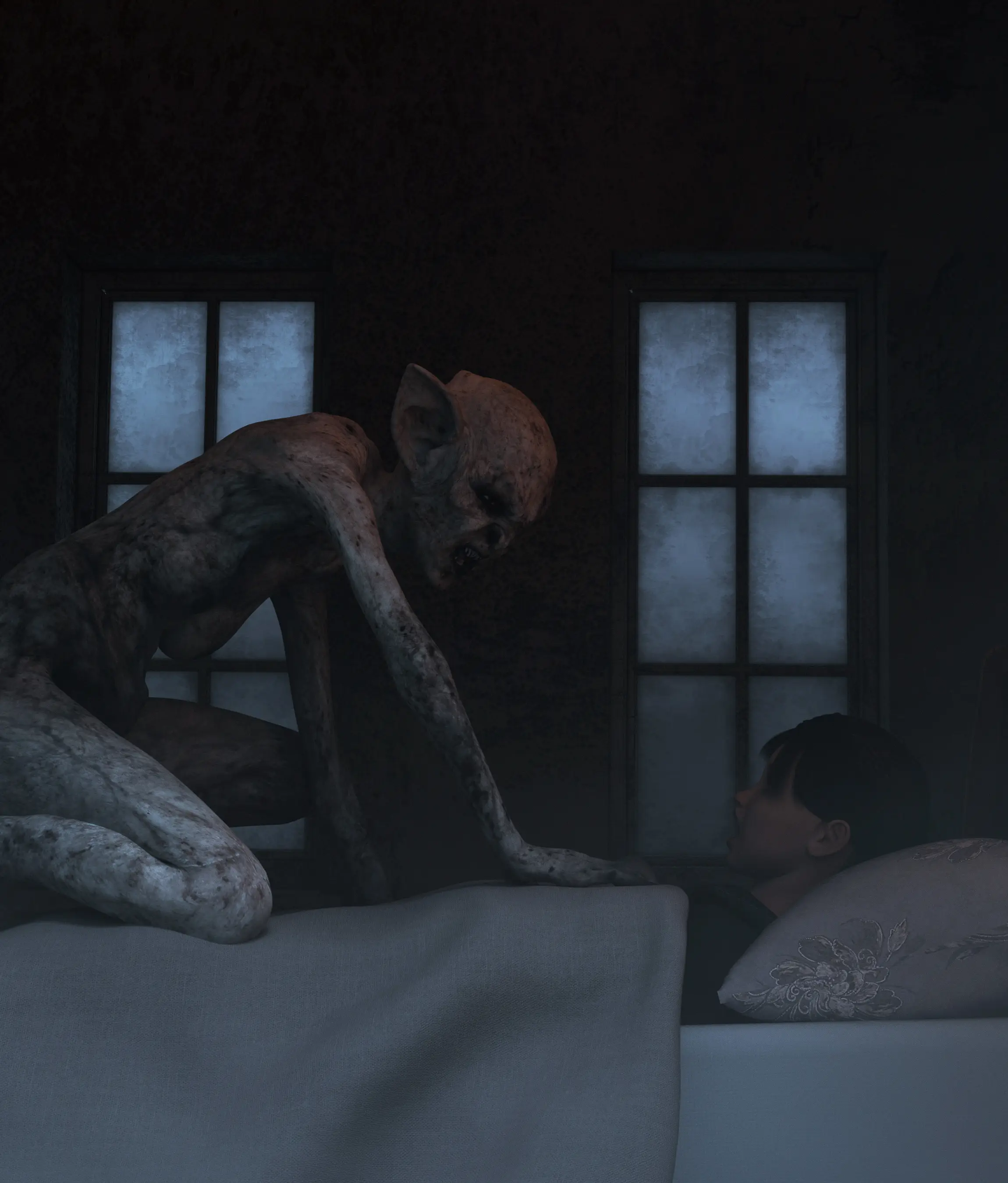
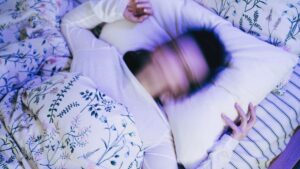
People often report the same sort of dreams during sleep paralysis (Getty stock image)
According to Dr Baland Jalal, a neuroscientist at Harvard, as many as one in five people have experienced the same nightmares at least once, meaning there could be more than a billion sufferers across the globe.
Interestingly, many people even recall seeing the same sort of things during sleep paralysis, with shadowy figures, such as the Hat Man, and menacing presences commonly seen or felt during the episodes.
Others report seeing themselves, sometimes looking down over themselves.
Here’s what’s going on when sleep paralysis hits
In an article for the Daily Mail, Dr Jalal explained that when we go to sleep we initially fall into a light sleep – known as Stages 1 and 2 – where our heart rate and temperature begin to drop. We then drop into Stage 3, known as deep sleep, before moving into rapid-eye-movement (REM) sleep, or Stage 4, where most of our dreams take place.
During Stage 4, our bodies release chemicals that prevent us from moving so we don’t get hurt thrashing around during a dream.
According to Dr Jalal, sleep paralysis occurs as we transition into Stage 4, as we can sometimes wake up ‘while still under the spell of REM paralysis, leaving you stuck, just like a light switch stuck between on and off’.
The doctor said he has spent years researching the phenomenon after experiencing it himself as a child.
Explaining why the episodes can be so terrifying, he writes that in our day-to-day lives our bodies work seamlessly with our brains to create movement. So, if you want to lift your arm, your body will respond by moving your arm, but during a bout of sleep paralysis the body stops acting how you’d expect – you want to move but your body remains still.
“Lacking feedback from the body, your brain tries to fill in the blanks, sometimes creating bizarre sensations like floating, spinning or sinking,” he explained.
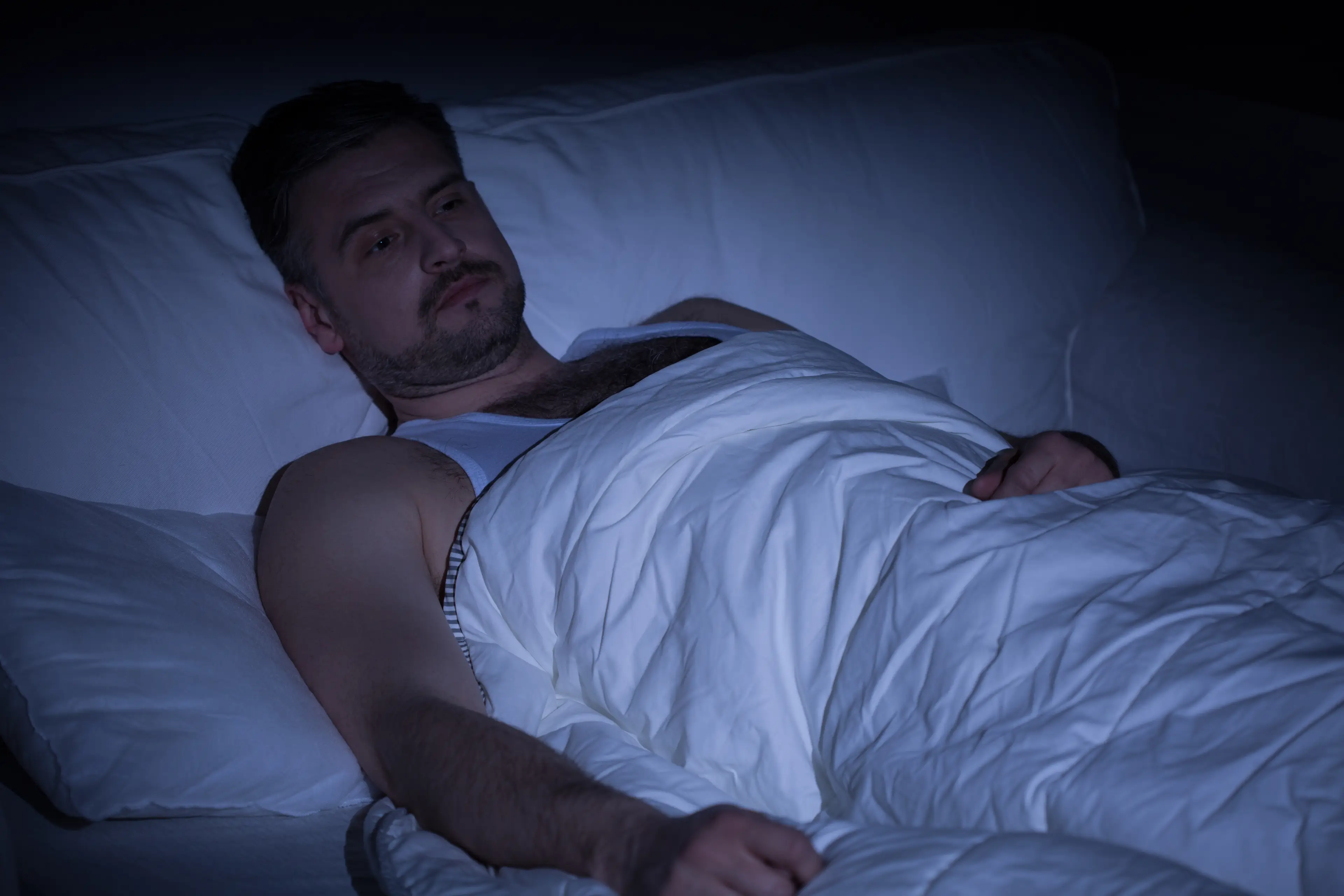
Sufferers feel awake and alert but are unable to move (Getty stock image)
“The brain is a pattern-seeking storyteller. When paralysis, chest pressure and choking sensations occur together – leftovers from REM sleep – it tries to make sense of them.
“‘These can’t be random,’ it reasons, ‘something must be causing this.’ So it fills in the blanks with familiar ideas from memory: ‘A ghost is sitting on my chest, trying to strangle me.’”
What can you do to avoid it?
As for what causes sleep paralysis, that’s not exactly clear.
However, the NHS notes that it has been linked with insomnia; disrupted sleeping patterns from jet lag or shift work; post traumatic stress disorder (PTSD); narcolepsy; anxiety; and a family history of sleep paralysis.
If you are a sufferer, the NHS recommends trying to get a solid seven to nine hours sleep a day, sticking to a routine bedtime and getting regular exercise.
It also warns against eating a big meal, drinking alcohol or smoking just before bed and suggests folks don’t sleep on their backs as this can make it more likely to happen.
1MORE Triple Driver In-Ear Headphones - Silver - Wired - Adult - In Ear - 18 grams - 90 days limited warranty
(as of November 2, 2026 01:04 GMT +00:00 - More infoProduct prices and availability are accurate as of the date/time indicated and are subject to change. Any price and availability information displayed on [relevant Amazon Site(s), as applicable] at the time of purchase will apply to the purchase of this product.)
1MORE Triple Driver in-Ear Earphones Hi-Res Headphones with High Resolution, Bass Driven Sound, MEMS Mic, in-Line Remote, High Fidelity for Smartphones/PC/Tablet - Silver
$69.99 (as of November 2, 2026 01:04 GMT +00:00 - More infoProduct prices and availability are accurate as of the date/time indicated and are subject to change. Any price and availability information displayed on [relevant Amazon Site(s), as applicable] at the time of purchase will apply to the purchase of this product.)
Rhythm Superfoods Kale Chips, Zesty Nacho, Organic and Non-GMO, 2.0 Oz (Pack of 4), Vegan/Gluten-Free Superfood Snacks
(as of November 2, 2026 01:04 GMT +00:00 - More infoProduct prices and availability are accurate as of the date/time indicated and are subject to change. Any price and availability information displayed on [relevant Amazon Site(s), as applicable] at the time of purchase will apply to the purchase of this product.)
Skater Trainer Wheels - Beginners get Skateboard Tricks Fast, Safe and Fun | Viral accessory gift - Helps beginners stay excited about their new skateboard - Kids & parents love these
$28.99 (as of November 2, 2026 01:04 GMT +00:00 - More infoProduct prices and availability are accurate as of the date/time indicated and are subject to change. Any price and availability information displayed on [relevant Amazon Site(s), as applicable] at the time of purchase will apply to the purchase of this product.)
















Post Comment