The Secret Moments Behind Nicolae Ceaușescu’s Shocking Last Hours Before Execution
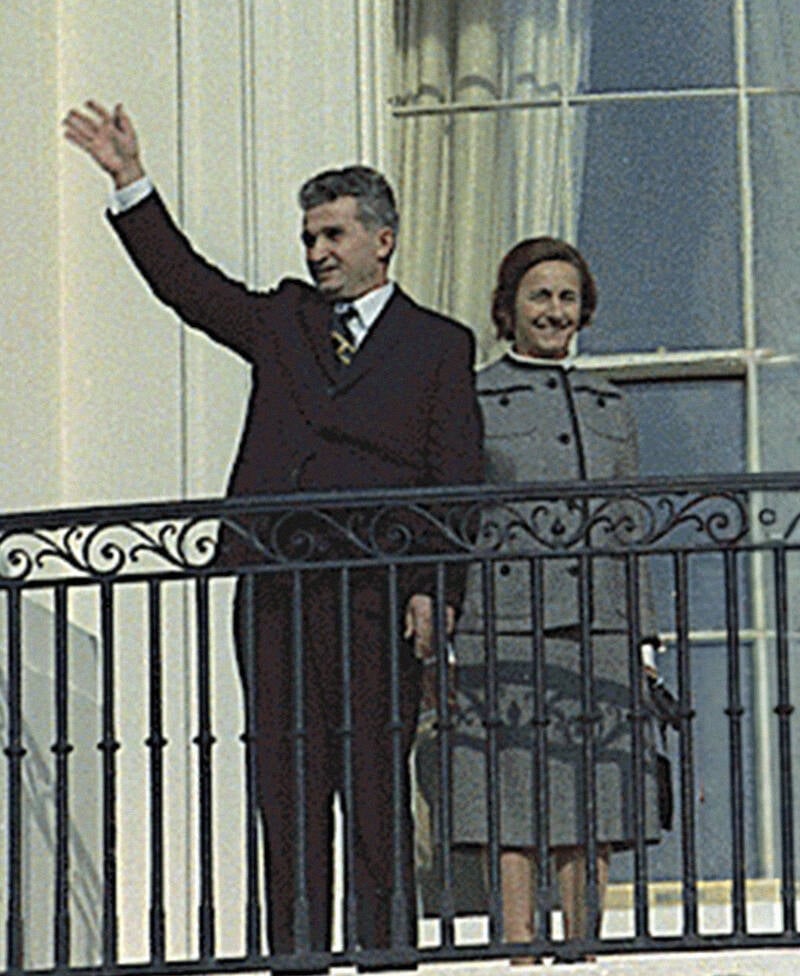
With no emergency plan, guards flagged down a passing car. The driver, a man named Dr. Nicolae Deca, was threatened into taking the group aboard. But as they drove, tensions rose — and by the time Deca reached the village of Văcărești, he informed the group that there was a problem with his car and that they had to get out. Much like the story of the helicopter’s landing, it’s uncertain whether Deca was telling the truth.
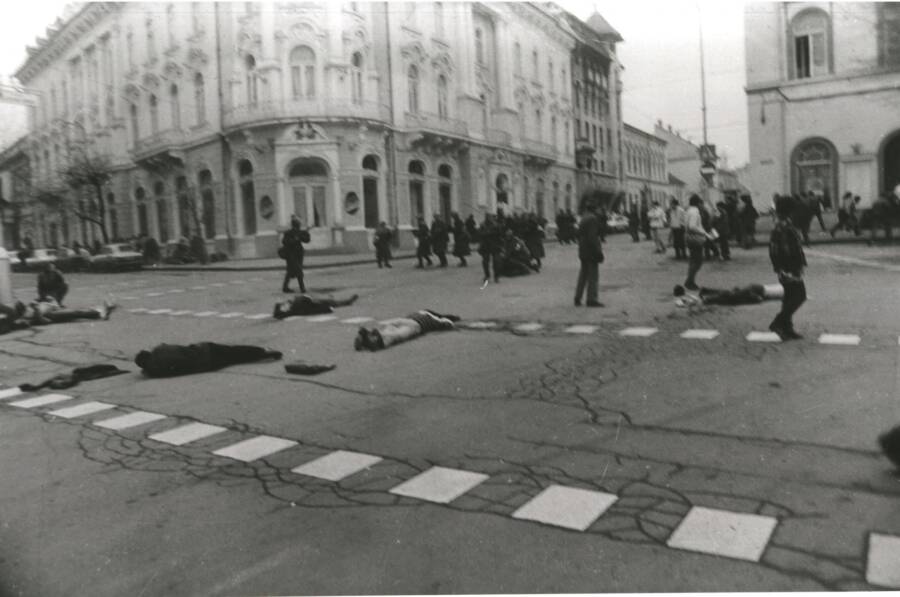
Răzvan Rotta/Wikimedia CommonsAs Nicolae Ceauşescu fled, violent revolts continued across Romania.
After exiting the car, the group began searching for another driver. They landed upon Nicolae Petrișor, who had reportedly been washing his black Dacia when guards approached him with guns drawn. Sensing he had no option but to take them, Petrișor said goodbye to his wife and got into the car alongside the leader.
While the group pressed onward, Petrișor listened to the radio. Stations were now declaring that Nicolae Ceauşescu’s government had fallen and that a revolution was underway. The truth of this statement would become increasingly apparent to Petrișor as they drove. According to the Romanian outlet Libertatea, when the car made a stop at the Special Steels Factory in Târgoviște, the vehicle was denied entry and purportedly hit with stones by those who recognized its passengers.
Eventually, Petrișor was able to park his car at the Plant Protection Center, an agricultural facility on the outskirts of Târgoviște. The center’s director, Victor Seinescu, received the group and placed them in a room — then reportedly locked the door and promptly passed information of their whereabouts on to the authorities.
Soon, a militia arrived and apprehended both Elena and Nicolae Ceauşescu.
The Trial And Execution Of Romania’s Dictator
Sensing that Nicolae Ceaușescu’s power had dissolved, but still unsure what to do, local police officers held the dictator and his wife for two days. Ceaușescu insisted that his authority was still genuine, but radio reports claimed that the revolutionaries had emerged victorious and that the army was now siding with the demonstrators.
The Ceaușescus soon realized the extent of the revolution’s success. Some personnel had removed official insignia from their uniforms, and reports trickled in about government offices across the country being abandoned. However, the Romanian Revolution had not been peaceful. It is estimated that over 1,100 people across the country died during the revolt.
While Nicolae Ceaușescu had been effectively out of power for much of this violence, the blame for it — and the brutality of his 24-year reign — would be laid on his shoulders. It was decided that Ceaușescu and his wife would stand trial in a small, improvised courtroom within the military unit in which they had been imprisoned. The trial was set for Christmas Day.
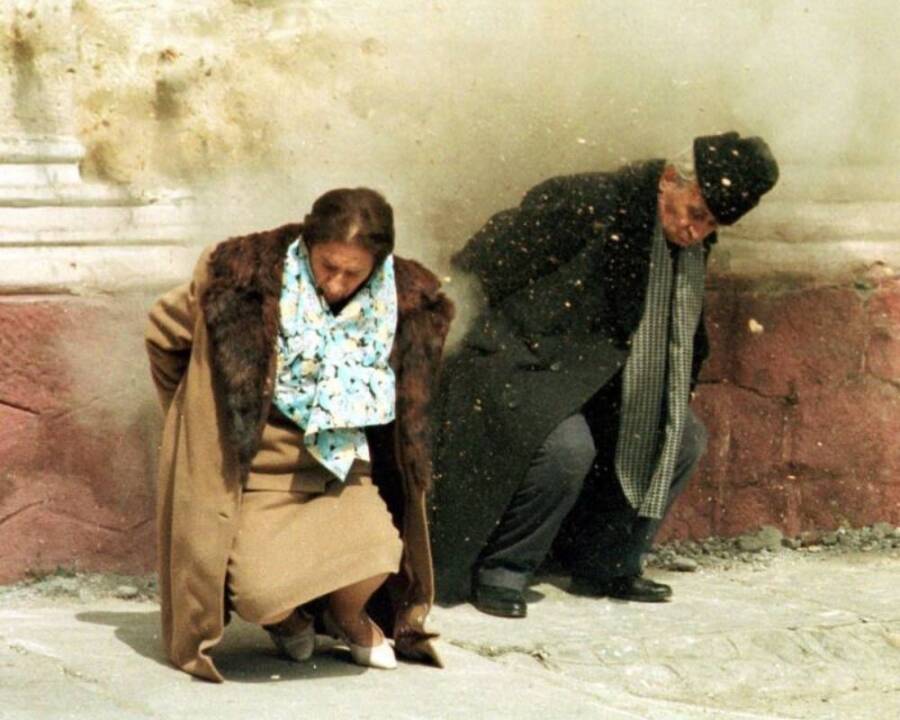
ZUMA Press, Inc. / Alamy Stock PhotoNicolae Ceauşescu and his wife, Elena, reportedly requested to die together.
It’s widely agreed by historians that the trial was largely for show and that prosecutors treated Nicolae Ceaușescu’s conviction as a foregone conclusion. No conventional investigation was presented, no witnesses were called, and the trial that was supposedly meant to serve as an exploration of all of the crimes committed under Ceaușescu’s rule reportedly lasted barely an hour.
In the end, the tribunal sentenced both Nicolae and Elena Ceauşescu to death. The couple was then taken into the courtyard of the military unit, where Nicolae started to sing the socialist anthem “The Internationale” while his wife hurled insults at the officers present. Both of them were quickly shot by a firing squad.
More than three decades later, many questions about the Romanian Revolution remain unanswered. But no matter how his final days went down, the unbelievable details surrounding Ceaușescu’s fall show just how impermanent seemingly totalitarian power can be.
After reading about the death of Nicolae Ceauşescu and the fall of Communism in Romania, go inside the execution of Italian dictator Benito Mussolini. Then, learn about Adolf Hitler’s suicide in his Führerbunker at the end of World War II.

RIVER OF GOODS Coastal 52 Inch Wooden Bead LED Ceiling Fan, Brown
(as of October 25, 2026 01:02 GMT +00:00 - More infoProduct prices and availability are accurate as of the date/time indicated and are subject to change. Any price and availability information displayed on [relevant Amazon Site(s), as applicable] at the time of purchase will apply to the purchase of this product.)
Fire Cloak - 1500F CE Certified Emergency Fire Blanket for Home & Kitchen | 500GSM Fabric & 0.5mm Thick - Silicon Coated 100% Fiberglass Essentials in House, Warehouse Office - 55"L x 70"W by Supa Ant
$83.99 (as of October 25, 2026 01:02 GMT +00:00 - More infoProduct prices and availability are accurate as of the date/time indicated and are subject to change. Any price and availability information displayed on [relevant Amazon Site(s), as applicable] at the time of purchase will apply to the purchase of this product.)
RIVER OF GOODS Alabaster LED Mesh Caged Ceiling Fan - 52" L X 52" W - White/Oak Wood-Grain Blades
(as of October 25, 2026 01:02 GMT +00:00 - More infoProduct prices and availability are accurate as of the date/time indicated and are subject to change. Any price and availability information displayed on [relevant Amazon Site(s), as applicable] at the time of purchase will apply to the purchase of this product.)
KiddyCare Diaper Caddy Organizer Cart for Nursery Baby Basket Gift for Boy/Girl | Diaper Caddy for Changing Table Basket Organizer with Dividers | Caddy for Baby Stuff Breast Pump Caddy - Regular
$9.99 (as of October 25, 2026 01:02 GMT +00:00 - More infoProduct prices and availability are accurate as of the date/time indicated and are subject to change. Any price and availability information displayed on [relevant Amazon Site(s), as applicable] at the time of purchase will apply to the purchase of this product.)