The Shocking Reason Lizzie Borden Walked Free Despite Overwhelming Evidence
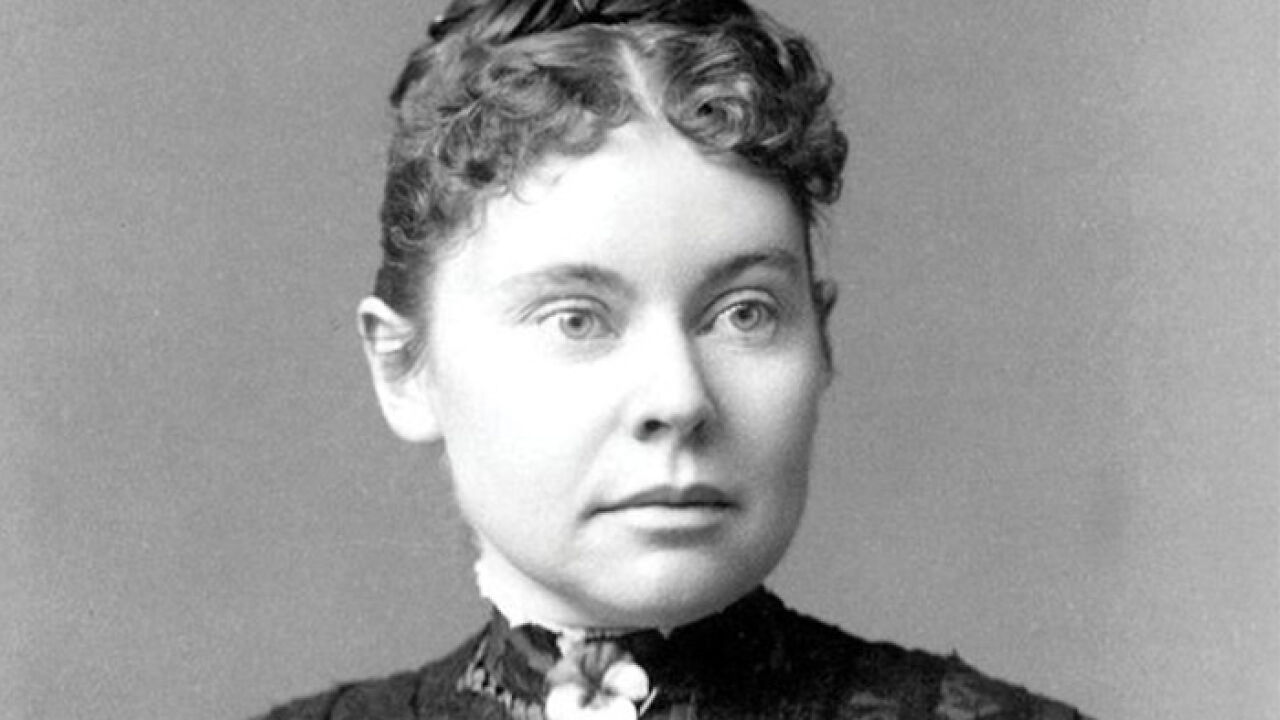
That distinction mattered enormously.
The prosecution could point to suspicious behavior, inconsistencies, and circumstances surrounding Lizzie, but proving that she committed two brutal murders beyond a reasonable doubt was a different challenge.
Lizzie’s lawyers used her image to win over the jury
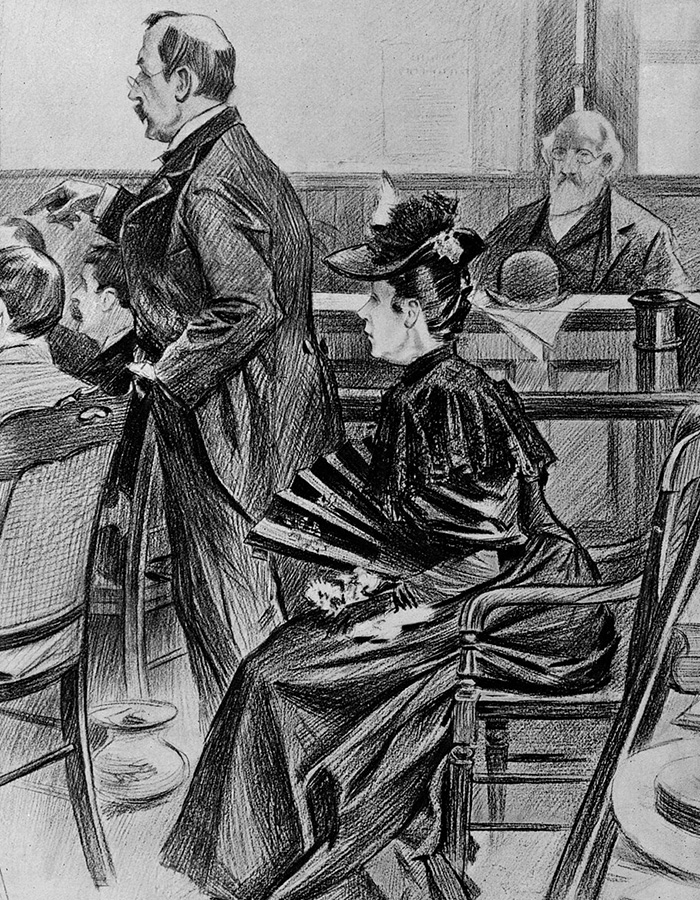
Lizzie was a wealthy, respectable Victorian woman accused of an extremely violent crime.
Her lawyers emphasized her femininity and character, presenting her as someone who did not fit the image of a brutal k*ller.
Her lawyer, former Massachusetts Governor George D. Robinson, reportedly advised her on how she should appear in court.
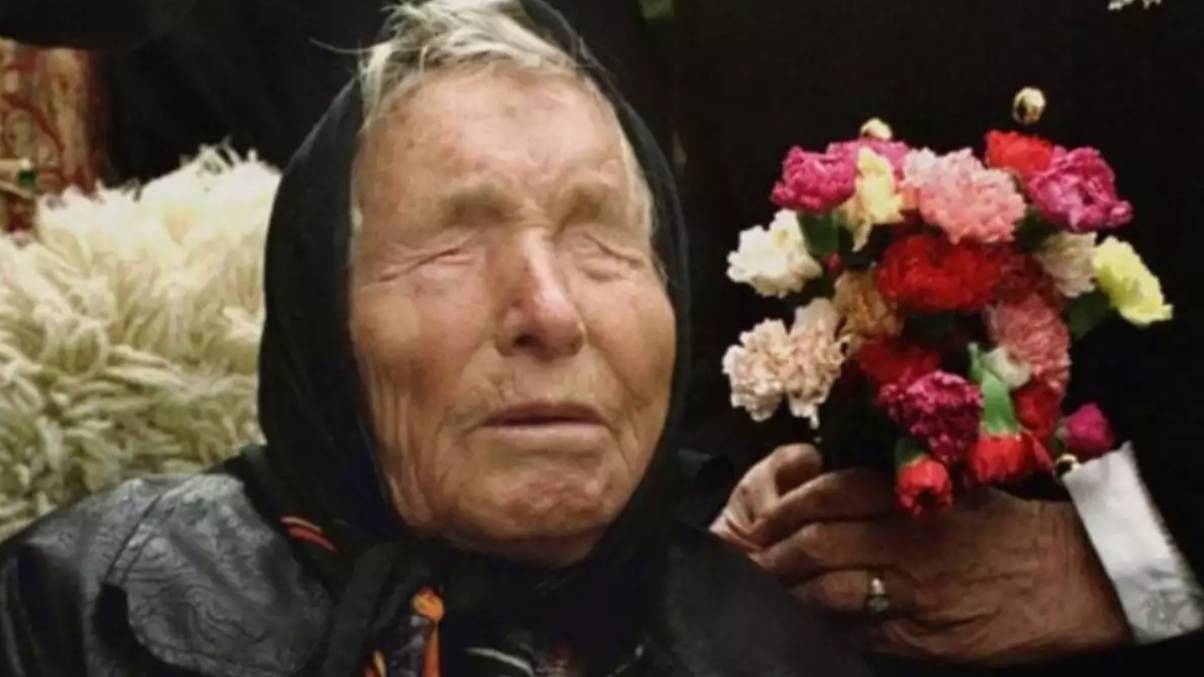
Lizzie dressed in black and sometimes carried flowers. Her femininity became an important part of the defense’s presentation.
The defense also brought people close to Lizzie to testify on her behalf.
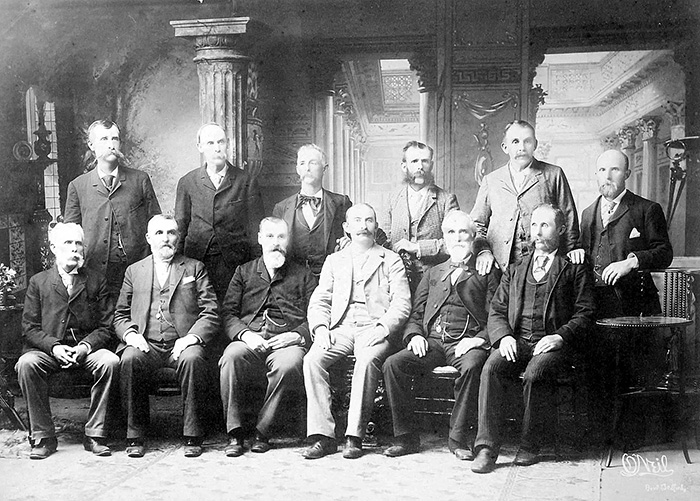
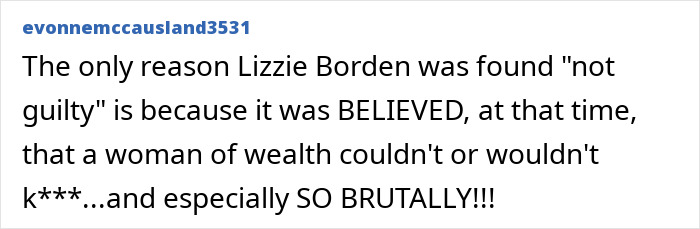
Lizzie herself did not take the stand during the m*rder trial. She made only one statement proclaiming her innocence.
The prosecution therefore had to convince the jury with the remaining evidence, while the defense could focus on the lack of direct proof.
Netflix’s own examination of the case notes that Lizzie’s acquittal has remained controversial because the available evidence has continued to make her a suspect. At the same time, alternative suspects have also been suggested over the years.
At the end of the 13-day trial, the judge and the jury ultimately gave Lizzie the benefit of the doubt
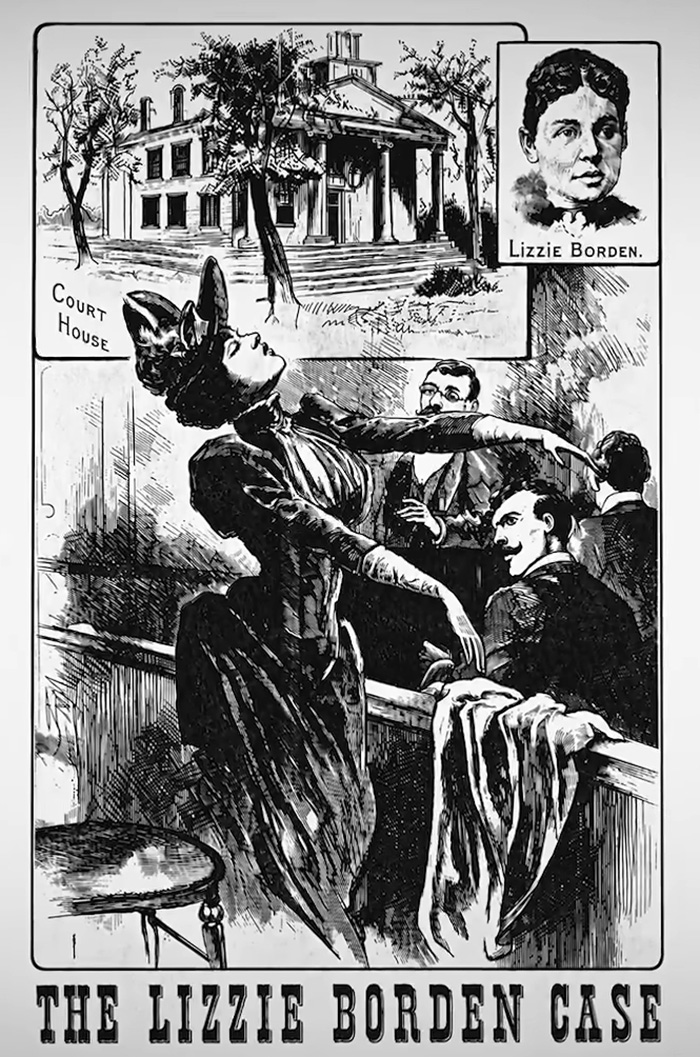
At the end of the 13-day trial in June 1893, Justice Justin Dewey summarized the case for the jury.
His comments were controversial because he appeared to favor Lizzie’s innocence while discussing her character and involvement in her church. He also questioned some of the state’s expert witnesses.
The jury then needed only about one hour to reach its decision.
Lizzie Borden was found not guilty of m*rdering either Andrew or Abby.
That did not mean the jury had established who k*lled the Bordens.
It meant the prosecution had failed to prove Lizzie’s guilt to the standard required for a conviction.
And that was the key reason Lizzie walked out of court as a free woman. The case against her looked suspicious, but the evidence that could be presented at trial was not enough to convict her.
Lizzie was never convicted, and the mystery remained unresolved
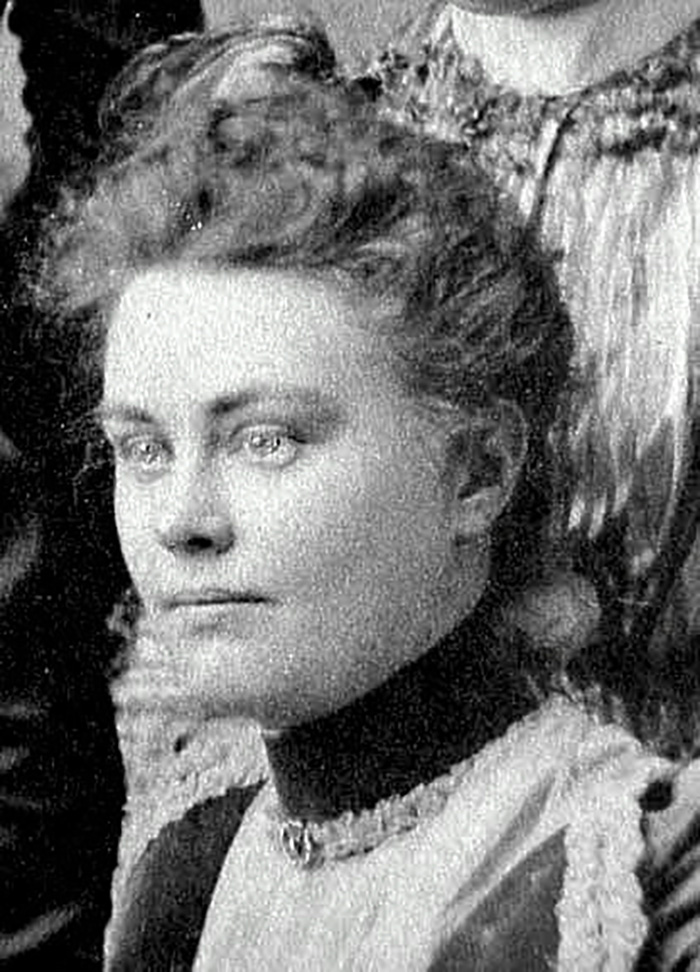
Lizzie had spent about 10 months behind bars during the investigation and trial, but after her acquittal she returned to Fall River without a m*rder conviction.
The verdict did not dispel the suspicion.
She became increasingly isolated from society, later changed her name to Lizbeth, and moved with her sister Emma into a large home in Fall River.
The murders continued to follow her through the rest of her life.
More than 130 years later, nobody has been officially convicted of ki*ling Andrew and Abby Borden.
That uncertainty is also what gave Netflix’sMonster: The Lizzie Borden Story its central mystery.
The series is a fictionalized interpretation of a real case, and Netflix notes that it changes the historical record.
Ella Beatty, who plays Lizzie, has described the real case as highly disputed.
“It’s a very disputed case. A lot of people have a lot of really different points of view on what could have happened — and even have different points of view about Lizzie herself.”
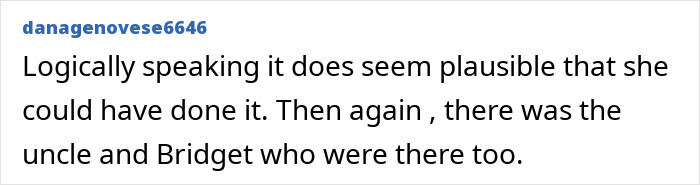
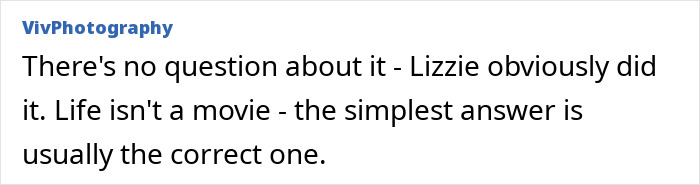
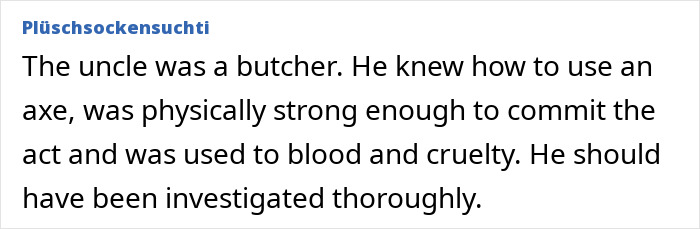
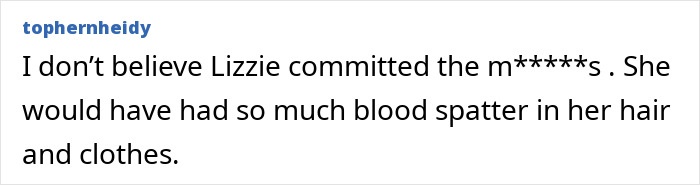
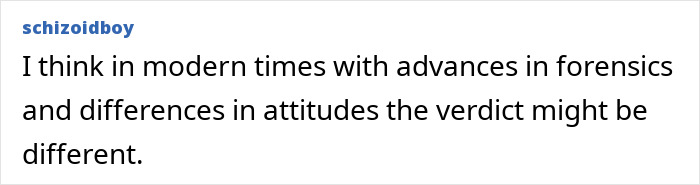
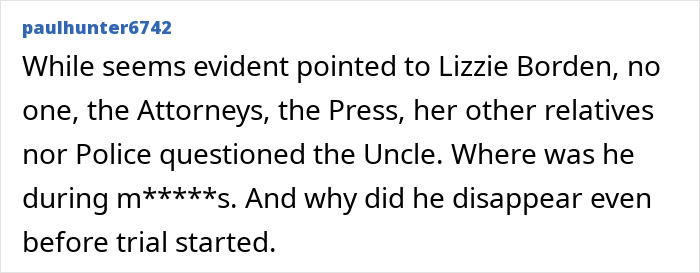
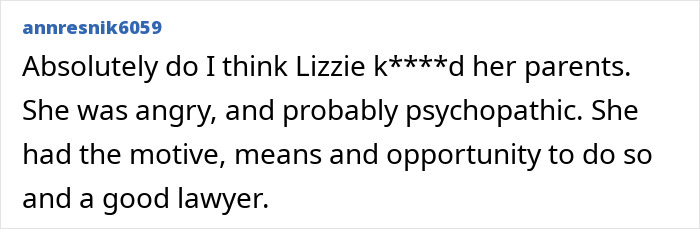
“Stop slandering her, she was found not guilty,” wrote one user





Total votes ·
Thanks! Check out the results:
Total votes ·
Subscribe to Access
Exclusive Polls

Thank you! You’ve successfully subscribed to newsletters!
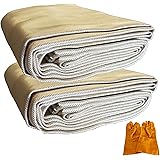
Supa Ant 6x8ft. Welding Blanket Fireproof (Pack of 2) - Heavy Duty Weld Fire Blanket Tools - Welders Cover for Men Curtain with Gloves - Large Welding Gear for Welder Accessories
(as of October 15, 2026 00:59 GMT +00:00 - More infoProduct prices and availability are accurate as of the date/time indicated and are subject to change. Any price and availability information displayed on [relevant Amazon Site(s), as applicable] at the time of purchase will apply to the purchase of this product.)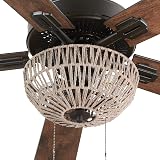
RIVER OF GOODS LED Boho Ceiling Fan with Hand Woven Brown/Natural Rope - Macrame Knot Work and Hemp Rope Style Eclectic Cottage Decor - 52" L x 52" W - Rich Barnwood/Light Driftwood Fan Blades
(as of October 15, 2026 00:59 GMT +00:00 - More infoProduct prices and availability are accurate as of the date/time indicated and are subject to change. Any price and availability information displayed on [relevant Amazon Site(s), as applicable] at the time of purchase will apply to the purchase of this product.)
RIVER OF GOODS Alabaster LED Mesh Caged Ceiling Fan - 52" L X 52" W - White/Oak Wood-Grain Blades
(as of October 15, 2026 00:59 GMT +00:00 - More infoProduct prices and availability are accurate as of the date/time indicated and are subject to change. Any price and availability information displayed on [relevant Amazon Site(s), as applicable] at the time of purchase will apply to the purchase of this product.)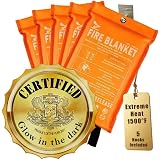
Fire Blanket - 1500F CE Certified Emergency Fire Blanket for Home & Kitchen | 500GSM Fabric & 0.5mm Thick - 100% Fiberglass Fire Extinguisher for Car,Warehouse Office - 5pc (40"x40") by Supa Ant
$92.95 (as of October 15, 2026 00:59 GMT +00:00 - More infoProduct prices and availability are accurate as of the date/time indicated and are subject to change. Any price and availability information displayed on [relevant Amazon Site(s), as applicable] at the time of purchase will apply to the purchase of this product.)

















Post Comment