The Truth About Sleep: Why Your Body Might Be Starving for More Than 8 Hours—New Study Reveals Shocking Findings
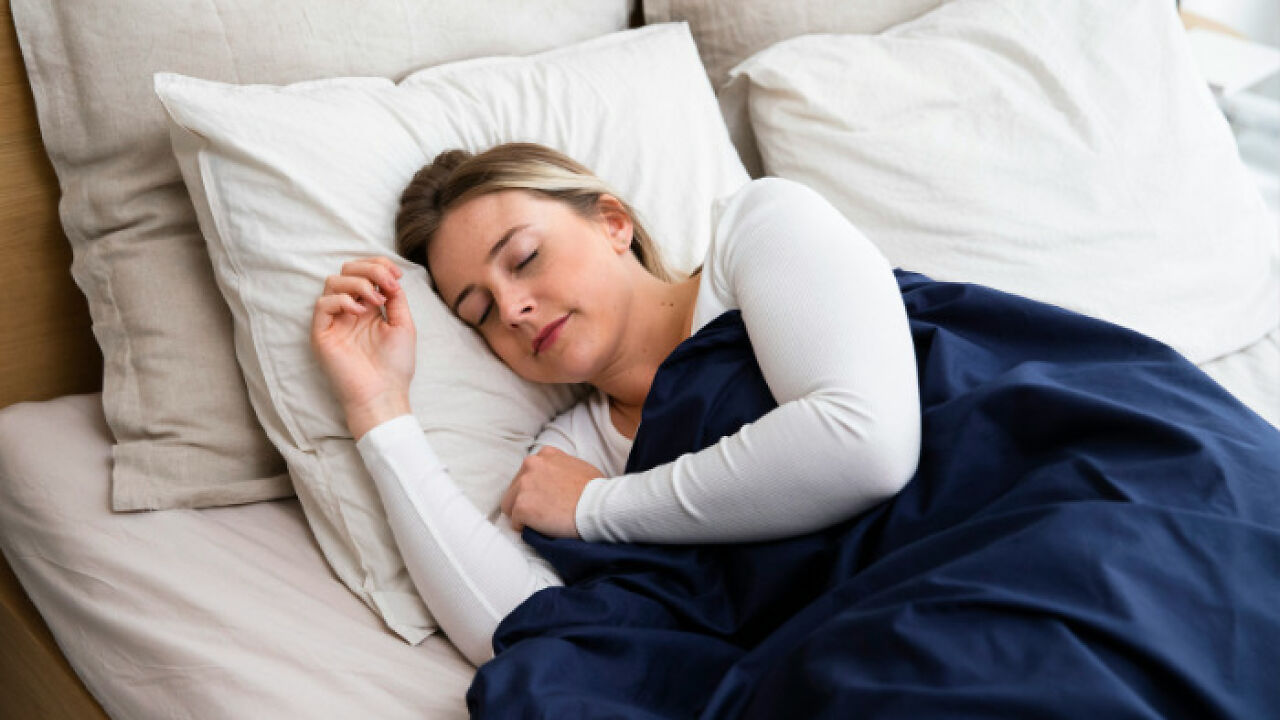
Researchers analyzed data from 770 healthy young adults and looked at their sleep habits, brain scans, memory performance, and other biological, psychological, and social factors. They identified five distinct sleep-related profiles.
The study’s lead researcher, Aurore Perrault of Concordia University in Canada, explained, “Sleep is made up of many dimensions, not just how long we sleep.”
The researchers found that different sleep patterns were connected with different health and behavioral characteristics.
People who regularly slept less than six to seven hours showed an association with problems involving emotional processing and aggressive behavior.
Frequent nighttime awakenings were linked with issues involving memory, language processing, anxiety, and other behaviors.
Another group experienced poor sleep overall, including difficulty falling asleep, disrupted rest, and daytime tiredness. Those patterns were associated with depression, anxiety, anger, and stress.
The researchers therefore viewed sleep as a broader experience rather than treating duration as the only important measure.
A separate large study also found that sleep health involves much more than duration
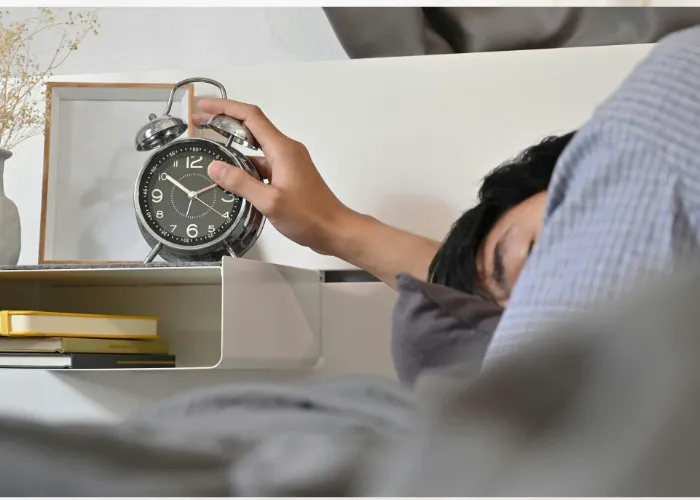
Published in Health Data Science in 2025, the study examined objectively measured sleep data from 88,461 UK Biobank participants over an average follow-up period of about 6.8 years.
Researchers found associations between different sleep traits and 172 diseases.
The researchers examined factors including sleep duration, when people fall asleep, sleep rhythm, sleep efficiency, and nighttime awakenings.
For 42 diseases, the researchers found associations with at least double the risk, while 92 diseases had more than 20% of their attributable risk linked to sleep traits.
The researchers also found that sleep rhythm contributed to many associations that looking at sleep duration alone would not have captured.
Senior author Prof. Shengfeng Wang said, “Our findings underscore the overlooked importance of sleep regularity. It’s time we broaden our definition of good sleep beyond just duration.”
However, the researchers acknowledged important limitations.
The participants were mainly middle-aged or older adults, sleep was measured during a limited period, and the study could not establish that irregular sleep directly caused the diseases.
The biggest takeaway is not that people should suddenly stop aiming for eight hours

The research suggests that eight hours should not be treated as a rigid rule that applies the same way to every adult.
Some people may feel refreshed after around seven hours, while others may genuinely need closer to nine.
What matters is whether the amount and pattern of sleep leave you rested and functioning well.
Newer research also points to other questions worth considering: Are you going to bed and waking at consistent times? Are you waking repeatedly during the night? Are you constantly tired during the day despite spending enough time in bed?
While eight hours may still be exactly right for you, it is not necessarily the only healthy number.
The old rule may have been too simple for something as individual and complicated as sleep.
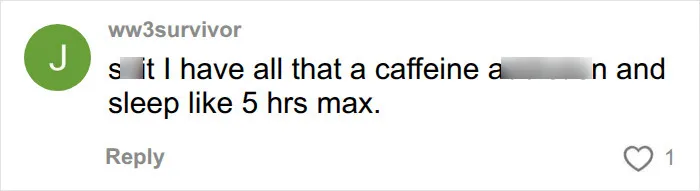
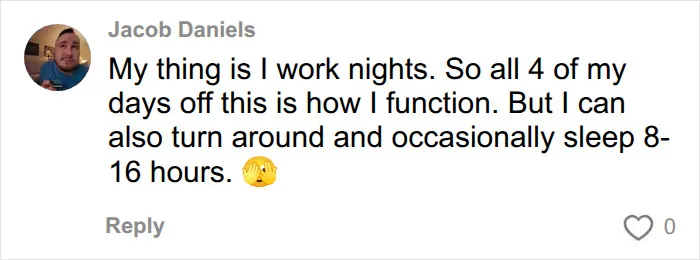
“8 hours? I wish”, one comment reads








Supa Ant 6x8ft. Welding Blanket Fireproof (Pack of 2) - Heavy Duty Weld Fire Blanket Tools - Welders Cover for Men Curtain with Gloves - Large Welding Gear for Welder Accessories
(as of September 21, 2026 00:45 GMT +00:00 - More infoProduct prices and availability are accurate as of the date/time indicated and are subject to change. Any price and availability information displayed on [relevant Amazon Site(s), as applicable] at the time of purchase will apply to the purchase of this product.)
1MORE Triple Driver in-Ear Earphones Hi-Res Headphones with High Resolution, Bass Driven Sound, MEMS Mic, in-Line Remote, High Fidelity for Smartphones/PC/Tablet - Silver
$69.99 (as of September 21, 2026 00:45 GMT +00:00 - More infoProduct prices and availability are accurate as of the date/time indicated and are subject to change. Any price and availability information displayed on [relevant Amazon Site(s), as applicable] at the time of purchase will apply to the purchase of this product.)
White Leaf Baby Food Pouches, Toddler Snack, Mango + Carrot + Banana + Pear | 24 Pack, Organic No Added Sugar, Non-GMO, BPA-Free Regeneratively Farmed, Squeeze Puree Smoothie Pouch for Adults & Children
$69.95 (as of September 21, 2026 00:45 GMT +00:00 - More infoProduct prices and availability are accurate as of the date/time indicated and are subject to change. Any price and availability information displayed on [relevant Amazon Site(s), as applicable] at the time of purchase will apply to the purchase of this product.)
Joking Hazard by Cyanide & Happiness - 360+ Funny & Inappropriate Comic Cards, Hilarious Party Games | Includes Add-Your-Own-Words Cards
$24.95 (as of September 21, 2026 00:45 GMT +00:00 - More infoProduct prices and availability are accurate as of the date/time indicated and are subject to change. Any price and availability information displayed on [relevant Amazon Site(s), as applicable] at the time of purchase will apply to the purchase of this product.)




















Post Comment