The Truth About Sleep: Why Your Body Might Be Starving for More Than 8 Hours—New Study Reveals Shocking Findings

So, we’ve all been fed the classic bedtime line: “You need eight hours of sleep, no excuses.” But what if I told you that number might be just a comfy suggestion, not a gospel truth? It turns out, the quest for the perfect snooze isn’t a one-size-fits-all pajama party. New research has sniffed around the sleeping habits of various societies—yep, real humans, not just your Netflix-binge shadow—and discovered that how much we actually need to catch some quality Z’s is as diverse as our coffee orders. From natural light exposure to our personal biology and even the timing of our sleep, there’s a whole symphony of factors playing into how we rest well. So, instead of chasing that mythical eight-hour unicorn, maybe it’s time we tuned in to what our own bodies are whispering—or yelling—about their sleep needs. Curious yet? Dive into the surprising science behind why sleeping like your neighbor might not be the healthiest plan.
For years, adults have been told that eight hours of sleep is the magic number.
But a new review has challenged the idea that everyone needs exactly that much rest to stay healthy.
Researchers examining sleep patterns across different societies found that humans may naturally sleep for different lengths of time, and that factors such as light exposure, biology, and sleep timing can also affect our rest.
The findings suggest that getting good sleep may be less about chasing one perfect number and more about understanding what your own body needs.
A new study found that eight hours isn’t a universal rule, as other factors also shape sleep
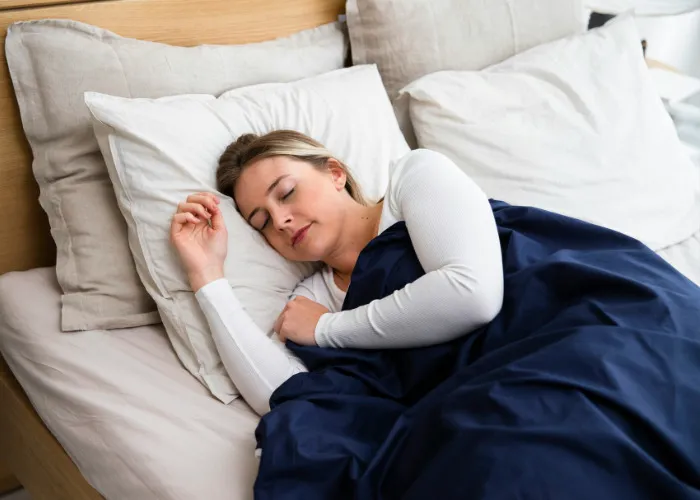
The researchers challenged the idea that modern humans are biologically programmed to sleep for one fixed amount of time every night.
“Human sleep patterns in pre-industrial societies exhibit substantial flexibility, suggesting that contemporary norms of consolidated nocturnal sleep are not evolutionarily fixed,” the authors wrote.
In simple terms, people have not always followed the same eight-hour schedule that is commonly recommended today.

Researchers have studied hunter-gatherer communities because their lifestyles involve far less artificial light than modern life. One study published in Current Biology found that people in communities in Tanzania, Namibia and Bolivia slept between 5.7 and 7.1 hours per night.
Another analysis published by the Royal Society estimated that people in preindustrial societies slept about 6.4 hours per night on average.
That does not mean sleeping five or six hours is automatically healthy for everyone.
Instead, the findings suggest that human sleep has always been more flexible than the simple “eight hours for everybody” rule makes it sound.
Other factors also suggest that artificial light may be changing when we sleep
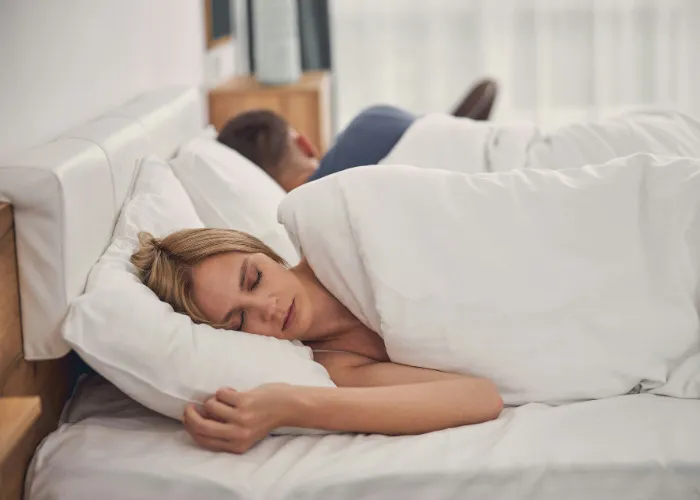
Modern life has also changed when people sleep.
Before electric lights, computers and smartphones, humans were much more closely connected to the natural light-dark cycle. Today, artificial light can push bedtime later and interfere with the body’s internal clock.
That could help explain why many people struggle to wake naturally in the morning.
Modern work schedules also create another problem.
People may sleep less during the working week and then try to make up for it on their days off.
As The Conversation noted, many people now have “short sleep during the working week and longer catch-up sleep on work-free days.”
Thus, sleep health isn’t just about counting hours. Timing and consistency matter too.
Furthermore, there is also no reason to assume that two people will feel equally rested after the same amount of sleep

Health status and biological sex can affect individual sleep requirements. Several large studies suggest that the amount of sleep associated with the best health may actually be less than eight hours for some people.
Another study published in Nature used brain and body scans, together with molecular measurements, to study the relationship between sleep and the aging of different organs.
It estimated an ideal sleep range of 6.4 to 7.8 hours, depending on the person’s sex and the organ being studied.
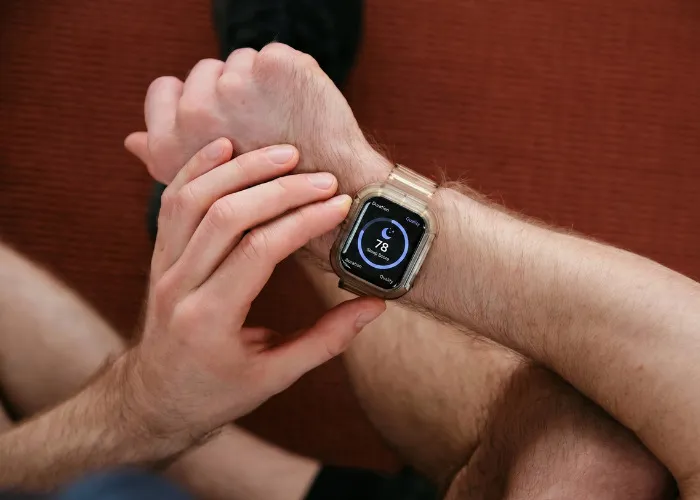
That is why one person’s perfect night’s sleep might leave another person feeling exhausted.
As the Conversation put it, “The eight-hour rule is clearly too simple. People need different amounts of sleep, and when we sleep matters too.”
The National Sleep Foundation recommends seven to nine hours for adults aged 26 to 64, although some adults may need between six and 10 hours.
One more study found five different types of sleepers

The idea that sleep is about more than counting hours is also supported by another study published in PLOS Biology.
1MORE Triple Driver In-Ear Headphones - Silver - Wired - Adult - In Ear - 18 grams - 90 days limited warranty
(as of October 10, 2026 00:57 GMT +00:00 - More infoProduct prices and availability are accurate as of the date/time indicated and are subject to change. Any price and availability information displayed on [relevant Amazon Site(s), as applicable] at the time of purchase will apply to the purchase of this product.)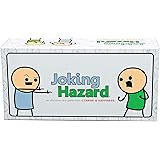
Joking Hazard by Cyanide & Happiness - 360+ Funny & Inappropriate Comic Cards, Hilarious Party Games | Includes Add-Your-Own-Words Cards
$24.95 (as of October 10, 2026 00:57 GMT +00:00 - More infoProduct prices and availability are accurate as of the date/time indicated and are subject to change. Any price and availability information displayed on [relevant Amazon Site(s), as applicable] at the time of purchase will apply to the purchase of this product.)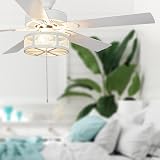
RIVER OF GOODS Alabaster LED Mesh Caged Ceiling Fan - 52" L X 52" W - White/Oak Wood-Grain Blades
(as of October 10, 2026 00:57 GMT +00:00 - More infoProduct prices and availability are accurate as of the date/time indicated and are subject to change. Any price and availability information displayed on [relevant Amazon Site(s), as applicable] at the time of purchase will apply to the purchase of this product.)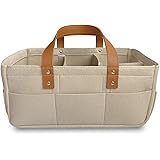
KiddyCare Diaper Caddy Organizer Cart for Nursery Baby Basket Gift for Boy/Girl | Diaper Caddy for Changing Table Basket Organizer with Dividers | Caddy for Baby Stuff Breast Pump Caddy - Regular
$8.95 (as of October 10, 2026 00:57 GMT +00:00 - More infoProduct prices and availability are accurate as of the date/time indicated and are subject to change. Any price and availability information displayed on [relevant Amazon Site(s), as applicable] at the time of purchase will apply to the purchase of this product.)


















Post Comment