This Woman’s Dress Experiment Reveals Shocking Truths About Clothing Sizes That Experts Can’t Ignore
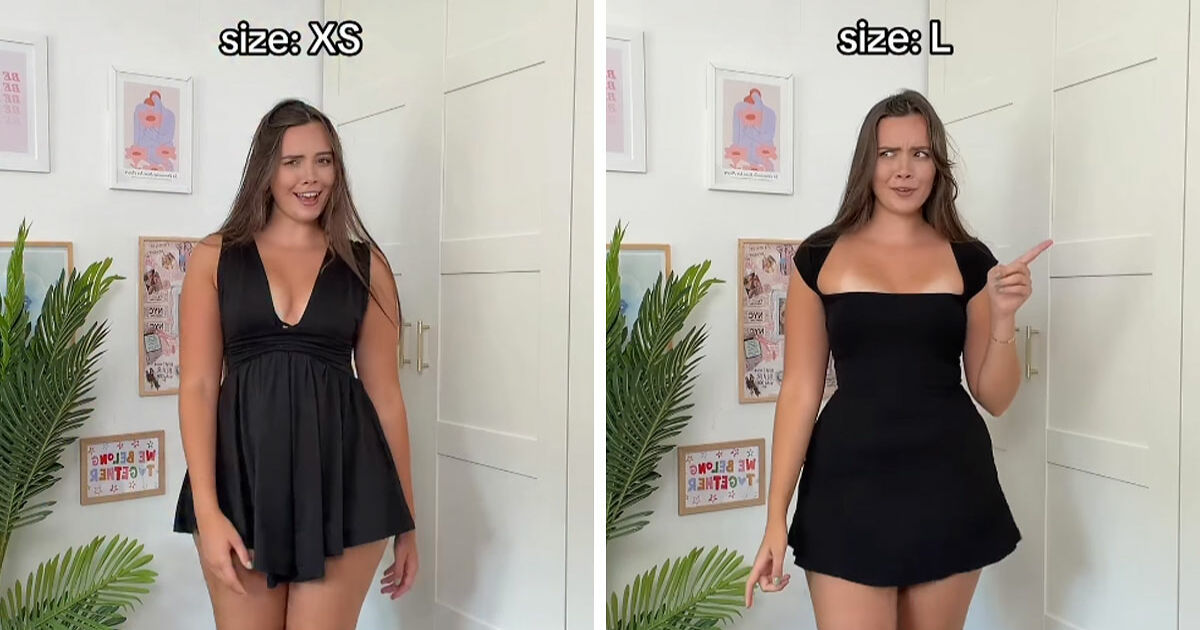
The author used her own measurements to illustrate how dramatically sizing has shifted over the decades. Nearly a century ago, the same body measurements would have placed her in a much larger size. But today, they correspond to smaller labels.
“I have a 36’’ bust, which in the 1930s would be a size 18 in a sewing pattern, but is now a 14, and anything from an 8 to a 12 in ready-to-wear. (Sewing patterns have changed less because dressmakers own tape measures so you can only con them so much),” she explained.
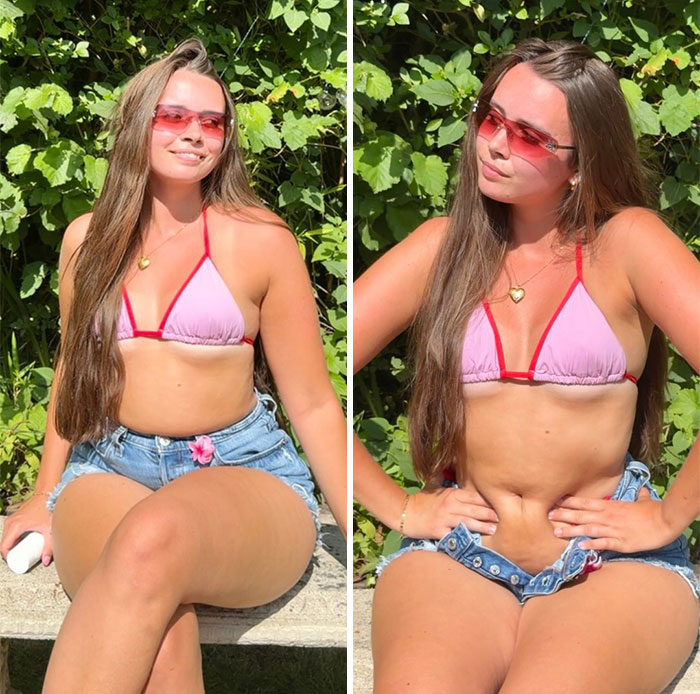
Image credits: gracetutty
“Some recalibration as people got taller and wider is justified, but the rest is vanity sizing like my RTW knit tops marked ‘small’ which are wider across than ones marked ‘medium.’ I have noticed that more expensive brands tend to vanity size more than department stores. Basically, you are paying to be flattered.”
The problem, however, is just how the fashion industry has established itself. Experts say that shoppers themselves have been trained to see a smaller size as a win.
“Unfortunately, we consumers are partially at fault,” Przybyszewski said. “Researchers have found that if you ask a woman to try on two pairs of jeans cut from the EXACT same pattern, she will tell you the ones marked size 8 fit better than the ones marked size 10.”
Shoppers themselves have been trained to see a smaller size as a win
@gracetutty clothes are meant to fit around your body, don’t spend your life trying to squeeze into clothes in sizes that aren’t accurate anyway🫶🏻🫶🏻 #womensclothes#jeanssize#bodypositivity#womensfashion♬ GOOD LUCK BABE by CHAPPELL ROAN – Chappell’s Fandom 👑

Research suggests that the impact of clothing sizes goes beyond just being a source of shopping frustration. It can shape one’s self-esteem and how they feel about their bodies in general.
In one study, researchers examined responses from 20 women, aged 18 to 45, and their experiences with dress fit and body image.
They found that the participants had a complicated relationship with clothing sizes and used well-fitting clothes to boost confidence, conceal areas they felt insecure about, and create a body shape closer to the “slim hourglass” ideal.
The study also found that women experienced decreased body confidence when the clothes were tight, even if they were generally body-confident women.
Seventeen women further admitted that they disguised parts of the body they disliked using clothes.
Image credits: h&co/Pexels (not an actual photo)
This emotional connection to clothing sizes is precisely why experts say vanity sizing can be so powerful. By attaching smaller labels to larger garments, brands may influence how consumers feel about themselves.
“Vanity sizing came to the fore in the 1980 and 90s, and brands never looked back. Size 0 and 00 were not a thing before that,” Elizabeth Wissinger, Professor of Fashion and Liberal Studies at the City University of New York Graduate School (GSUC), told Bored Panda.
Vanity sizing not only creates confusion but can also make fashion less inclusive. When brands assign smaller labels to larger garments, shoppers who genuinely need those larger measurements may find fewer options available to them.
“Labeling large garments with smaller sizes has led to negative sizes. When you turn a size Large into what is essentially a Medium, what is a person who is an actual size Large supposed to do?” Wissinger said.
Vanity sizing not only creates confusion but can also make fashion less inclusive
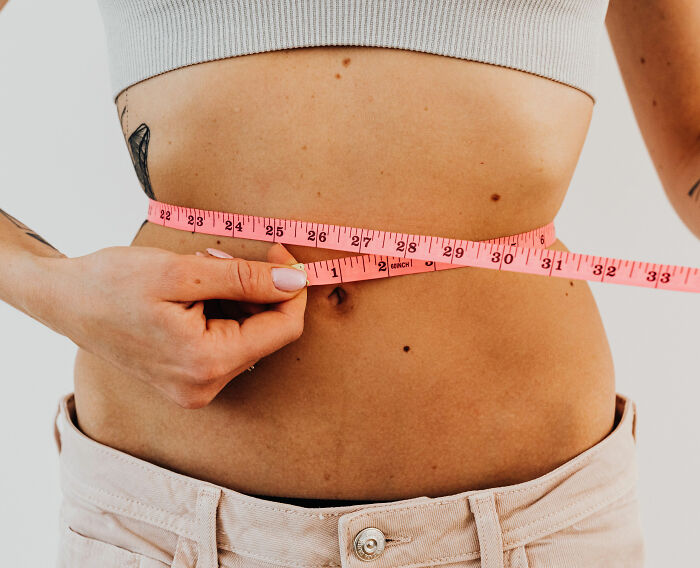
Image credits: Kaboompics/Pexels (not an actual photo)
“Non-inclusive sizing leaves out bodies. A key difference? At least those on the smaller end can alter larger clothes to fit. Those on the larger end have no such option,” she added. “In sum, limited size ranges leave too many bodies out, both large and small.”
A standardized sizing system could potentially address more than just the emotional frustration among shoppers while they are in fitting rooms. Wissinger said consistent sizing could also help reduce fashion’s environmental impact by cutting down on unnecessary returns.
“Standard sizing could reduce fashion pollution,” Wissinger said. “Standard sizing could reduce fashion’s carbon footprint by minimizing returns. Right now, consumers have no other option but to overorder and return most of it. This practice leads to extra shipping and pollution.”
@gracetutty clothes are meant to fit your body, your body isnt meant to squeeze into clothes that dont fit you! 🫶🏻 womens clothing sizes need to become standardised!!! its sooo frustrating shopping with a new brand and having no idea whether ill be a S or an XL😭 #clothingsizes#womensfashion#dresssize#size10#midsize♬ original sound – ☆
While many shoppers may wish for a universal sizing system, creating one is far more complicated than simply assigning the same measurements to every brand.
Human bodies vary widely, especially from one geographical region to another. And there is no single “average” shape that can accurately represent everyone all across the world.
RIVER OF GOODS Mid-Century Modern Transitional LED Bronze Chrome Ceiling Fan - 52" L x 52" W - Rich Barnwood/Light Driftwood Fan Blades - Metallic Ceiling Fan with Light and Fabric Shade
(as of October 25, 2026 01:02 GMT +00:00 - More infoProduct prices and availability are accurate as of the date/time indicated and are subject to change. Any price and availability information displayed on [relevant Amazon Site(s), as applicable] at the time of purchase will apply to the purchase of this product.)
Skater Trainer Wheels - Beginners get Skateboard Tricks Fast, Safe and Fun | Viral accessory gift - Helps beginners stay excited about their new skateboard - Kids & parents love these
$28.99 (as of October 25, 2026 01:02 GMT +00:00 - More infoProduct prices and availability are accurate as of the date/time indicated and are subject to change. Any price and availability information displayed on [relevant Amazon Site(s), as applicable] at the time of purchase will apply to the purchase of this product.)
Supa Ant Canning Supplies Starter Kit (Food Grade) - Canning Kits Set for Beginners - 3 Pcs. Including Wide Mouth Jar Funnel, Magnetic Lid Lifter, Stainless Steel Jar Lifter (Assembled in USA) Blue
$9.99 (as of October 25, 2026 01:02 GMT +00:00 - More infoProduct prices and availability are accurate as of the date/time indicated and are subject to change. Any price and availability information displayed on [relevant Amazon Site(s), as applicable] at the time of purchase will apply to the purchase of this product.)
RIVER OF GOODS Stained Glass Magna Carta LED Ceiling Fan - 52" L x 52" W - Tiffany Style - Flush Mount Ceiling Fan with Remote - Teal
(as of October 25, 2026 01:02 GMT +00:00 - More infoProduct prices and availability are accurate as of the date/time indicated and are subject to change. Any price and availability information displayed on [relevant Amazon Site(s), as applicable] at the time of purchase will apply to the purchase of this product.)