Trapped Underground for 500 Days: The Unthinkable Psychological Toll Revealed
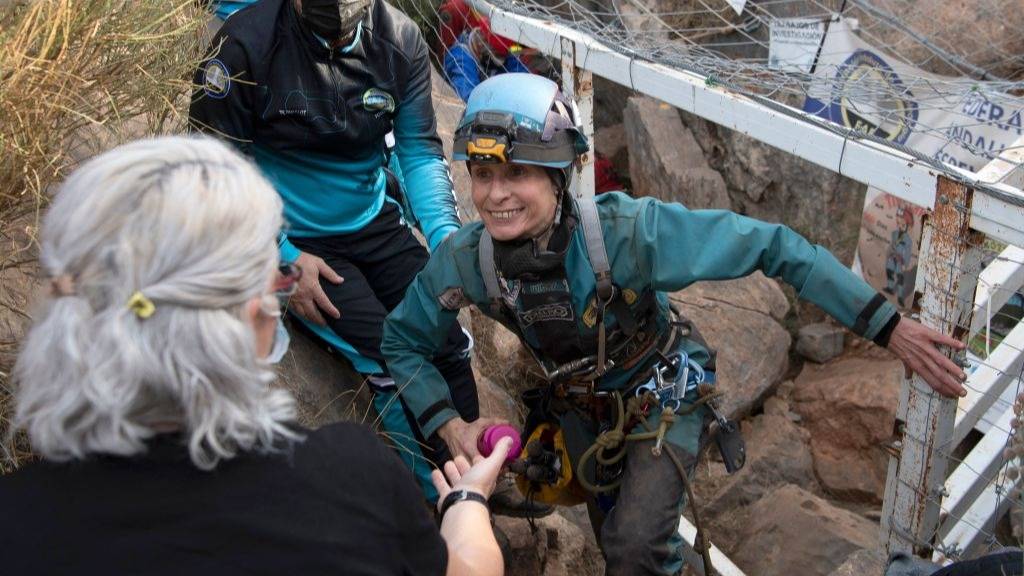
Ever wonder what it’s like to press pause on life—not for days, not for weeks—but for a mind-boggling 500 days deep inside a cave? Well, Beatriz Flamini did just that. In November 2021, this fearless Spanish extreme athlete descended 70 meters into a Granada cave and vanished from the human chatter for well over a year. But here’s the kicker: she wasn’t just hiding; she was part of a daring experiment monitored by psychologists and speleologists, facing the eerie side effects of total isolation—like losing track of time and even hearing things that weren’t really there. Imagine thinking you’re in there for just a few months when it’s actually over a year! And no, this wasn’t some Netflix survival drama; this was real life, complete with woolly hats, 60 books, and a battle to keep balance after emerging back into the dazzling daylight. Curious how someone can survive—and thrive—under those wild conditions? Dive into Beatriz’s extraordinary journey and see what 500 days underground can teach us about the mind, the body, and the human spirit.
On 20 November 2021, Beatriz Flamini headed down into a cave in Granada, Spain. And she did not come back out for 500 days.
You might not be totally surprised to hear that during this time in the 70m deep cave, the Spanish extreme athlete suffered a rather terrifying side effect.
Flamini entered the age at the age of 48 while being monitored by a group of psychologists, researchers and speleologists. But she had no contact with humans for the whopping 500 days.
You might think that would have felt like forever, but she actually told reporters after that she had quickly lost her sense of time – she believed she’d only been there for about 160-170 days when the support team went to retrieve her.
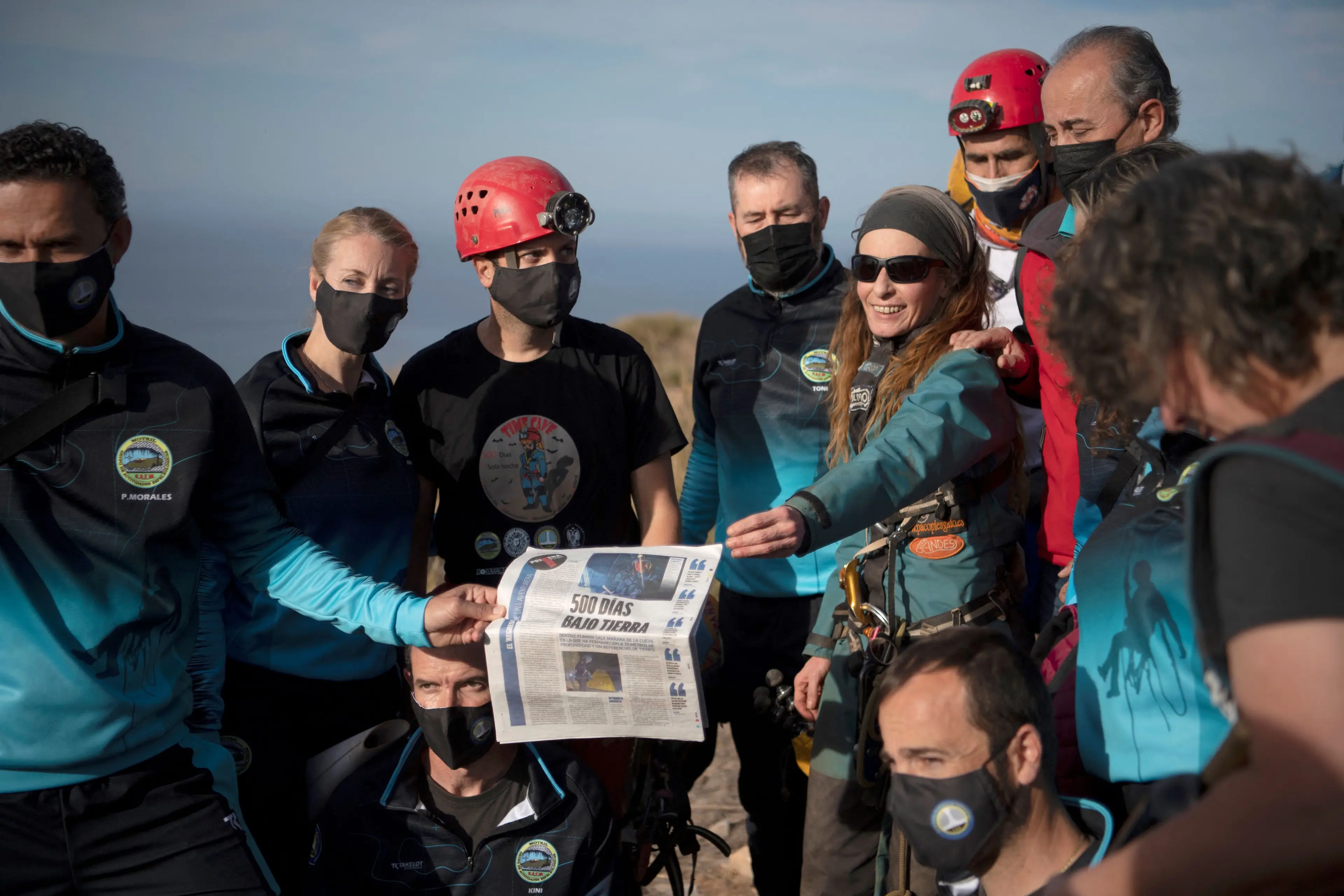
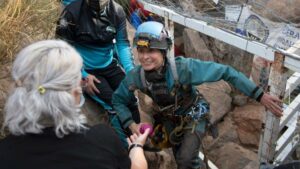
She emerged from the cave in April 2023. (JORGE GUERRERO/AFP via Getty Images)
During the experiment, Flamini documented her experiences in order to help scientists understand the effects of extreme isolation.
And at one point, she experienced auditory hallucinations.
“You are silent and the brain makes it up,” she described following after emerging in April 2023.
The extreme athlete had asked the team to send down a device so she could record the sound as she insisted it was ‘not hallucinations’.
Some of the team felt that these ‘apparent auditory hallucinations’ suggested distress and were concerned about her stability.
But sports psychologist Débora Godoy Izquierdo told the New Yorker that she did not share the worries for Flamini.
Instead, she endorsed that the idea that the team should send more books and puzzles to help her focus. The psychologist believed Flamini had dealt with the hallucinations appropriately ‘even if they might be strange experiences for most people in their daily lives’.
During her time in the cave, she exercised, drew and knitted woolly hats while getting through 60 books and 1,000 litres of water.
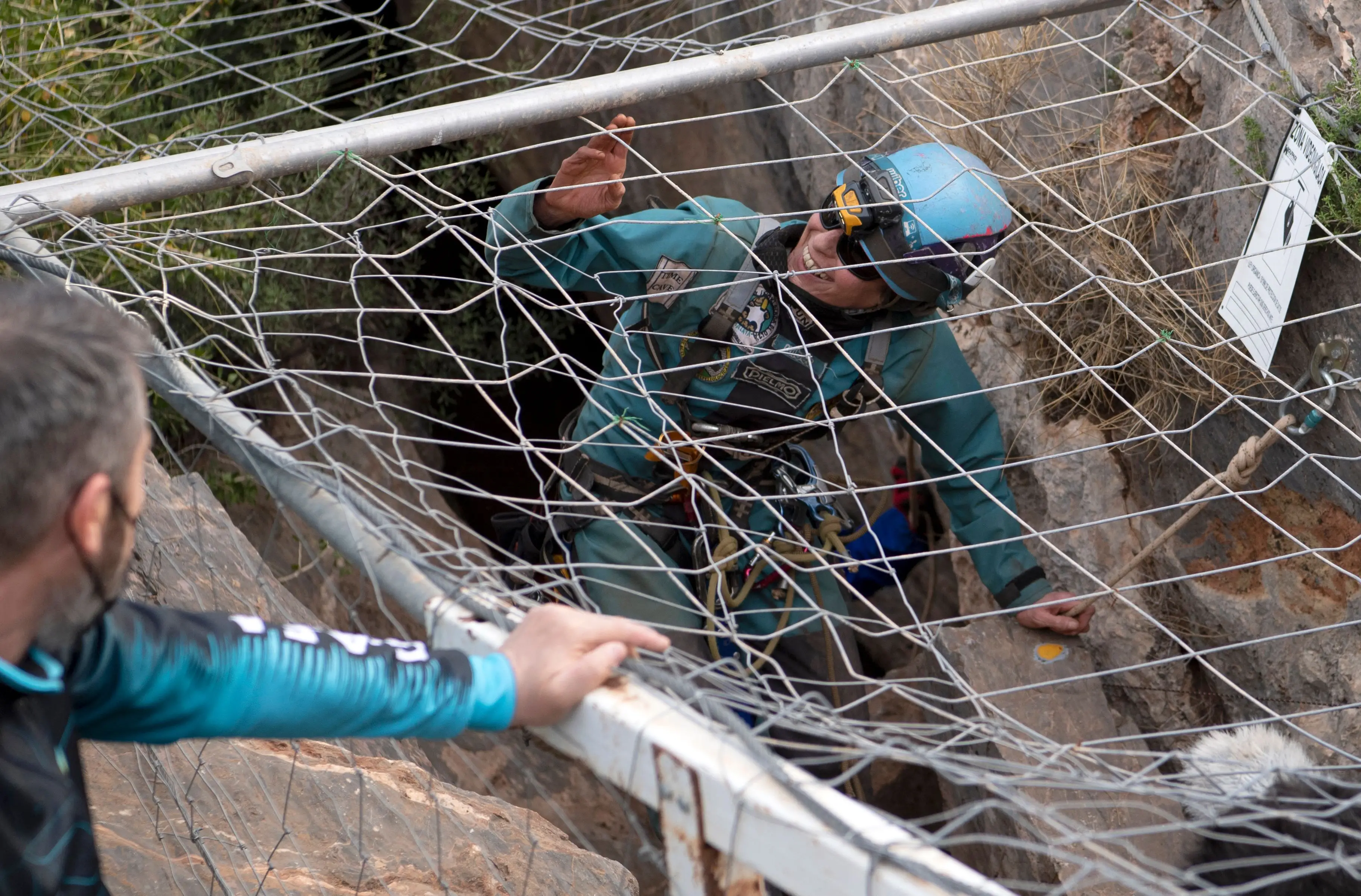
Her balance was off for a while. (JORGE GUERRERO/AFP via Getty Images)
“I’m still stuck on November 21, 2021. I don’t know anything about the world,” she said after exiting the cave.
Flamini told the New Yorker that tests at the hospital afterwards came back positively but she continued to suffer problems with her balance.
With 500 days down in the cave with normal walking impossible, she was walking unevenly with a ‘stooped’ posture. She also wore sunglasses for a while as her pupils hadn’t readjusted to the bright light.
Flamini added to the New Yorker that her short-term memory had suffered and she had lost much of her peripheral vision.
Speaking shortly after leaving the cave, she described her experience as ‘excellent, unbeatable’.

RIVER OF GOODS Stained Glass Bird Accent Lamp - 8" W x 13.5" H - Tiffany Style Table Lamps for Home, Office Desk, Bedroom, Nightstand - Blue Jay Decor
$79.99 (as of October 13, 2026 00:58 GMT +00:00 - More infoProduct prices and availability are accurate as of the date/time indicated and are subject to change. Any price and availability information displayed on [relevant Amazon Site(s), as applicable] at the time of purchase will apply to the purchase of this product.)
Fire Blankets -Certified 1200F, Wearable Fire Blankets for Home & Kitchen | 500GSM Fabric & 0.5mm Thick - Silicone Fire Blanket Cape for Car,Warehouse Office - Emergency Fireproof Cloak (55x70 inches)
$83.99 (as of October 13, 2026 00:58 GMT +00:00 - More infoProduct prices and availability are accurate as of the date/time indicated and are subject to change. Any price and availability information displayed on [relevant Amazon Site(s), as applicable] at the time of purchase will apply to the purchase of this product.)
KiddyCare Diaper Caddy Organizer Cart for Nursery Baby Basket Gift for Boy/Girl | Diaper Caddy for Changing Table Basket Organizer with Dividers | Caddy for Baby Stuff Breast Pump Caddy - Regular
$8.95 (as of October 13, 2026 00:58 GMT +00:00 - More infoProduct prices and availability are accurate as of the date/time indicated and are subject to change. Any price and availability information displayed on [relevant Amazon Site(s), as applicable] at the time of purchase will apply to the purchase of this product.)
Rhythm Superfoods Kale Chips, Zesty Nacho, Organic and Non-GMO, 2.0 Oz (Pack of 4), Vegan/Gluten-Free Superfood Snacks
(as of October 13, 2026 00:58 GMT +00:00 - More infoProduct prices and availability are accurate as of the date/time indicated and are subject to change. Any price and availability information displayed on [relevant Amazon Site(s), as applicable] at the time of purchase will apply to the purchase of this product.)



















Post Comment