Unlocking Tarantino: The Shocking Truth Behind His 9 Films, Ranked from Best to Worst
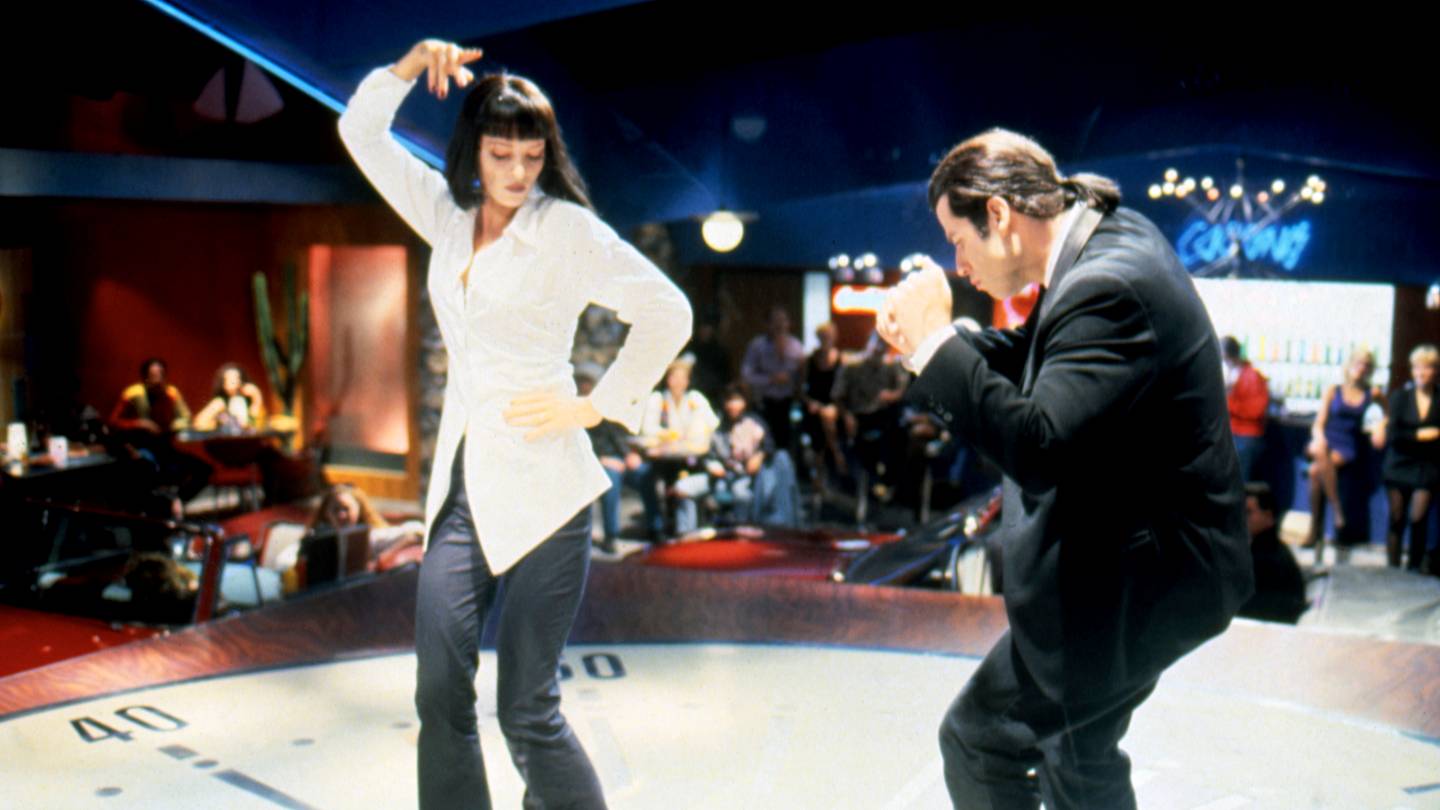
Ever wonder what happens when someone takes their entire VHS collection, tosses in a sprinkle of kung fu, a dash of spaghetti Westerns, and a whole lot of pulp, then shakes it up into one explosive cinematic gumbo? Well, that’s Quentin Tarantino for ya—a filmmaker who’s as much a movie buff as he is a master storyteller. His films don’t just retell stories; they shout out to the underappreciated flicks he adored growing up, giving them a fresh, fiery spin that’s unmistakably his own. And honestly, isn’t it refreshing to watch conversations that make you forget the popcorn and pay attention—because they hold just as much weight as any shootout? Brace yourself, ‘cause we’re diving deep into the whirlwind world of Tarantino’s movies, ranking each one with all the love and sass they deserve. Curious which flick takes the crown, or why needle drops can be as dramatic as the plot twists? Flip the page and find out!
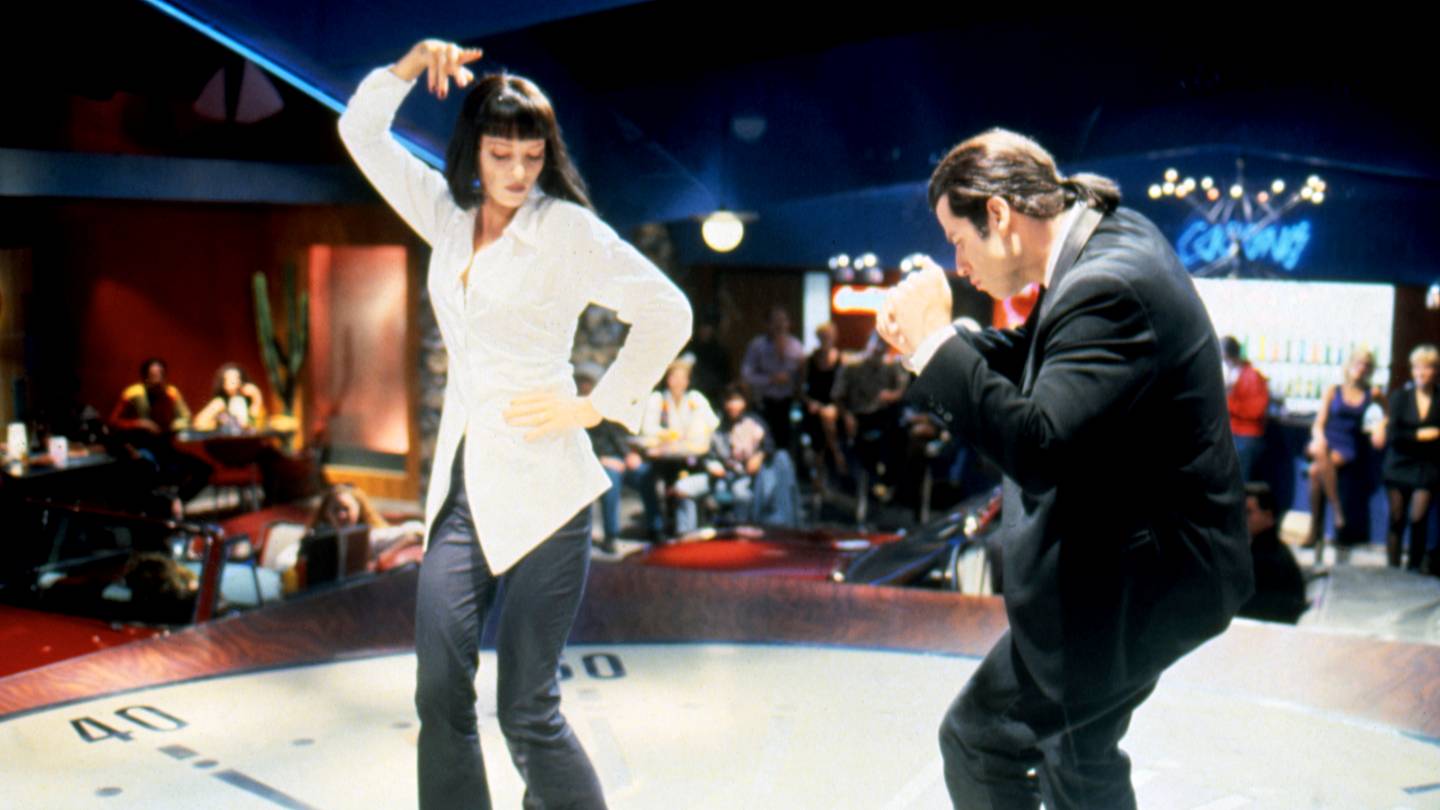
There are few filmmakers who have turned their personal taste in movies into as recognizable a cinematic language as Quentin Tarantino. His films are all love letters to the movies he grew up watching—be they spaghetti Westerns, kung fu epics, exploitation cinema, or pulpy genre films—many of which were movies that didn’t usually receive much recognition from critics.
Sure, he might borrow a lot of the ingredients, but he rearranges them into something that’s distinctly his own, and often uses familiar genre conventions to explore the mythology of Hollywood. He also has a knack for making seemingly throwaway conversations feel as important as a shootout, and for turning a well-placed needle drop into an event in itself.
Tarantino’s opinions about modern cinema may have become increasingly controversial in recent years, but the films themselves remain a formidable body of work. With his self-imposed ten-movie limit still hanging over him, it might be several more years until we see his final one. But this also makes it a good time to revisit his filmography to rank every one of his movies.
9. Death Proof (2007)
Death Proof is Tarantino at his most deliberately “trashy,” and that is both part of its appeal and maybe one of its limitations. It was made as part of the double feature Grindhouse alongside Robert Rodriguez’s Planet Terror, and the film recreates the rough edges of exploitation cinema with its scratched prints, missing reels, and abrupt edits.
The first half of the movie lures viewers into expecting the familiar rhythm of a 1970s slasher, with Mike (Kurt Russell) preying on a group of unsuspecting women. Then the second half subverts the trope and introduces a new group of women who are not helpless victims; they’re physically capable and more than willing to turn the tables on Mike.
Death Proof is probably the least good film in Tarantino’s filmography, but even then, it’s a very solid movie.
8. Kill Bill (2003–2004)
Tarantino considers Kill Bill to be one movie, much to the dismay of many fans. But fine, we’ll indulge him. Both chapters are excellent, although Volume 1 has a slight edge thanks to the narrative excitement of the Bride’s revenge missions.
The film is a sprawling tribute to the cinema that shaped him, taking inspiration from Shaw Brothers’ kung fu movies, Japanese samurai films, spaghetti Westerns, and even a bit of anime. The influence of the Japanese revenge classic Lady Snowblood is especially noticeable.
Volume 2, meanwhile, slows things down and has a bit more of a spaghetti Western vibe (with plenty of martial arts).
7. Jackie Brown (1997)
Jackie Brown is probably Tarantino’s most underrated film, partly because it arrived after Pulp Fiction and might not have lived up to those same expectations.
Adapted from Elmore Leonard’s novel Rum Punch, it trades in the elaborate criminal mythology of his previous movie for a more grounded story about a flight attendant (Pam Grier) trying to outsmart a dangerous gunrunner, along with the law enforcement agents watching him.
The film is also a homage to blaxploitation cinema of the 1970s. The ensemble cast is exceptional, especially Robert De Niro’s performance as a miserable, increasingly frustrated ex-convict.
6. The Hateful Eight (2015)
Following Django Unchained, Tarantino returned to the Western genre with a pretty claustrophobic film. The Hateful Eight traps a collection of bounty hunters, fugitives, and strangers inside a Wyoming haberdashery during a blizzard.
Where Django Unchained is a grand adventure driven by liberation and revenge, this film is cynical and aggressively unpleasant. Its characters are rarely trustworthy, even the “protagonists.”
The movie was shot in Ultra Panavision 70mm, a very wide format with a 2.76:1 aspect ratio that had largely disappeared from mainstream filmmaking at the time. The expansive landscapes surely look spectacular, but the wide frame also helps make the cramped interior scenes visually striking and allows several characters to fit in the same composition.

















Post Comment