Unveiling America’s Dark Secret: The Shocking ‘Ugly Laws’ That Erased Disabled Lives from Public View
Imagine a law so bizarrely cruel that it literally outlawed people—yes, actual human beings—from simply being seen in public because they looked “unsightly.” Sounds like something out of a dystopian novel, right? Well, between 1867 and 1974, cities across the United States passed what came to be known as “ugly laws,” banning anyone with visible physical or cognitive disabilities from public spaces. These laws weren’t just about hiding folks away; they were tangled up with fears about poverty, morality, and the rapid urban boom of the late 19th and early 20th centuries. How did society allow such discriminatory rules to linger for over a century? And why did it take until the 1970s for them to finally be thrown out? Buckle up—it’s a story as shocking as it is tragic, filled with forgotten faces and the long, winding road toward disability rights.
Between 1867 and 1974, cities across the United States enacted laws that prohibited people with physical or cognitive disabilities from appearing in public spaces.
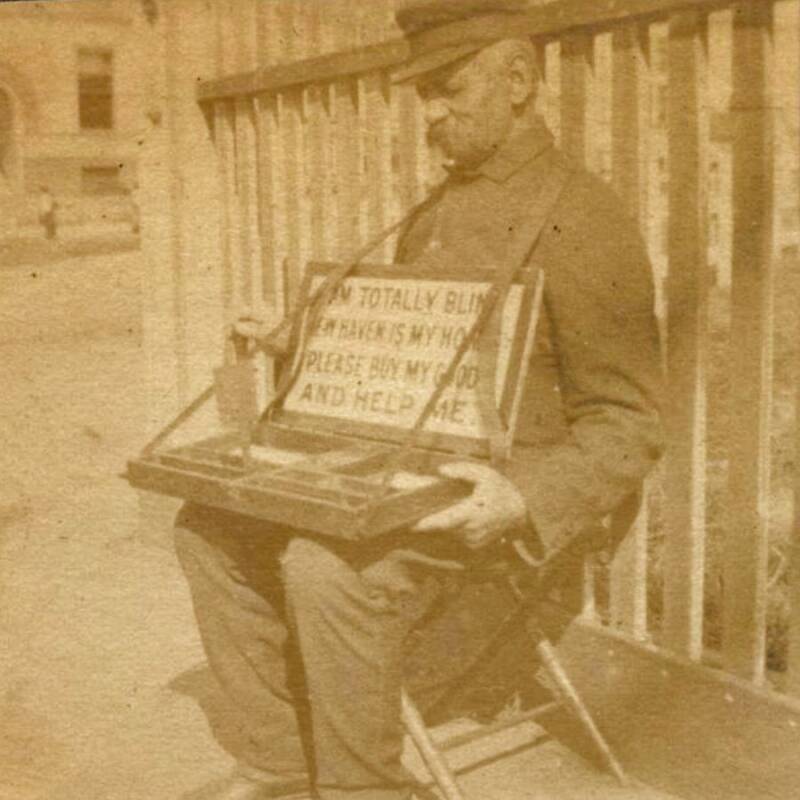
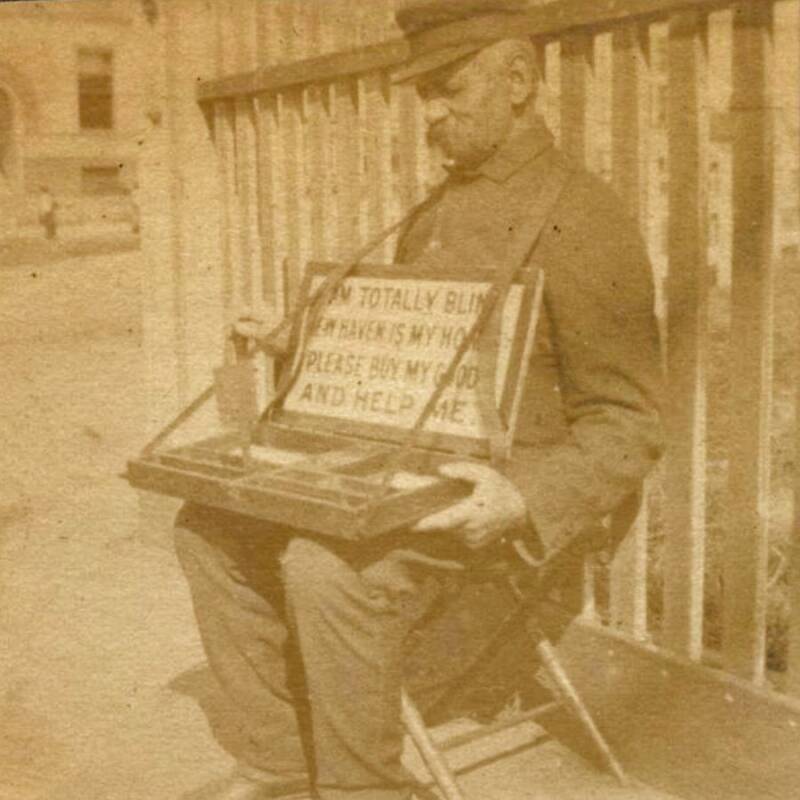
Public DomainA blind man selling goods in New Haven circa the late 19th century.
In 1867, San Francisco adopted a law that would set a dangerous and cruel precedent for Americans with disabilities.
According to the law, any person who was deemed to be “diseased, maimed, mutilated, or in any way deformed” to the point of being an “unsightly or disgusting object” could no longer be present in public life.
This was the first recorded instance of what later became known as “ugly laws.”
These laws formed the bedrock of a push to drive people with visible disabilities from public life — especially if they were poor. But how did these laws come about? And why did it take until the 1970s for some of the legislation to be repealed? The story is as tragic as it is shocking.
How America’s ‘Ugly Laws’ Began
In the beginning, the so-called “ugly laws” were not necessarily targeted solely at those with disabilities. Instead, measures like the one passed in San Francisco were part of broader rules against street begging. While many of these laws did not ban people from going out in public, they tied their issues with poverty and made them a potential target of the law.
There’s a reason that these laws emerged in the late 1800s. Rapid industrialization brought with it massive urban growth and development. At the same time, dangerous workplaces, illness, and lax labor laws meant that employees were repeatedly facing injuries at work.
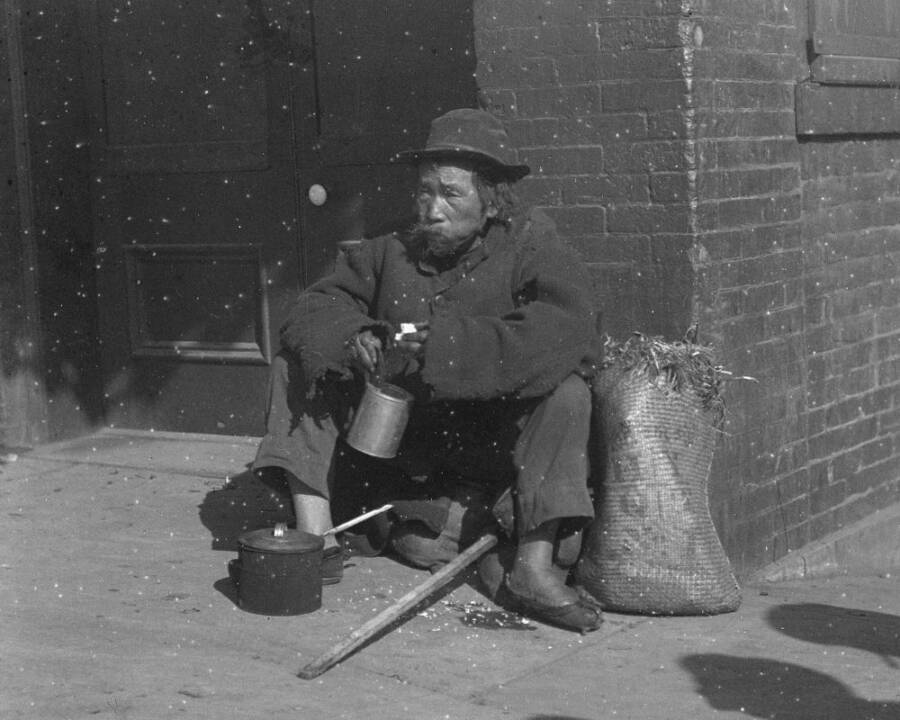
Public DomainA beggar in San Francisco’s Chinatown near the turn of the 20th century.
Given the lack of legal protections for workers, it was not uncommon to get injured on the job, become disabled, and then become unemployed because of the disability. This cycle pushed many people with disabilities out onto the streets.
At the same time, a moral panic was emerging about cities. Laws were slowly being implemented to crack down on begging, obstruction, and vagrancy — but to officials, seeing disability out on the streets became a sign of disorder. Consequently, these laws turned the focus away from a person’s behavior and toward the individual themself.
Someone merely taking up space on the street was not necessarily a criminal. If they were disabled, however, and they were judged to be unfit to look at, these “ugly laws” made their very presence a criminal act.
How The Laws Spread Across The Country
After San Francisco introduced its law, other cities followed suit. Portland, Denver, Lincoln, Omaha, and Columbus all introduced their own versions of the legislation, and Pennsylvania made its policy statewide.
Chicago introduced a similar ordinance in 1881. Per the Digital Research Library of Illinois History, the alderman behind the proposal claimed that its purpose was to abolish “all street obstructions” — language that reduced people with disabilities to mere obstacles.
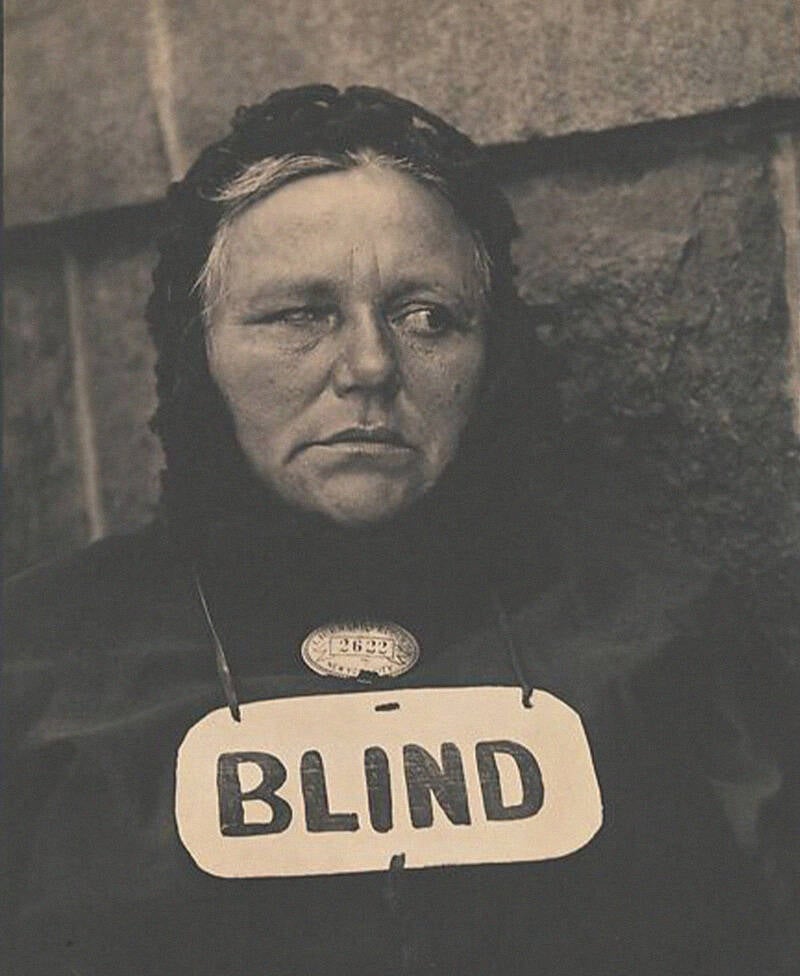
Public DomainPaul Strand’s “Blind Woman, New York” (1916). The photo was featured on the cover of Susan Marie Schweik’s book The Ugly Laws: Disability in Public.
It’s incorrect to say that these laws meant people with disabilities could not participate in public life at all. What they did do, however, was give the police broad discretion to go after people with disabilities, more so than those without them. Officers could target people who begged, sold newspapers, held signs describing their disabilities, or simply occupied a public space while poor and visibly impaired.
Not only that, but the mere threat of punishment was consequential. Someone who feared they could not safely appear on the street might lose access to employment, charity, political participation, or even their own community.
In one instance, a young man in Cleveland was told that he was no longer allowed to sell newspapers on the street due to the fact that he had clubbed hands and feet. He was later allowed to continue selling papers, but only if he did so on private property instead of municipal property.
These types of laws were enacted for more than a century — and many remained on the books well into the 1970s.

RIVER OF GOODS Stained Glass Bird Accent Lamp - 8" W x 13.5" H - Tiffany Style Table Lamps for Home, Office Desk, Bedroom, Nightstand - Blue Jay Decor
$79.99 (as of October 24, 2026 01:02 GMT +00:00 - More infoProduct prices and availability are accurate as of the date/time indicated and are subject to change. Any price and availability information displayed on [relevant Amazon Site(s), as applicable] at the time of purchase will apply to the purchase of this product.)
1MORE Triple Driver In-Ear Headphones - Silver - Wired - Adult - In Ear - 18 grams - 90 days limited warranty
(as of October 24, 2026 01:02 GMT +00:00 - More infoProduct prices and availability are accurate as of the date/time indicated and are subject to change. Any price and availability information displayed on [relevant Amazon Site(s), as applicable] at the time of purchase will apply to the purchase of this product.)
RIVER OF GOODS Mid-Century Modern Transitional LED Bronze Chrome Ceiling Fan - 52" L x 52" W - Rich Barnwood/Light Driftwood Fan Blades - Metallic Ceiling Fan with Light and Fabric Shade
(as of October 24, 2026 01:02 GMT +00:00 - More infoProduct prices and availability are accurate as of the date/time indicated and are subject to change. Any price and availability information displayed on [relevant Amazon Site(s), as applicable] at the time of purchase will apply to the purchase of this product.)
PROMIXX FORM Protein Shaker Bottle - A Premium Shaker Bottle for Protein Shakes Infusions and Hydration - Durable Gym Shaker Bottle, Leakproof Lid, Odorless - 26oz (Graphite Gray)
$12.99 (as of October 24, 2026 01:02 GMT +00:00 - More infoProduct prices and availability are accurate as of the date/time indicated and are subject to change. Any price and availability information displayed on [relevant Amazon Site(s), as applicable] at the time of purchase will apply to the purchase of this product.)