Unveiling the Secret Language of Gilded Age Elites: What ‘Dollar Princess’ and ‘The Four Hundred’ Really Meant

–>
According to legend, the term was coined because 400 was the maximum capacity of Mrs. Astor’s ballroom at her home on Fifth Avenue and 34th Street. But another version of the tale credits this phrase to Mrs. Astor’s long-time friend and fellow socialite Ward McAllister, who told the New York Tribune in 1888 that, “There are only about four hundred people in fashionable New York Society. If you go outside that number, you strike people who are either not at ease in a ballroom or else make other people not at ease.”
To Give Aces and Spades
To hold aces, or to hold a full ace, is to have absolute control over a situation. In 19th and early 20th century parlance, however, to give aces and spades was essentially the opposite, and meant to surrender or lose an advantage to an opponent.
Maddist

“Society maddists” were the nouveau riche, as viewed from the perspective of the old money of the day—that is, the term was used to describe people who weren’t born in high society, but were madly desperate to become part of it.
Professional Beauty
A courting young woman wishing to catch the eye of a suitable beau might, in the late 1800s, decide to sit for a portrait photograph that they could circulate and hand out as visiting cards when they dropped in on their friends and suitors. These cards became known as “cabinet cards”—while the young women who sat more than their fair share of photographs became jokingly known as “professional beauties.”
Read More:
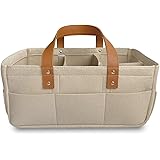
KiddyCare Diaper Caddy Organizer Cart for Nursery Baby Basket Gift for Boy/Girl | Diaper Caddy for Changing Table Basket Organizer with Dividers | Caddy for Baby Stuff Breast Pump Caddy - Regular
$9.99 (as of November 9, 2026 01:08 GMT +00:00 - More infoProduct prices and availability are accurate as of the date/time indicated and are subject to change. Any price and availability information displayed on [relevant Amazon Site(s), as applicable] at the time of purchase will apply to the purchase of this product.)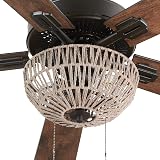
RIVER OF GOODS LED Boho Ceiling Fan with Hand Woven Brown/Natural Rope - Macrame Knot Work and Hemp Rope Style Eclectic Cottage Decor - 52" L x 52" W - Rich Barnwood/Light Driftwood Fan Blades
(as of November 9, 2026 01:08 GMT +00:00 - More infoProduct prices and availability are accurate as of the date/time indicated and are subject to change. Any price and availability information displayed on [relevant Amazon Site(s), as applicable] at the time of purchase will apply to the purchase of this product.)
RIVER OF GOODS Coastal 52 Inch Wooden Bead LED Ceiling Fan, Cream
(as of November 9, 2026 01:08 GMT +00:00 - More infoProduct prices and availability are accurate as of the date/time indicated and are subject to change. Any price and availability information displayed on [relevant Amazon Site(s), as applicable] at the time of purchase will apply to the purchase of this product.)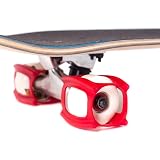
Skater Trainer Wheels - Beginners get Skateboard Tricks Fast, Safe and Fun | Viral accessory gift - Helps beginners stay excited about their new skateboard - Kids & parents love these
$28.99 (as of November 9, 2026 01:08 GMT +00:00 - More infoProduct prices and availability are accurate as of the date/time indicated and are subject to change. Any price and availability information displayed on [relevant Amazon Site(s), as applicable] at the time of purchase will apply to the purchase of this product.)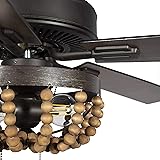



















Post Comment