Young Influencer’s Shocking ICU Ordeal After Sushi Meal Reveals Hidden Health Danger

“Salmonella can come from raw seafood. That said, doctors must have evidence tying Salmonella to a particular food item, and this is often not known,” he explained.



Acosta pointed to a 2022 Salmonella outbreak the US Centers for Disease Control and Prevention (CDC) investigated.
Of 18 people interviewed, 13 reported eating raw fish, sushi, or poke.
Investigators also found the outbreak strain of Salmonella at a fresh-fish supplier.
The findings supported a link between the outbreak and the contaminated seafood.
Typhoid fever presents a related but distinct food-safety concern.
An infectious disease expert explains how Salmonella and typhoid can spread through contaminated food
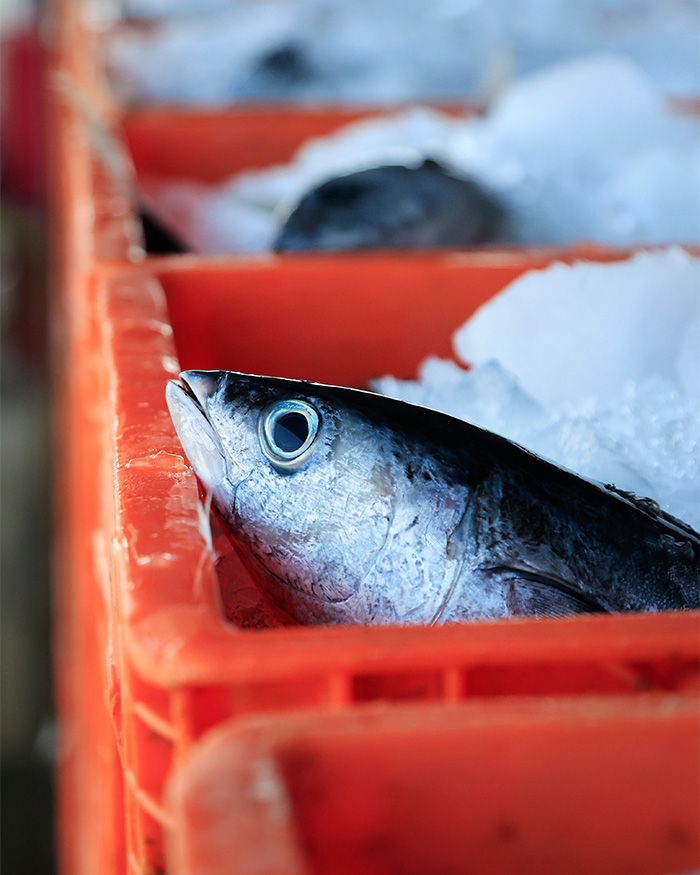
It is caused by Salmonella Typhi, which spreads through food or water contaminated with infected human feces.
“Typhoid is commonly transmitted by food/water contaminated by human waste,” Dr. Acosta said. “This could include food handled by someone with Typhoid and/or shellfish (e.g., oysters) living in typhoid-contaminated waters.”
He explained that identifying an infection’s source may involve examining symptom timing, stool-culture results, recently consumed foods, and whether others became sick after eating the same food.
Dr. Acosta said serious infections can trigger complications beyond the digestive system, particularly when a patient becomes severely dehydrated or bacteria enter the bloodstream.
“Signs that doctors worry about and seek the cause for include severe dehydration, worsening inflammation, and bacteria leaving the gut and entering the bloodstream,” he explained.
“When the germs enter the blood, what starts as a stomach ache can turn into a medical emergency.”
He also cautioned against assuming that an infection explains every subsequent complication in a particular patient.
“Yes, severe infections can plausibly contribute to all three, since they cause inflammation and make other complications more likely,” Dr. Acosta said, referring to pancreatitis, colitis, and gallbladder problems as experienced by Vargas.
Yuli recalled, “The pain and fear I felt throughout my hospitalization is something I don’t know how to explain…”

But he added, “I’m not able to opine on Ms. Vargas’ case as I do not have all of the facts about her illness.”
He noted that pancreatitis is a rare complication of typhoid colitis.
He also explained that Salmonella Typhi can live in the gallbladder, and gallstones may help the bacteria persist there.
Moreover, foodborne illnesses can range from mild, short-lived symptoms to infections that require urgent medical attention.
Dr. Acosta warned, “It’s a commonly held belief that food p**soning is not a big deal, but in fact some people need to seek medical attention when they develop diarrhea/vomiting.”

He highlighted several warning signs identified by the CDC, including bloody stools, diarrhea lasting more than three days, a fever above 102°F (approximately 39°C), vomiting that prevents someone from keeping fluids down, and signs of dehydration.
“Severe dehydration can result in kidney injury and can also cause your blood pressure to drop, leading to shock,” the expert explained.
He added that confusion or an inability to keep fluids down for hours should prompt same-day medical evaluation, potentially in an emergency department.
Older adults, young children, pregnant people, and those with weakened immune systems face a higher risk of serious foodborne illness and may need medical attention sooner.
Severe infections can affect multiple organs, and doctors warn against dismissing food p**soning

Acosta also challenged the assumption that fresh-looking seafood is necessarily safe.
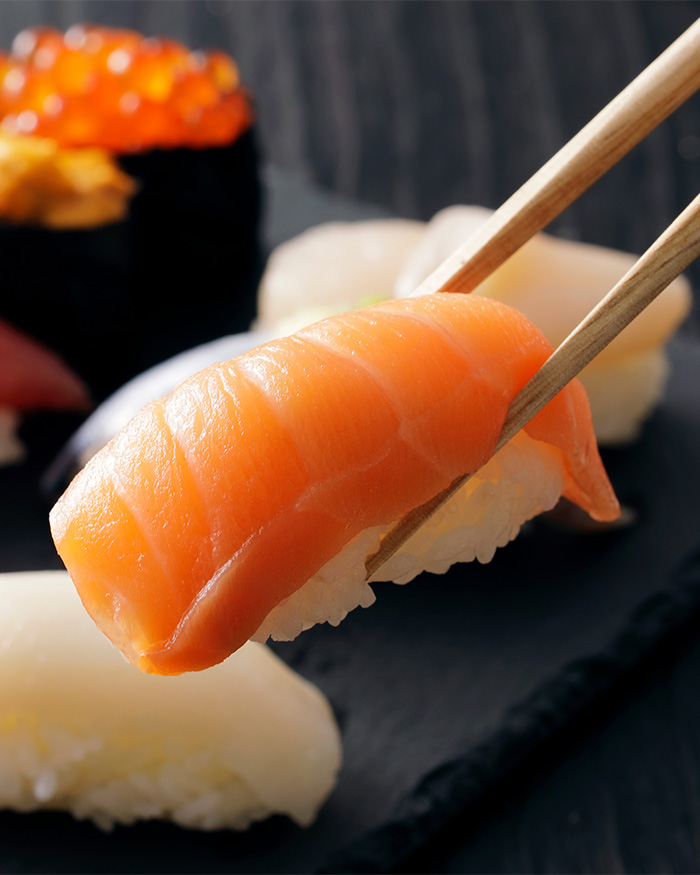
“It’s commonly believed sushi and raw fish/shellfish in general are safe to consume if they’re fresh. However, bacterial contamination cannot be seen or smelled,” he said.
“You may eat at the cleanest, shiniest restaurant and if the fish is contaminated, nothing they do will remove the bacteria.”
Freezing fish can eliminate parasites, he explained, but it does not reliably eliminate Salmonella.
As a result, people at higher risk of severe foodborne illness should avoid raw fish and shellfish.
For Vargas, leaving the hospital was only the beginning of another difficult stage: recovering from the stroke, rebuilding her strength, and learning to manage a chronic illness.
“I’m currently recovering from surgery and paralysis; I’m trying to get back to walking, eating, and moving,” she told her fans in a statement.
“I’m learning more about lupus and living it to the fullest, because when it hurts, it really hurts,” Vargas said. “I’m being treated with several dr*gs, including some that block the sensation of pain in the brain.”
Notably, while her account highlights how rapidly a serious illness can change someone’s life, it does not establish the exact cause of each complication she experienced.
KiddyCare Diaper Caddy Organizer Cart for Nursery Baby Basket Gift for Boy/Girl | Diaper Caddy for Changing Table Basket Organizer with Dividers | Caddy for Baby Stuff Breast Pump Caddy - Regular
$8.95 (as of October 12, 2026 00:58 GMT +00:00 - More infoProduct prices and availability are accurate as of the date/time indicated and are subject to change. Any price and availability information displayed on [relevant Amazon Site(s), as applicable] at the time of purchase will apply to the purchase of this product.)
RIVER OF GOODS LED Boho Ceiling Fan with Hand Woven Brown/Natural Rope - Macrame Knot Work and Hemp Rope Style Eclectic Cottage Decor - 52" L x 52" W - Rich Barnwood/Light Driftwood Fan Blades
(as of October 12, 2026 00:58 GMT +00:00 - More infoProduct prices and availability are accurate as of the date/time indicated and are subject to change. Any price and availability information displayed on [relevant Amazon Site(s), as applicable] at the time of purchase will apply to the purchase of this product.)
White Leaf Baby Food Pouches, Toddler Snack, Mango + Carrot + Banana + Pear | 24 Pack, Organic No Added Sugar, Non-GMO, BPA-Free Regeneratively Farmed, Squeeze Puree Smoothie Pouch for Adults & Children
$69.95 (as of October 12, 2026 00:58 GMT +00:00 - More infoProduct prices and availability are accurate as of the date/time indicated and are subject to change. Any price and availability information displayed on [relevant Amazon Site(s), as applicable] at the time of purchase will apply to the purchase of this product.)
Joking Hazard by Cyanide & Happiness - 360+ Funny & Inappropriate Comic Cards, Hilarious Party Games | Includes Add-Your-Own-Words Cards
$24.95 (as of October 12, 2026 00:58 GMT +00:00 - More infoProduct prices and availability are accurate as of the date/time indicated and are subject to change. Any price and availability information displayed on [relevant Amazon Site(s), as applicable] at the time of purchase will apply to the purchase of this product.)




















Post Comment