Uncovered After Two Centuries: Secret British Chemical Warfare Plot Emerges From War of 1812 Archives
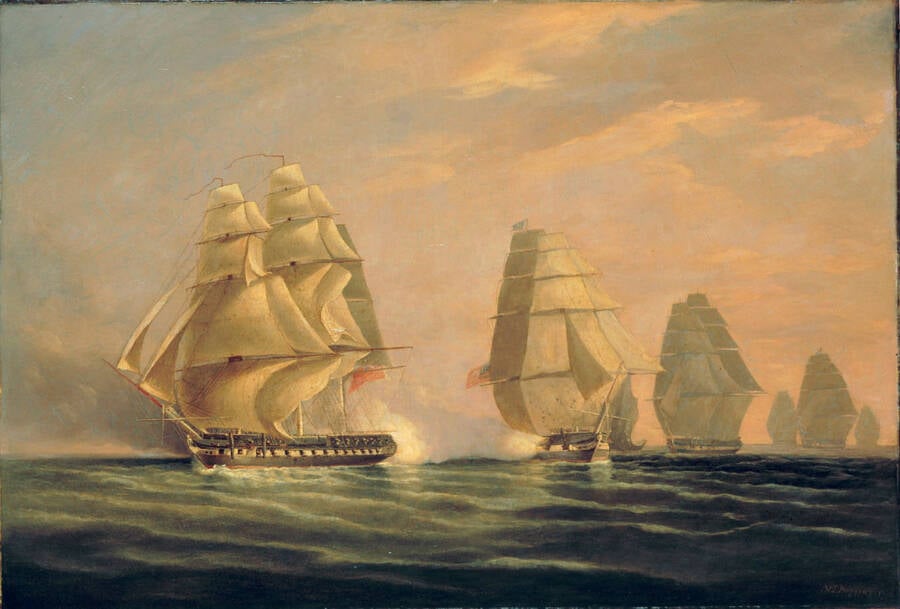
So, picture this: it’s the early 1800s, the War of 1812 is in full swing, and here comes Royal Navy commander Thomas Cochrane with a plan straight out of a mad scientist’s notebook. Instead of just firing cannons or boarding ships like your typical naval battle, Cochrane wanted to load British vessels with sulfur and various flammable junk, sail them smack-dab into the middle of the American fleet, and then—boom!—set the whole thing ablaze, filling the air with toxic fumes to choke out the enemy. Talk about thinking outside the box—or should I say, outside the cannonball? Now, whether this would’ve been history’s first chemical weapons attack or just an epic “what-if” remains to be seen, but one thing’s for sure: Cochrane’s plot was daring, deadly, and downright dramatic. So, what if history took a wild left turn and ships became floating gas bombs? It’s one of those moments that makes you wonder how many other forgotten plans might just be lurking in dusty archives. Dive into this tale of naval audacity and secret schemes that never saw the light of day but sure do make for a heck of a story.
The memo shows that Royal Navy commander Thomas Cochrane hatched a daring scheme to pack ships with sulfur, send them into the heart of the American fleet, and then set them ablaze.
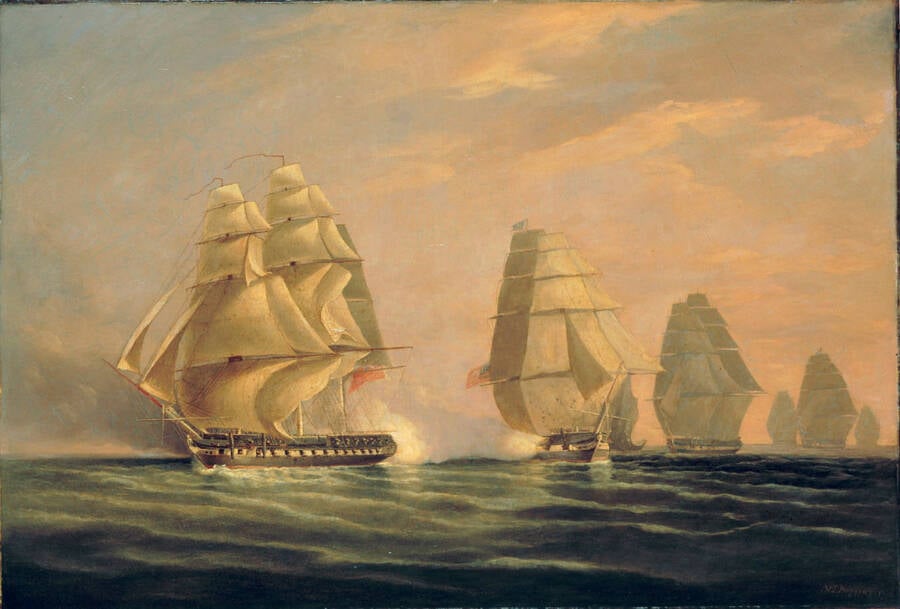
Public DomainA newly-found memo details a British plan to release toxic fumes against U.S. fleets during the War of 1812.
A memo that was recently found in the National Archives of Scotland revealed that Britain had planned a chemical weapons attack on American ships during the War of 1812.
The 23-page document states that Royal Navy commander Thomas Cochrane came up with the idea to deploy toxic sulfur fumes against fleets of U.S. ships. If the plan had come to fruition, it may have been the first chemical weapons attack in history.
The British Plan To Carry Out A Chemical Weapons Attack Against American Ships During The War Of 1812
The document was discovered by historian Peter Moore, who is working on a biography of Cochrane. The memo was written by Cochrane’s secretary in 1844, and displays handwritten annotations by Cochrane himself.
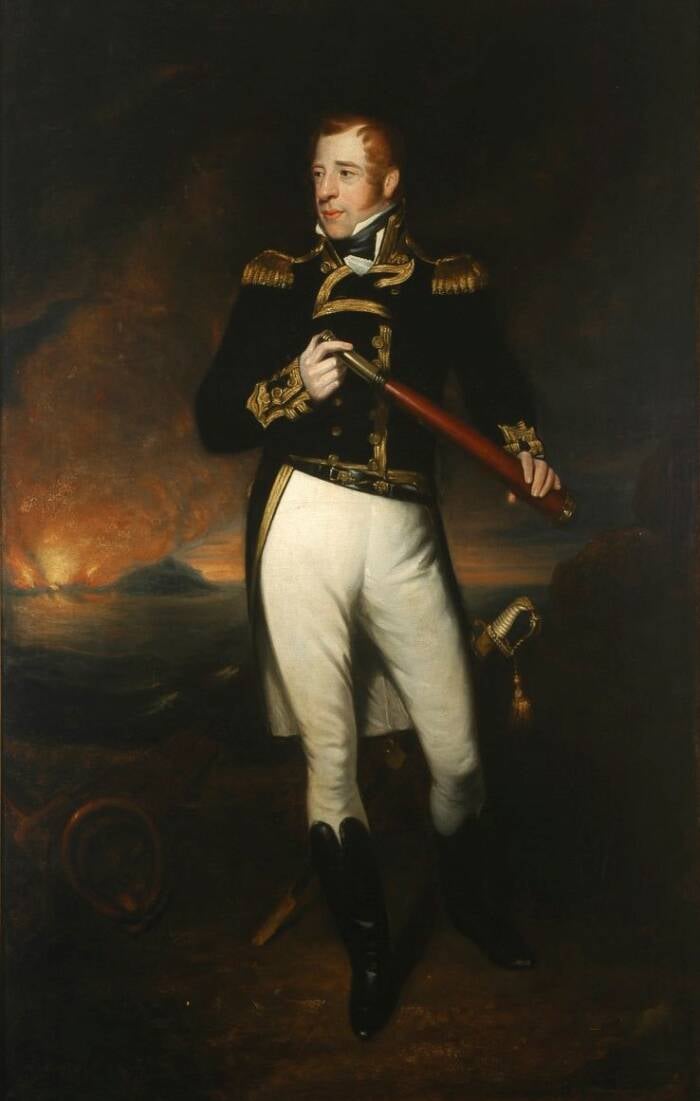
Public DomainThe plan was devised by Royal Navy commander Thomas Cochrane.
Cochrane made his name during the Napoleonic Wars due to his bold naval operations and his skill at developing experimental weapons.
During the War of 1812, he devised a plan to load British ships with sulfur and various flammable materials, then send them into the heart of an American fleet and set them ablaze, resulting in toxic fumes that would smother and cripple the enemy.
The fumes were meant to drive away or debilitate enemy forces, and Cochrane believed that this tactic would help the British overtake forts that would have otherwise been challenging to capture.
Cochrane thought of the plan after visiting Sicily in 1811 and noticing the toxic gases that resulted from sulfur mining. He presented the plan to a secret group of military officials, including the Duke of York and the Prince Regent, who later became King George IV.
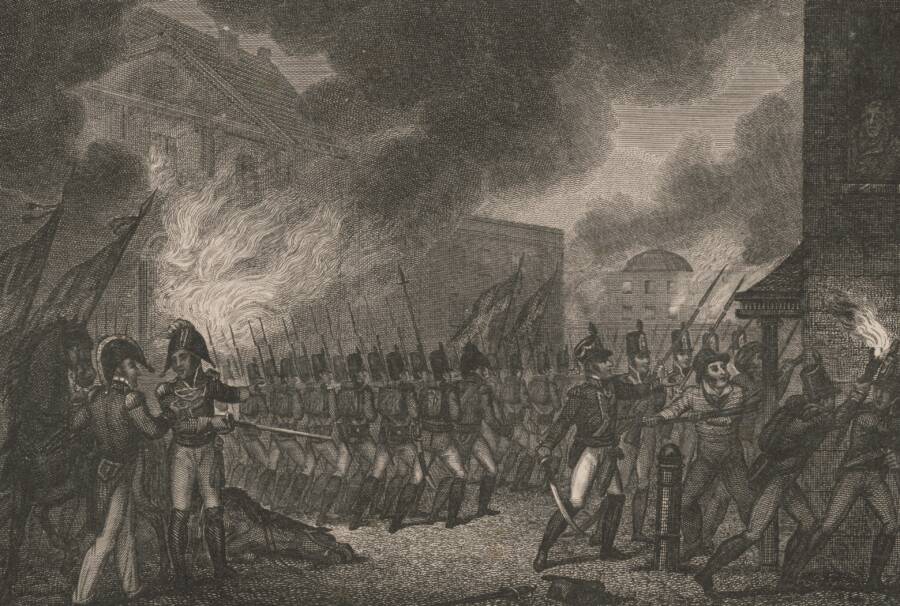
Public DomainBritish forces managed to capture Washington, D.C. and burn the White House, but suffered major losses in New Orleans.
The committee was highly supportive of the plan, but was concerned that once they used this approach, enemy forces would use it back on them. As a result, Cochrane was told to keep the mission secret.
When Cochrane’s uncle, Vice-Admiral Alexander Cochrane, was appointed commander-in-chief of the British navy operating in North America, Thomas Cochrane was chosen to be his flag captain and was expected to command the HMS Tonnant.
In the memo, Cochrane indicated that his uncle intended to call for the chemical attack if necessary, although the exact target was not identified. According to the document, New York, Baltimore, or New Orleans might have been the targets — had they gone through with it.
How This Memo Contributes To Our Understanding Of Military History
In the end, the plan fell apart before Cochrane could leave for his mission. In 1814, he was convicted in a London Stock Exchange fraud scheme in which a hoax was spread that Napoleon died, leading to a sharp rise in share prices.
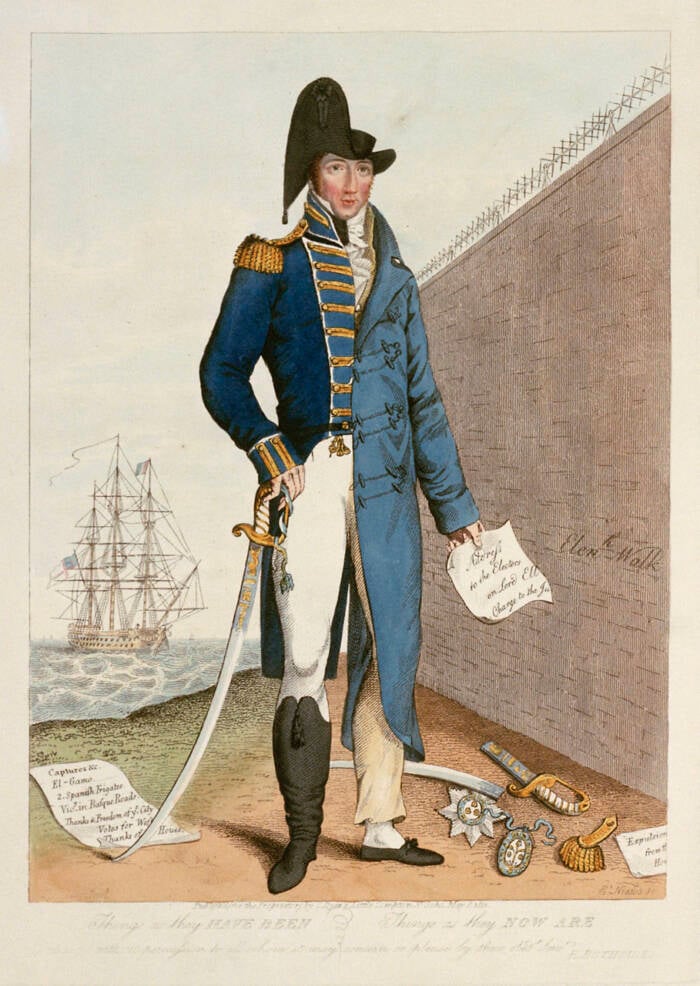
Public DomainA political cartoon showing Cochrane as both a naval commander and a disgraced civilian after his fraud conviction.
After his conviction, Cochrane was kicked out of parliament and removed from naval service in North America. Still, Cochrane was influential in Chile and Brazil, helping to organize their revolutionary navies during their wars for independence in the 1820s. In 1832, Cochrane was pardoned in Britain, and he died in 1860 with the rank of Admiral of the Red and honorary Rear-Admiral of the United Kingdom.
Although Britain managed to capture Washington, D.C. and burn the White House during the War of 1812, they faced a major defeat in New Orleans before the war ended in early 1815. Cochrane apparently believed that the war would have had a different outcome if his chemical weapons plans had been carried out.

CE Certified Fire Blanket for Home and Kitchen-Fireproof Emergency Blanket | Thick Fire Blankets Emergency for Home and Kitchen.500GSM Fire Retardant Blanket.(74in 10pc) 1500F Heat Tolerant by Supa Ant.
$50.00 (as of October 4, 2026 00:55 GMT +00:00 - More infoProduct prices and availability are accurate as of the date/time indicated and are subject to change. Any price and availability information displayed on [relevant Amazon Site(s), as applicable] at the time of purchase will apply to the purchase of this product.)
RIVER OF GOODS Coastal 52 Inch Wooden Bead LED Ceiling Fan, Brown
(as of October 4, 2026 00:55 GMT +00:00 - More infoProduct prices and availability are accurate as of the date/time indicated and are subject to change. Any price and availability information displayed on [relevant Amazon Site(s), as applicable] at the time of purchase will apply to the purchase of this product.)
RIVER OF GOODS LED Boho Ceiling Fan with Hand Woven Brown/Natural Rope - Macrame Knot Work and Hemp Rope Style Eclectic Cottage Decor - 52" L x 52" W - Rich Barnwood/Light Driftwood Fan Blades
(as of October 4, 2026 00:55 GMT +00:00 - More infoProduct prices and availability are accurate as of the date/time indicated and are subject to change. Any price and availability information displayed on [relevant Amazon Site(s), as applicable] at the time of purchase will apply to the purchase of this product.)
1MORE Triple Driver In-Ear Headphones - Silver - Wired - Adult - In Ear - 18 grams - 90 days limited warranty
(as of October 4, 2026 00:55 GMT +00:00 - More infoProduct prices and availability are accurate as of the date/time indicated and are subject to change. Any price and availability information displayed on [relevant Amazon Site(s), as applicable] at the time of purchase will apply to the purchase of this product.)