Ancient Hittite Tablet Unveils Startling Clues That Could Rewrite the History of the Trojan War
So here’s the kicker: we’ve all heard the epic tales from Homer’s Iliad and Odyssey—gods meddling, heroes clashing, a wooden horse sneaking past walls—but how much of that actually happened? History’s been playing hard to get, with very few records backing up Homer’s blockbuster saga. Enter a dusty old Hittite tablet, possibly holding the keys to this ancient mystery. Could this slab of clay really tell us what’s fact, what’s fiction, and what’s someone’s overactive imagination? The war that’s sparked endless debates might just be hiding in plain sight under a different name, but the truth? Well, it’s buried under layers of burnt ruins and legends. Strap in, because separating the mythic melodrama from cold, hard history might turn out to be the ultimate plot twist. LEARN MORE
There are few historical records that suggest the Trojan War occurred as Homer described in the Iliad and the Odyssey, but a Hittite tablet may help separate fact from fiction.
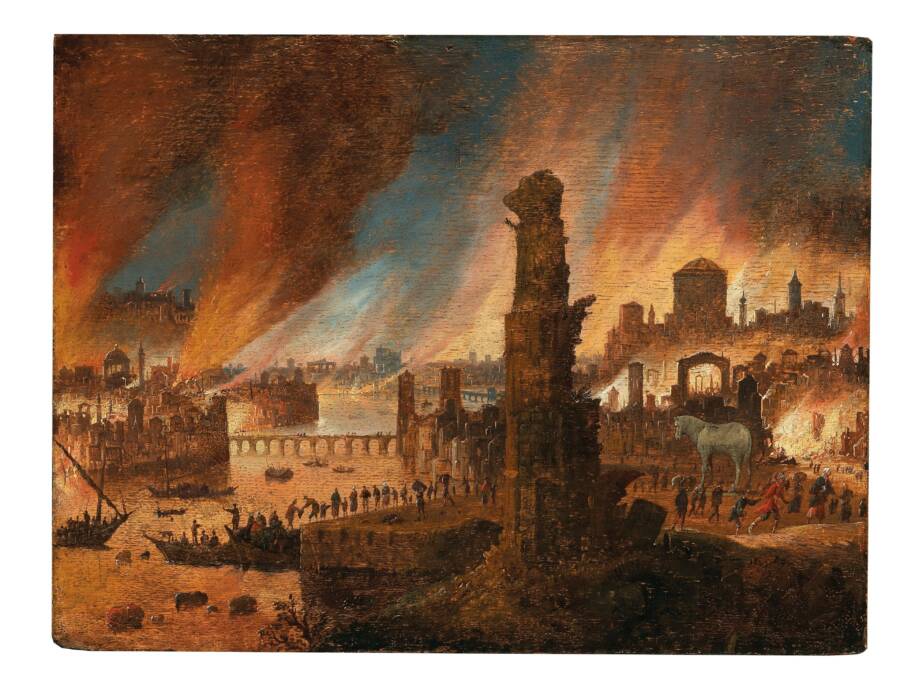
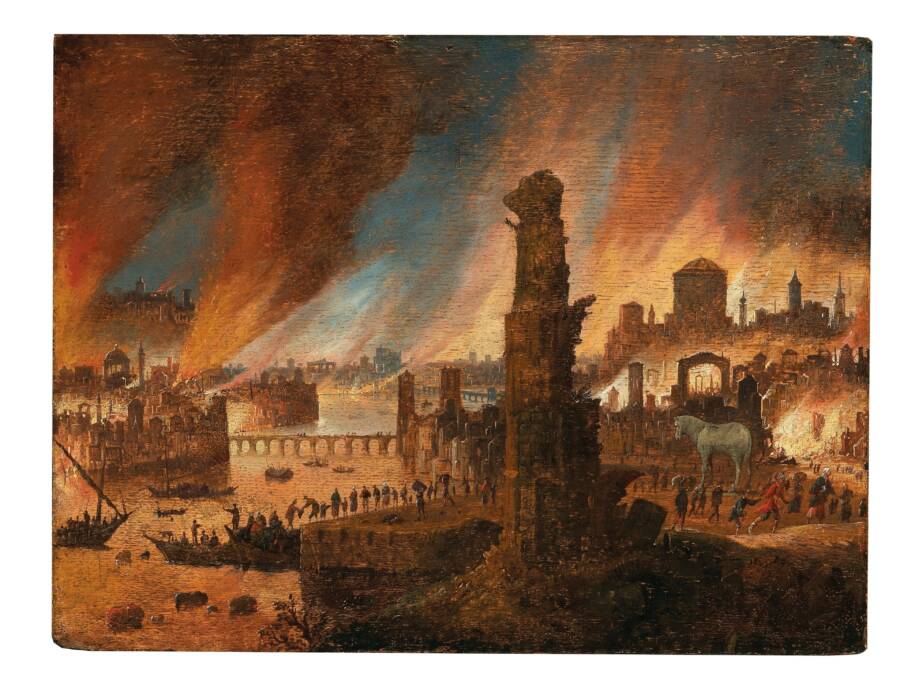
Public DomainA 17th-century depiction of the burning of Troy by Dutch painter Dirk Verhaert.
Stories from ancient Greece are often filled with extraordinary tales of gods and giants. But could some of these stories be true?
For centuries, historians have debated the veracity of the documented stories of ancient Greece. While there are some texts that appear to be recording the civilization’s history to the best of the writers’ abilities, there are others that are clearly fictional — but that may be referencing actual historical events.
One of the topics of the fiercest scholarly debate in this regard is the Trojan War. Given that it’s referenced in Homer’s Iliad and Odyssey, sorting out fact from fiction is incredibly difficult, with historians limited to the comparatively small amount of archeological and written evidence that remains.
Still, there are a few pieces of archeological evidence that make the validity of the Trojan War hard for some to deny. For example, a Hittite cuneiform tablet may hold the key to understanding what really happened and what is likely a myth.
The Hittite Tablet That May Reference The Trojan War
As Christopher Nolan’s The Odyssey takes over the box office, social media has been filled with discussions of the Trojan War. One such conversation has centered on a Hittite tablet, which TikTok user and amateur historian Sarah (@artemiscollective) recently discussed in a video with over 114,000 views.
Sarah’s version of the story is similar to one often shared around the internet: A Hittite tablet recorded a political relationship between two ancient kings — and, with a close reading, may provide evidence that the Trojan War really occurred.
The Alaksandu Treaty is generally dated to the 13th century B.C.E., during the reign of Hittite king Muwatalli II. The treaty itself is directed at a king named Alaksandu and references a city called Wilusa.
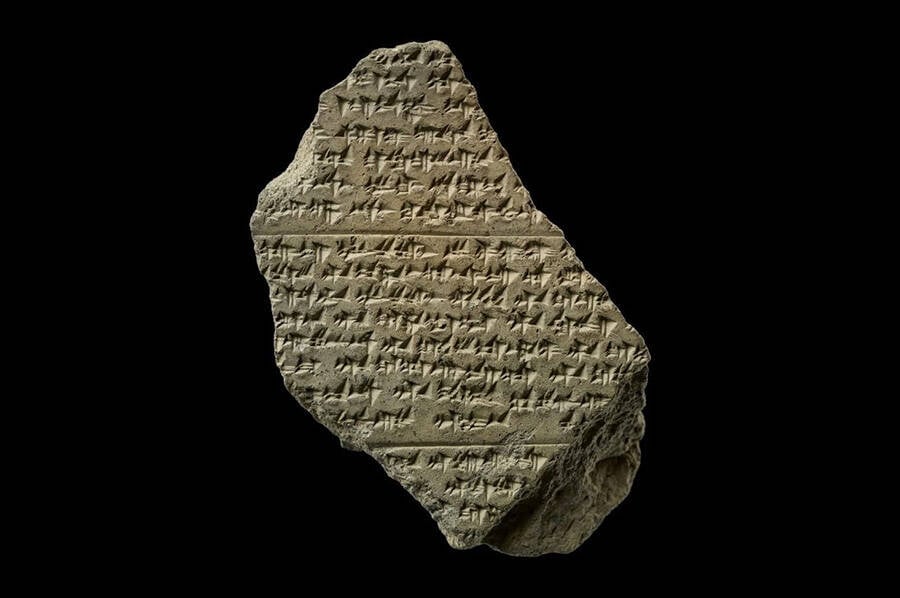
The Trustees of the British MuseumA Hittite tablet that mentions “Wilusa.” Turkey, c. 1300 B.C.E.
While these names may seem unfamiliar, historians think that they could be referencing known locations. For example, Wilusa may be the city of Troy. The name Wilusa could be related to Wilios, the older form of Homer’s name for Troy, Ilios.
There is evidence, both in this Hittite tablet and elsewhere, for the existence of Wilusa and its king, Alaksandu. This name could provide another key: It resembles the Greek “Alexandros,” another name for the Trojan prince Paris, though there is no direct evidence that Alaksandu was the historical Paris.
Other Hittite documents reference a people called “Ahhiyawa.” These could have been the Mycenaean Greeks — potentially, Homer’s Achaeans.
Other Evidence Supporting The Existence Of The Trojan War
These documents do not prove the existence of the Trojan War. That said, they show that individual parts of the story may be real, or at least based on actual people and places.
To date, archeologists have discovered significant evidence that Troy was a real place and that something happened there. Beyond that, however, things are a bit of a mystery.
Archeologists have discovered a large fortified city that clearly experienced conflict. There is evidence that inhabitants prepared for danger, specifically by storing provisions. There is also evidence of burnt buildings, human remains, arrowheads, and sling stones.
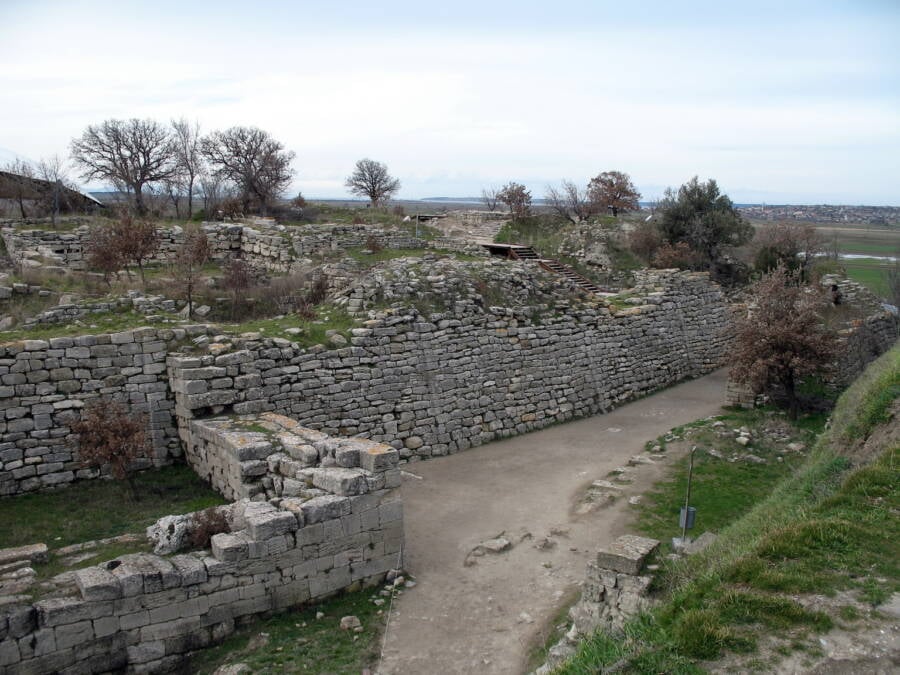
Bgabel/Wikimedia CommonsThe ruins of the ancient city in Turkey that archaeologists believe to be Troy.
However, this only suggests that a conflict likely took place in the city. It does not mean that the Trojan War took place as described — or even occurred at all. Proving the Trojan War as it has been mythologized would require many additional discoveries.
For example, written evidence of the Trojan War is essentially non-existent. There is no contemporary account of a Greek siege, nor are there any inscriptions naming Achilles, Hector, Priam, Helen, or Agamemnon.
Physical evidence of the war — especially in the way that it has been described — is also lacking. There are no signs of Greek encampment, no identifiable mass grave of Greek attackers, no evidence for a literal Trojan horse, and no records that suggest any siege lasted for 10 years.

The Door Balancer Eliminates The Need for Door Props, Door Stops and Door Wedges
(as of October 24, 2026 01:02 GMT +00:00 - More infoProduct prices and availability are accurate as of the date/time indicated and are subject to change. Any price and availability information displayed on [relevant Amazon Site(s), as applicable] at the time of purchase will apply to the purchase of this product.)
Joking Hazard by Cyanide & Happiness - 360+ Funny & Inappropriate Comic Cards, Hilarious Party Games | Includes Add-Your-Own-Words Cards
$24.95 (as of October 24, 2026 01:02 GMT +00:00 - More infoProduct prices and availability are accurate as of the date/time indicated and are subject to change. Any price and availability information displayed on [relevant Amazon Site(s), as applicable] at the time of purchase will apply to the purchase of this product.)
PROMIXX FORM Protein Shaker Bottle - A Premium Shaker Bottle for Protein Shakes Infusions and Hydration - Durable Gym Shaker Bottle, Leakproof Lid, Odorless - 26oz (Graphite Gray)
$12.99 (as of October 24, 2026 01:02 GMT +00:00 - More infoProduct prices and availability are accurate as of the date/time indicated and are subject to change. Any price and availability information displayed on [relevant Amazon Site(s), as applicable] at the time of purchase will apply to the purchase of this product.)
RIVER OF GOODS Mid-Century Modern Transitional LED Bronze Chrome Ceiling Fan - 52" L x 52" W - Rich Barnwood/Light Driftwood Fan Blades - Metallic Ceiling Fan with Light and Fabric Shade
(as of October 24, 2026 01:02 GMT +00:00 - More infoProduct prices and availability are accurate as of the date/time indicated and are subject to change. Any price and availability information displayed on [relevant Amazon Site(s), as applicable] at the time of purchase will apply to the purchase of this product.)