Mom Demands Nanny Postpone Life-Saving Surgery—The Shocking Response She Never Saw Coming

Ever gotten a punch to the gut when life throws you a curveball—like a cancer diagnosis? You’d think when someone’s facing the biggest battle of their life, a sprinkle of empathy would come free with the territory. Turns out, it’s a rare commodity. Imagine being a babysitter about to undergo life-saving surgery, only to have an entitled client expecting you to drop everything and work like it’s just another Monday morning. Welcome to the wild world of u/curlygirly420, whose shocking tale of toxic entitlement will make you wonder if kindness took a wrong turn somewhere. Buckle up for the drama, the cold hard truth about empathy, and a reality check that’s anything but gentle. Ready to dive in? LEARN MORE
Finding out that you have cancer is one of the most shocking things that can ever happen to you. When you’re this vulnerable, it is normal to expect a bit of empathy from the people around you—including from your clients. Basic kindness should be common sense, right? Well, as it turns out, common sense is quite in rare supply.
Babysitter u/curlygirly420 spilled the tea about how one heartless, toxic, and overly entitled mom tried to force her to work instead of getting life-saving cancer surgery. Keep reading for the full story and the drama-filled update, in the author’s own words.
It’s devastating when the people close to you end up showing just how unkind they are
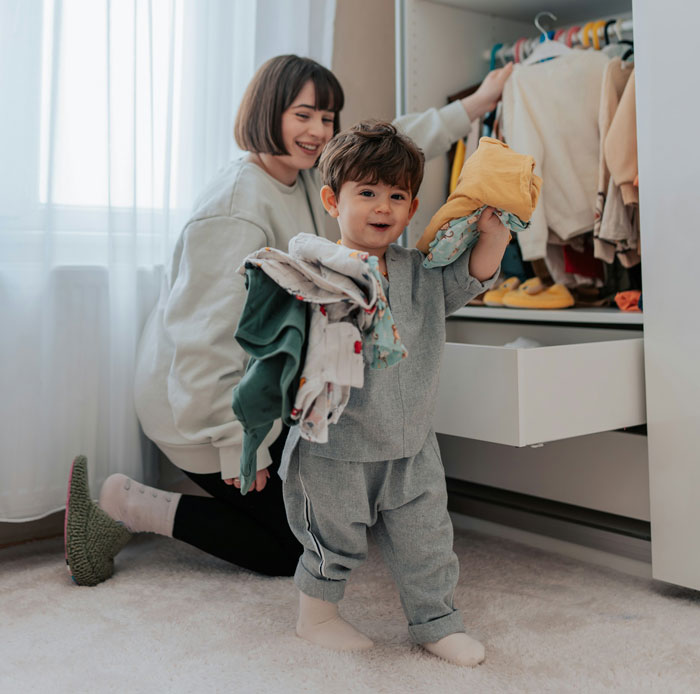
This babysitter revealed how her clients reacted to her cancer diagnosis, and it was shocking
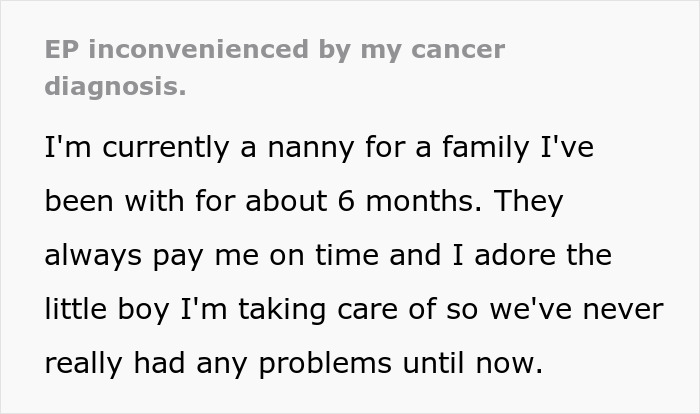
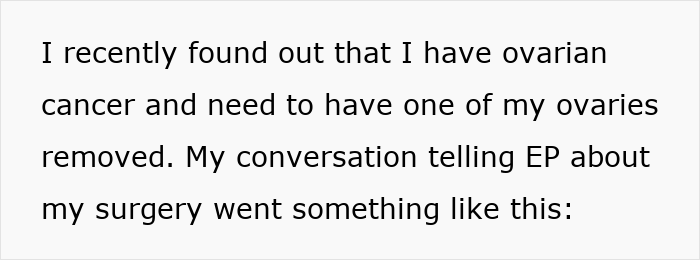
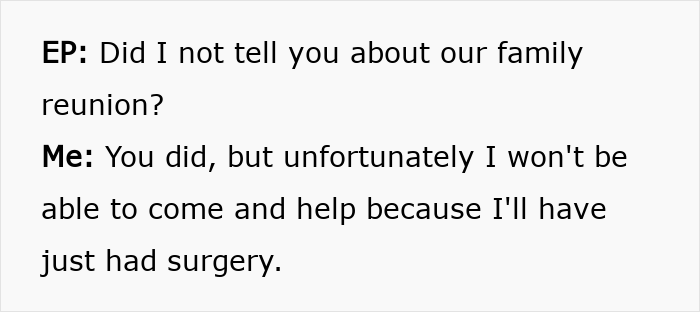
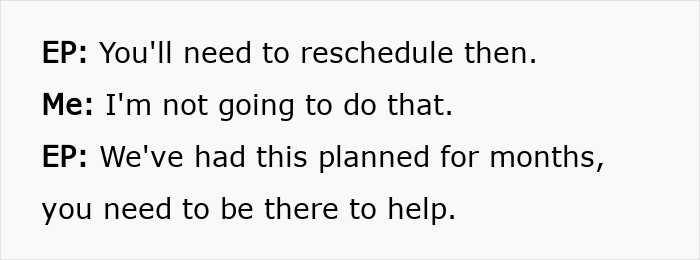

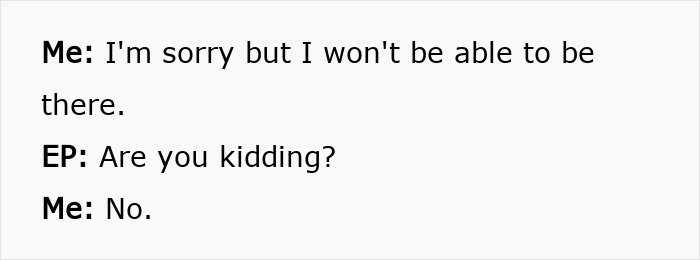
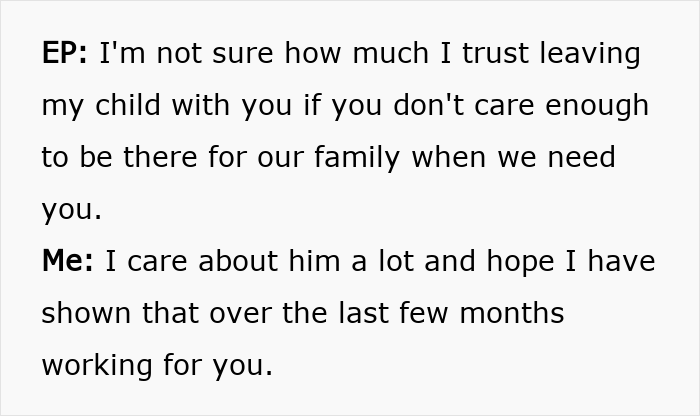
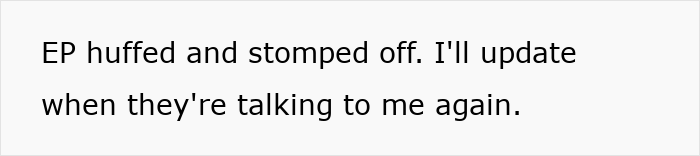
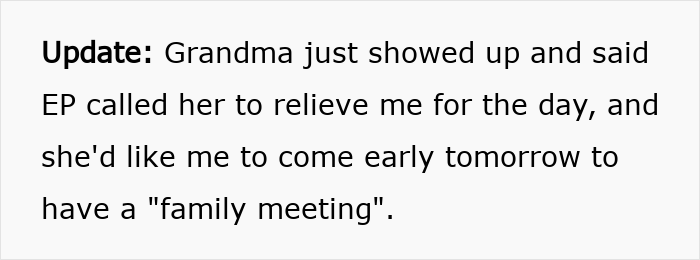
The woman shared more details in the comments, as her story started going viral
The internet weighed in with some perspectives

A lack of empathy might indicate more serious underlying problems
There will be moments in everyone’s lives when we are unkind or lack empathy. We might be stressed, anxious, struggle with physical or mental health issues, or there’s something else going on. In some cases, a lack of empathy can result from things like depression and unhealthy family dynamics, PsychCentral points out.
Other times, low empathy is linked to factors such as narcissistic personality disorder, psychopathy, antisocial personality disorder, autism, borderline personality disorder, Machiavellianism, etc.
Typically, individuals who lack empathy are incredibly critical and judgmental, call other people too sensitive, behave inappropriately in social situations, struggle to understand how their behavior affects others, and have issues maintaining relationships.
For example, a person who has a lower baseline for empathy might criticize others for experiencing or expressing emotions. Or they might blame the person for what they’re experiencing.
Furthermore, they might boast about how they’d handle similar situations far better, and how they’d never make ‘mistakes’ that land them in distressful situations. In short, there’s an underlying tone of smugness, arrogance, and superiority. Low-empathy individuals also struggle to actively listen to you and might be indifferent when you’re super stressed or sad.
Long story short, a lack of empathy is disturbing because it undermines relationships, cooperation, and social interactions.

Luckily for everyone, empathy is something you can cultivate, even if it’s difficult
“In general, empathy is a powerful predictor of things we consider to be positive behaviors that benefit society, individuals, and relationships. Scholars have shown across domains that empathy motivates many types of prosocial behaviors, such as forgiveness, volunteering, and helping, and that it’s negatively associated with things like aggression and bullying,” social psychology professor Karina Schumannopens, at the University of Pittsburgh, told the American Psychological Association.
The good news is that empathy can be cultivated with enough practice and patience, even if you’re not naturally gifted in social situations. According to Sara Konrath, PhD, an associate professor of social psychology at Indiana University, it is best to focus on an other-oriented perspective, more commonly known as compassion. “It’s a cognitive style of perspective taking where someone imagines another person’s perspective, reads their emotions, and can understand them in general.”
John Dovidio, PhD, the Carl I. Hovland Professor Emeritus of Psychology and a professor emeritus in the Institute for Social and Policy Studies and of Epidemiology at Yale University, adds that simply understanding that someone is in trouble might not spur you to act. However, “emotion energizes me.”
One of the main ways to grow your capacity for empathy is to actively try to be open-minded. Expose yourself to differences between people, consume diverse media, and pay attention to different experiences and perspectives. The goal is to connect with others and listen to them, even if you don’t (initially) agree with their views.
RIVER OF GOODS Stained Glass Magna Carta LED Ceiling Fan - 52" L x 52" W - Tiffany Style - Flush Mount Ceiling Fan with Remote - Teal
(as of October 22, 2026 01:01 GMT +00:00 - More infoProduct prices and availability are accurate as of the date/time indicated and are subject to change. Any price and availability information displayed on [relevant Amazon Site(s), as applicable] at the time of purchase will apply to the purchase of this product.)
Fire Blanket - 1500F CE Certified Emergency Fire Blanket for Home & Kitchen | 500GSM Fabric & 0.5mm Thick - 100% Fiberglass Fire Extinguisher for Car,Warehouse Office - 2pc (47x47 inches) by Supa Ant
$53.45 (as of October 22, 2026 01:01 GMT +00:00 - More infoProduct prices and availability are accurate as of the date/time indicated and are subject to change. Any price and availability information displayed on [relevant Amazon Site(s), as applicable] at the time of purchase will apply to the purchase of this product.)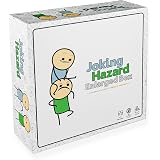
Joking Hazard Enlarged Box Empty Box for Card Storage
$12.00 (as of October 22, 2026 01:01 GMT +00:00 - More infoProduct prices and availability are accurate as of the date/time indicated and are subject to change. Any price and availability information displayed on [relevant Amazon Site(s), as applicable] at the time of purchase will apply to the purchase of this product.)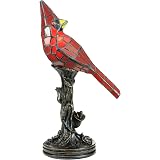
RIVER OF GOODS Stained Glass Bird Accent Lamp - 8" W x 13.5" H - Tiffany Style Table Lamps for Home, Office Desk, Bedroom, Nightstand - Blue Jay Decor
$79.99 (as of October 22, 2026 01:01 GMT +00:00 - More infoProduct prices and availability are accurate as of the date/time indicated and are subject to change. Any price and availability information displayed on [relevant Amazon Site(s), as applicable] at the time of purchase will apply to the purchase of this product.)