Shocking New Revelations About Brock Turner’s Whereabouts Ignite Public Outrage—What They Found Will Shock You
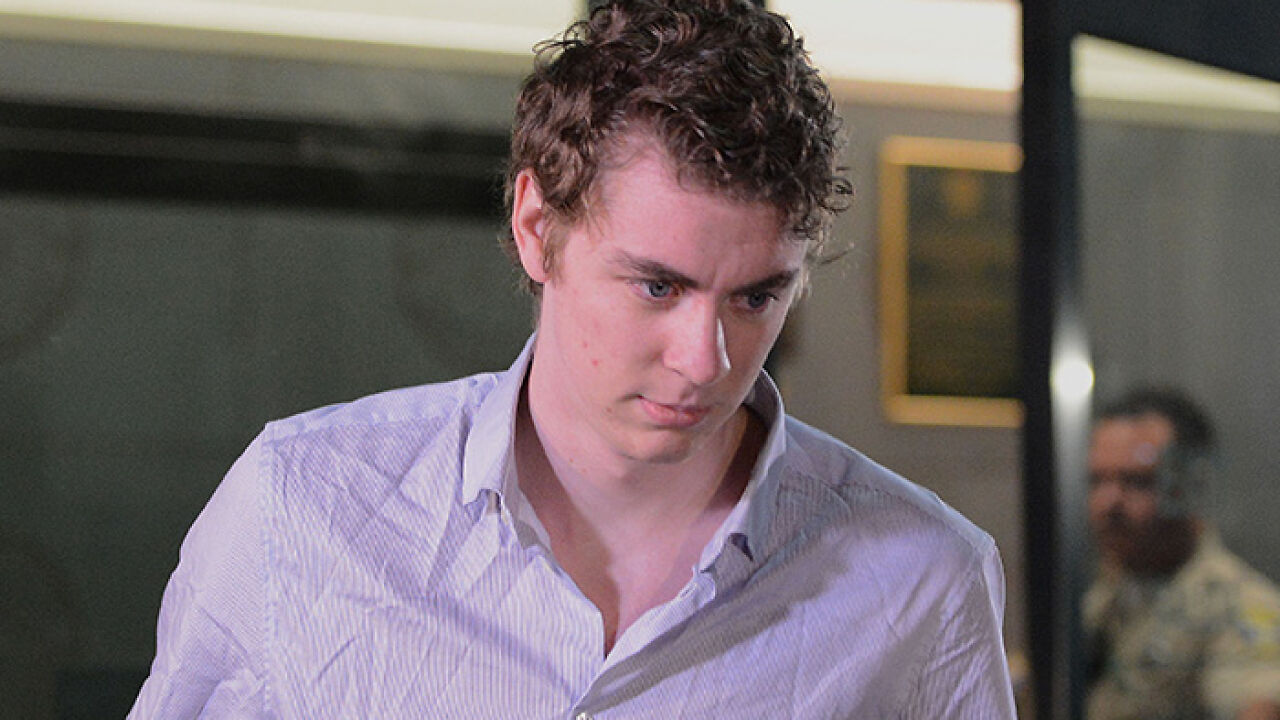
Ten years have zipped by since Brock Turner’s name first blasted across headlines, his shocking sexual assault conviction at Stanford igniting a firestorm of outrage over his shockingly light sentence. Now, curiosity and controversy swirl anew as online sleuths peer into the shadows, hunting for where this disgraced ex-swimmer has landed and what life looks like under the radar in Ohio. It’s a classic case of “Where in the world is Brock Turner?” complete with whispers of a new alias — “Allen Turner” — and fresh tidbits about his post-prison existence. But can anyone really escape the glare of a past that changed so many lives? Buckle up, because the story that stirred nationwide indignation is stirring up the internet once again. LEARN MORE.
Ten Years after Brock Turner was released following his s*xual a*sault conviction, online users are now trying to track down where he is and what he has been doing.
Turner was a Stanford student and swimmer when he was convicted of three felony s*xual a*sault charges in 2016.
His short jail sentence caused widespread outrage, while Chanel Miller’s powerful victim impact statement became one of the most widely shared parts of the case.
- Brock Turner was convicted of three felony s*xual a*sault charges in 2016.
- Turner was required to register as a s*x offender for life.
- Online claims about Turner using the name “Allen Turner” and his personal life have circulated.
Now, people online claim they have found recent information about Turner’s life in Ohio.
One person posted, “Current registry photo. Dayton Ohio. Stay on their necks forever.”
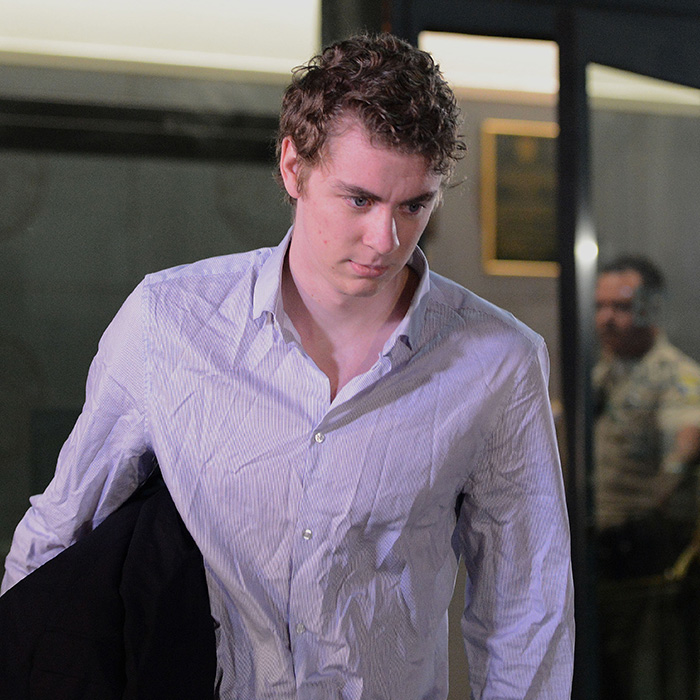
Brock Turner became known around the world after his highly publicized 2016 conviction
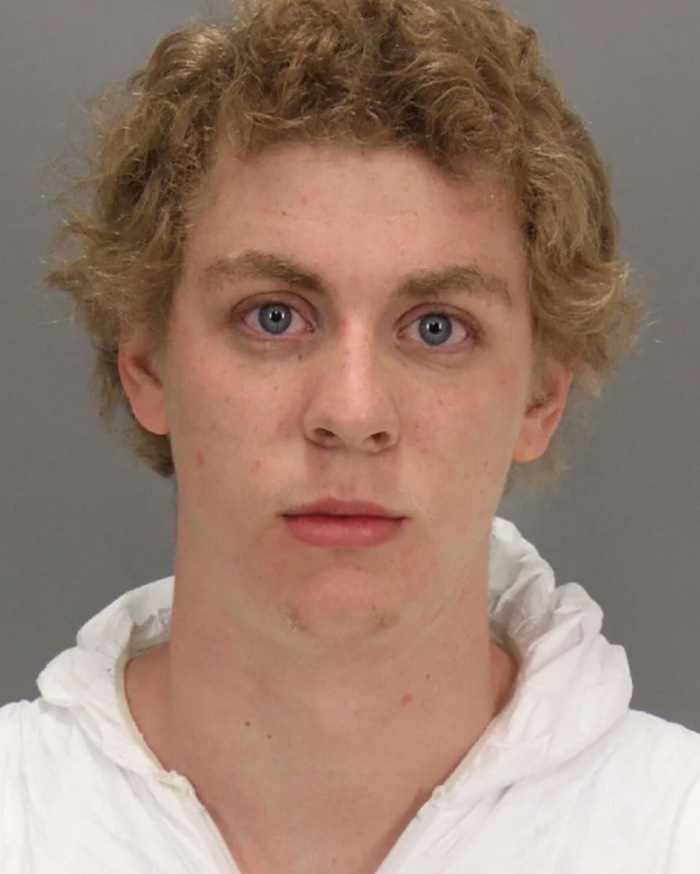
The case began in January 2015, when Turner was a 19-year-old Stanford student-athlete.
On January 18, he s*xually a*saulted 22-year-old Chanel Miller while she was unconscious on the Stanford campus, according to the case record.
Two Swedish graduate students came across the as*ault and intervened before police arrived.
Turner was initially charged with five offenses, including two r*pe charges, two s*xual as*ault charges, and attempted r*pe. The two r*pe charges were later dropped at a preliminary hearing.
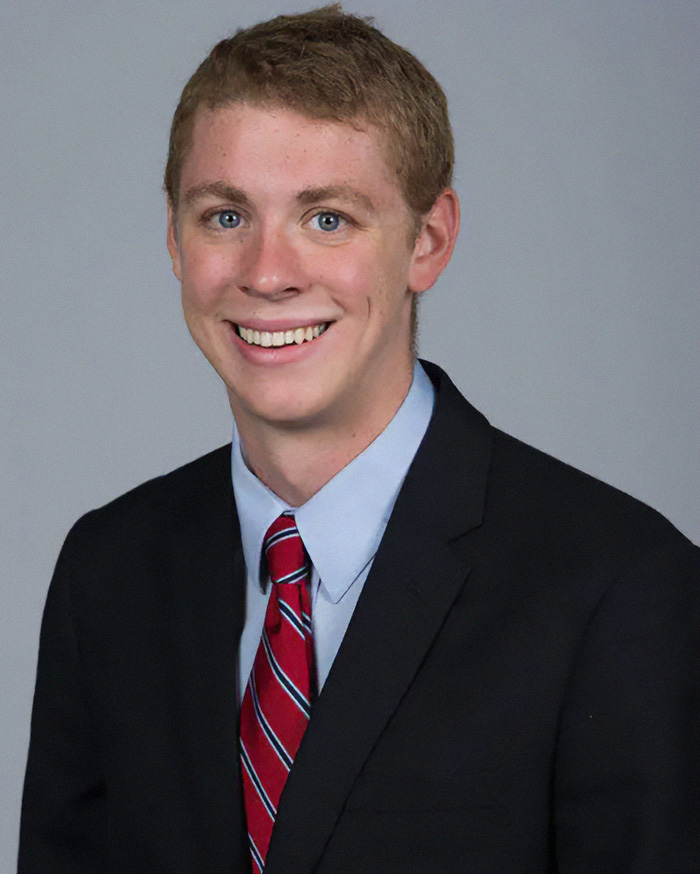
On March 30, 2016, a jury found him guilty of three felony s*xual a*sault charges.
Judge Aaron Persky sentenced Turner to six months in county jail and three years of probation.
He was also ordered to register as a s*x offender for life and complete a rehabilitation program.
Turner served three months and was released on September 2, 2016, for good behavior. His appeal was later rejected.
The sentence became one of the most controversial parts of the entire case.
Turner’s three-month jail sentence sparked nationwide outrage
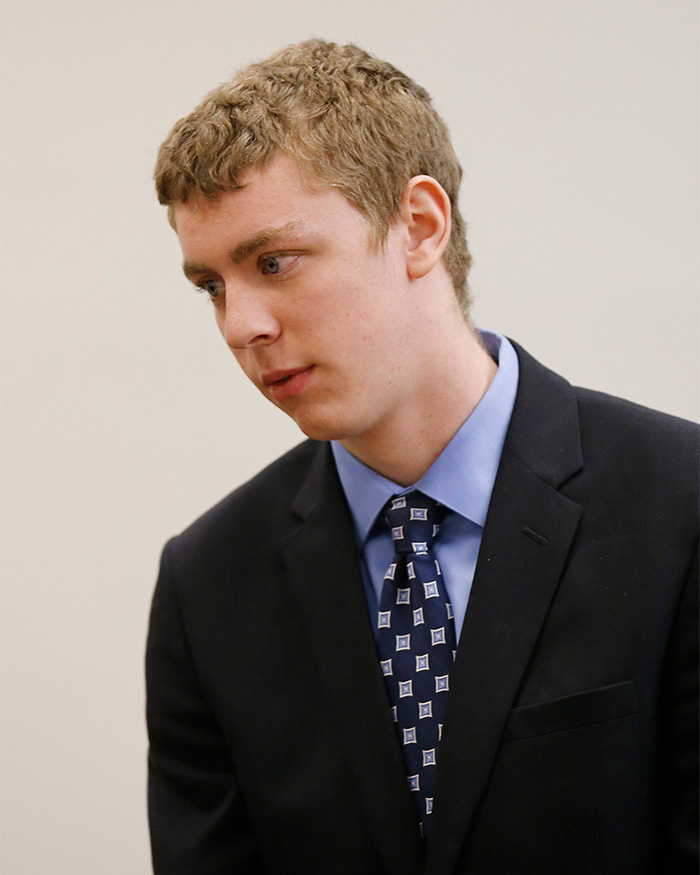
Prosecutors had asked for a six-year prison sentence.
Instead, Turner received six months in county jail and ultimately served only half.
The decision led to widespread criticism of Judge Persky. Critics and victims’ rights advocates described his sentencing as too lenient, and a campaign was eventually launched to remove him from the bench.
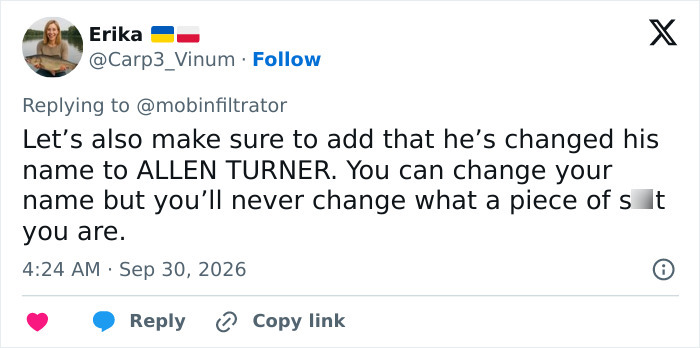
Turner’s father also faced intense backlash after asking the court for leniency.
In a letter to the judge, he described the sentence as “a steep price to pay for 20 minutes of action out of his 20-plus years of life.” Santa Clara County District Attorney Jeffrey Rosen criticized the wording, saying it reduced a brutal s*xual a*sault to “20 minutes of action.”
The public reaction eventually had consequences for Persky.
In the June 2018 recall election, voters removed him from office. The vote made Persky the first California judge recalled by voters in 86 years.
Despite receiving a 3-month sentence, it was Chanel Miller’s statement that changed the conversation around the case
Miller’s victim impact statement, which she read during Turner’s sentencing, spread around the world.
She later released the statement publicly, and it was viewed millions of times online.
In it, Miller described how the a*sault had affected her life, writing, “You took away my worth, my privacy, my energy, my time, my safety, my intimacy, my confidence, my own voice, until today.”
She also argued that Turner’s status as a Stanford athlete should not have given him any special treatment.
“The fact that Brock was a star athlete at a prestigious university should not be seen as an entitlement to leniency,” she wrote.
In 2019, Miller revealed her identity and published her memoir, Know My Name.
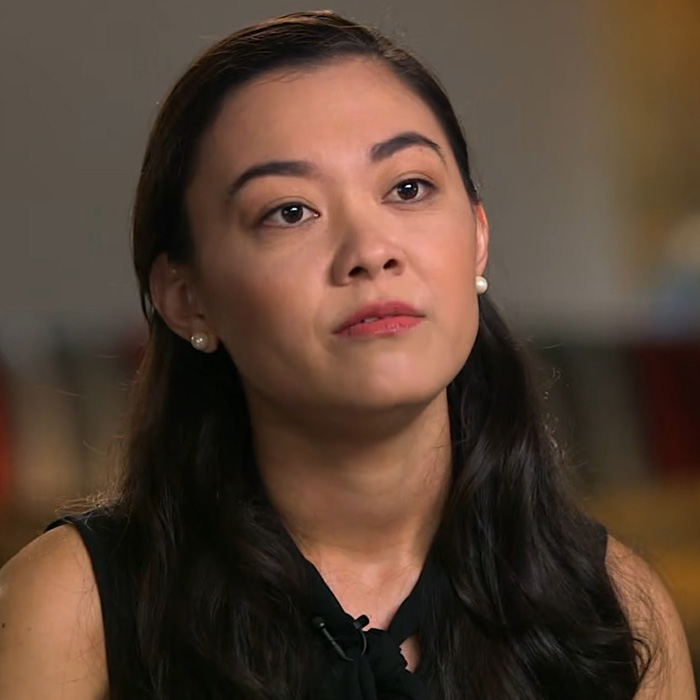
The book detailed the a*sault, the trial, and what happened afterward. Miller said writing it allowed her to reclaim her own story after years of being publicly referred to only through labels such as “Emily Doe.”
Furthermore, after the conviction, Turner’s future on the U.S. Olympic team disappeared.

White Leaf Baby Food Pouches, Toddler Snack, Mango + Carrot + Banana + Pear | 24 Pack, Organic No Added Sugar, Non-GMO, BPA-Free Regeneratively Farmed, Squeeze Puree Smoothie Pouch for Adults & Children
$69.95 (as of September 30, 2026 00:52 GMT +00:00 - More infoProduct prices and availability are accurate as of the date/time indicated and are subject to change. Any price and availability information displayed on [relevant Amazon Site(s), as applicable] at the time of purchase will apply to the purchase of this product.)
Skater Trainer Wheels - Beginners get Skateboard Tricks Fast, Safe and Fun | Viral accessory gift - Helps beginners stay excited about their new skateboard - Kids & parents love these
$28.99 (as of September 30, 2026 00:52 GMT +00:00 - More infoProduct prices and availability are accurate as of the date/time indicated and are subject to change. Any price and availability information displayed on [relevant Amazon Site(s), as applicable] at the time of purchase will apply to the purchase of this product.)
KiddyCare Diaper Caddy Organizer Cart for Nursery Baby Basket Gift for Boy/Girl | Diaper Caddy for Changing Table Basket Organizer with Dividers | Caddy for Baby Stuff Breast Pump Caddy - Regular
$9.95 (as of September 30, 2026 00:52 GMT +00:00 - More infoProduct prices and availability are accurate as of the date/time indicated and are subject to change. Any price and availability information displayed on [relevant Amazon Site(s), as applicable] at the time of purchase will apply to the purchase of this product.)
1MORE Triple Driver in-Ear Earphones Hi-Res Headphones with High Resolution, Bass Driven Sound, MEMS Mic, in-Line Remote, High Fidelity for Smartphones/PC/Tablet - Silver
$69.99 (as of September 30, 2026 00:52 GMT +00:00 - More infoProduct prices and availability are accurate as of the date/time indicated and are subject to change. Any price and availability information displayed on [relevant Amazon Site(s), as applicable] at the time of purchase will apply to the purchase of this product.)


















Post Comment