Instagram’s Controversial New Feature Sparks Outrage and Relationship Fears—What You Need to Know!

So, Instagram just rolled out a feature that lets you pixelate folks in your Stories with just a text prompt—no more tedious sticker slapping or awkward doodling over faces. Sounds like a dream for those navigating the murky waters of “soft launching” a relationship, right? You know the drill: the subtle restaurant table footsie or a mysteriously cropped shoulder in a beach photo, hinting at a new flame without actually saying it aloud. But hold up—this pixel blur thing? It’s stirring up quite the drama. Some say it’s a handy tool to protect privacy, while others claim it’s the digital equivalent of an online slap in the face—like, “Why am I pixelated? Are we even official, or am I just a ‘maybe’?” Sure, hiding your partner like they’re a witness in a crime thriller might save face…or start an argument. Either way, Instagram’s given us a new way to play the relationship guessing game. Ready to pixelate or just pixel-pout?
The art of the soft launch just got even easier thanks to a new Instagram feature, but some are slamming the new tool as awkward and embarrassing.
New relationships can be hard to navigate, when should you become official, when can you share them online?
If you suddenly start seeing a load of blurry and pixelated Stories, don’t worry, your phone hasn’t broken.
Instagram has now introduced a new function which allows users pixel-blur people in their posts.
While it might have been designed as a handy editing tool, some users have already found a rather more awkward use for it: hiding your partner.
The new Pixel effect allows users to blur people or objects in a photo using a text prompt.
Rather than manually covering someone’s face with a sticker or drawing over them, users can ask Instagram to pixelate a particular person or part of an image.
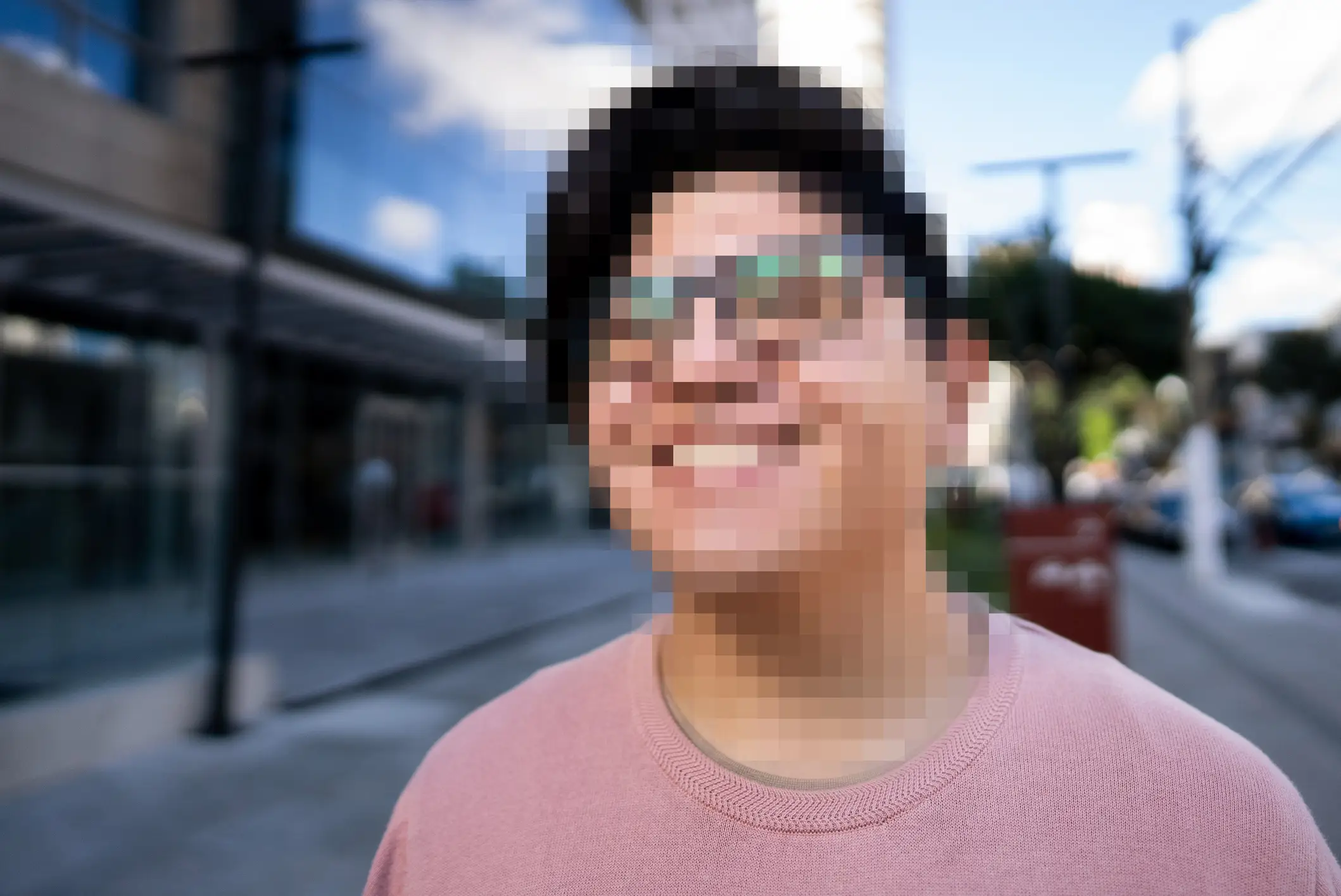
The new feature means pixelating stuff just got easier (Getty Stock)
The result can make someone almost impossible to identify while still leaving the rest of the photograph untouched.
For the uninitiated, a soft launch is the social media equivalent of saying “I’m seeing someone” without actually saying it.
A hand appears in the corner of a pic, someone’s trainers are visible under a restaurant table.
Perhaps there is a suspiciously cropped shoulder on a beach holiday.
The relationship is technically private, but everyone knows exactly what is going on.
Now, instead of gradually revealing a partner, Instagram gives users another option: make them look like they have been caught on a 1990s CCTV camera.
There are plenty of legitimate reasons someone might want to hide a person from a photograph; they might want to protect a friend’s privacy, or obscure a stranger in the background.
Instagram announced the Meta AI feature in a post, writing: “Soft launching? we got you.
“Use the Pixel effect in Stories and edit the prompt to call out what you want pixelated — like “the person on the right.” swipe to see the exact wording we used to try it yourself.”

Instagram shared the feature to their page (Instagram)
There’s a whole other problem, as some people pointed out they might deliberately choose to hide a long-term partner.
One commenter didn’t hold back: “Unless you post progressive unblurring in back to back stories as a whimsical bit, its just a humiliation ritual”.
“If you are going to blur someone then don’t post the person in the first place,” another argued.

The new feature could cause arguments for some couples (Getty Stock)
However, one person defended: “This is actually a great feature for parents who don’t want to share their children.”
“Imagine being in a relationship and your girl says lets take a photo next day you see it on her Instagram and your face is blurred” said another.
One insisted: “Don’t post at all! If you have to blur someone just to ‘soft launch’ the relationship, maybe the relationship doesn’t need to be on Instagram in the first place. Instagram and its weird updates nobody asked for.”
Instagram itself has not suggested that the feature should be used for this purpose specifically.
The feature could actually prove useful for creators and ordinary users who simply want more control over what appears in their Stories.
Someone walking through a busy street, for example, could blur an unrelated person’s face before uploading the photograph.
Imagine the awkwardness of getting that text: “Why did you blur me?”
For anyone who finds themselves mysteriously transformed into a heavily pixelated figure in their partner’s next Story, there may be a more important question than what filter was used.
Why exactly are they being hidden?
At least Instagram has now made it possible to hide the evidence, but whether it can help users hide the resulting argument is another matter.

Rhythm Superfoods Kale Chips, Zesty Nacho, Organic and Non-GMO, 2.0 Oz (Pack of 4), Vegan/Gluten-Free Superfood Snacks
(as of October 19, 2026 01:01 GMT +00:00 - More infoProduct prices and availability are accurate as of the date/time indicated and are subject to change. Any price and availability information displayed on [relevant Amazon Site(s), as applicable] at the time of purchase will apply to the purchase of this product.)
KiddyCare Diaper Caddy Organizer Cart for Nursery Baby Basket Gift for Boy/Girl | Diaper Caddy for Changing Table Basket Organizer with Dividers | Caddy for Baby Stuff Breast Pump Caddy - Regular
$9.99 (as of October 19, 2026 01:01 GMT +00:00 - More infoProduct prices and availability are accurate as of the date/time indicated and are subject to change. Any price and availability information displayed on [relevant Amazon Site(s), as applicable] at the time of purchase will apply to the purchase of this product.)
Joking Hazard by Cyanide & Happiness - 360+ Funny & Inappropriate Comic Cards, Hilarious Party Games | Includes Add-Your-Own-Words Cards
$24.95 (as of October 19, 2026 01:01 GMT +00:00 - More infoProduct prices and availability are accurate as of the date/time indicated and are subject to change. Any price and availability information displayed on [relevant Amazon Site(s), as applicable] at the time of purchase will apply to the purchase of this product.)
RIVER OF GOODS Mid-Century Modern Transitional LED Bronze Chrome Ceiling Fan - 52" L x 52" W - Rich Barnwood/Light Driftwood Fan Blades - Metallic Ceiling Fan with Light and Fabric Shade
(as of October 19, 2026 01:01 GMT +00:00 - More infoProduct prices and availability are accurate as of the date/time indicated and are subject to change. Any price and availability information displayed on [relevant Amazon Site(s), as applicable] at the time of purchase will apply to the purchase of this product.)




















Post Comment