“Shocking Encounter: Woman Claims Midwife’s Secret Comments Left Her Feeling Humiliated and Confused”
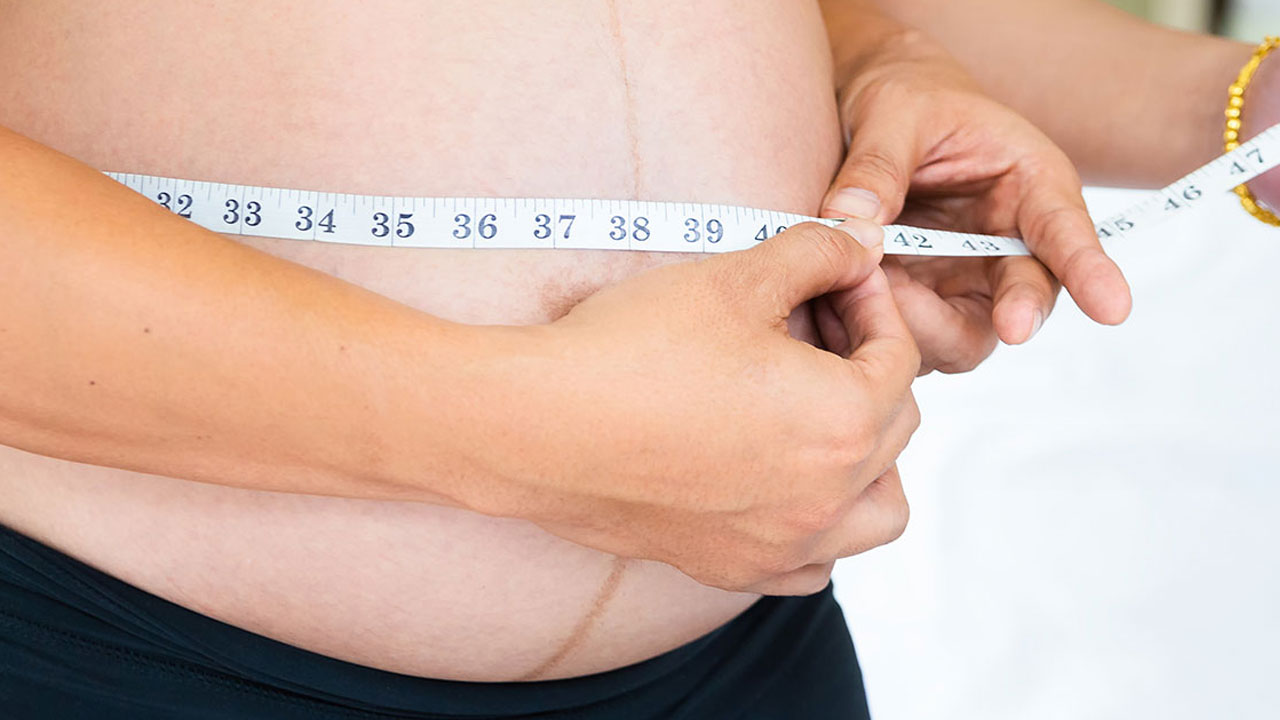
You ever notice how a little tact can feel like the difference between comfort and chaos in a doctor’s office? Especially when you’re pregnant and already juggling enough emotions to fill a soap opera! Well, imagine being told by your midwife that your BMI is… let’s just say, not exactly runway material. Sounds like a setup for awkward silence or a dramatic exit, right? That’s exactly what happened to a mom-to-be who felt fat-shamed during a routine checkup — and suddenly her story blew up the internet like a viral cat video, except this one stirred up a hefty debate on the fine line between concern and cruelty. Turns out, how medical pros deliver their messages matters just as much as the message itself. So, is it possible to keep things professional without becoming the office’s resident humorless robot? Let’s dive into this tangled web of bedside manners, BMI misconceptions, and the kind of healthcare banter that either builds trust or burns bridges. LEARN MORE
Empathy, compassion, tact, and emotional intelligence are important in many professions, but they are absolutely vital in healthcare. Doctors, nurses, and healthcare workers with good bedside manners are invaluable and help put their patients at ease. After all, how you say something is just as important as what you say. In some cases, however, a worker’s attempt to lighten the mood can be considered unprofessional behavior or tone-deaf.
Case in point, a mom turned to the Mumsnet community for advice about a rather sensitive situation. The woman, pregnant with her second child, shared how she felt fat-shamed by her midwife’s comment on her high BMI, and asked for people’s thoughts on the whole encounter. You’ll find the full story and the internet’s reactions below.
A healthcare professional’s bedside manner is incredibly important for building trust with their patients
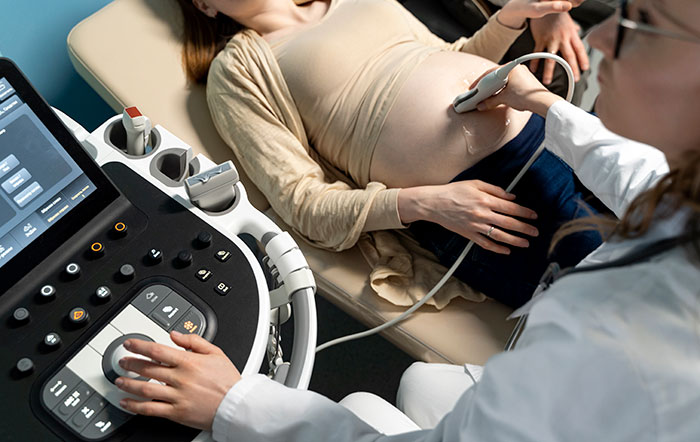
Image credits: freepik (not the actual image)
A pregnant woman turned to the internet for advice after feeling like she was fat-shamed by a midwife recently
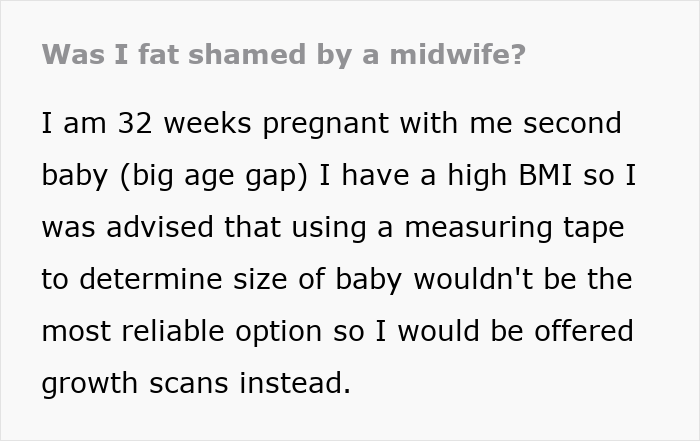
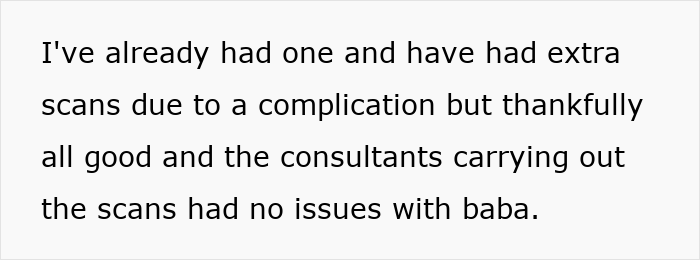
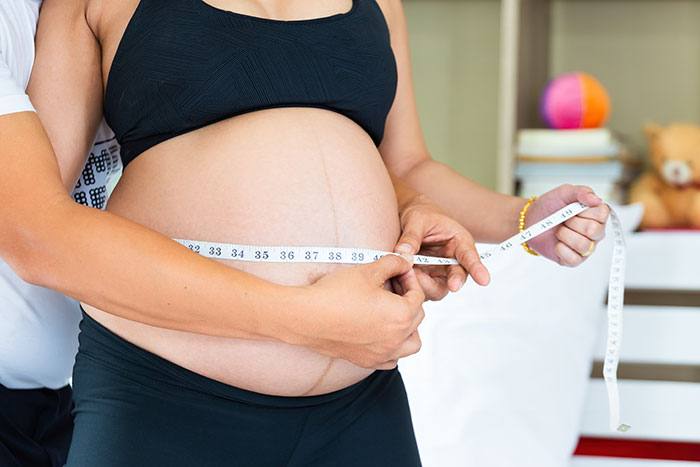
Image credits: jcomp (not the actual image)
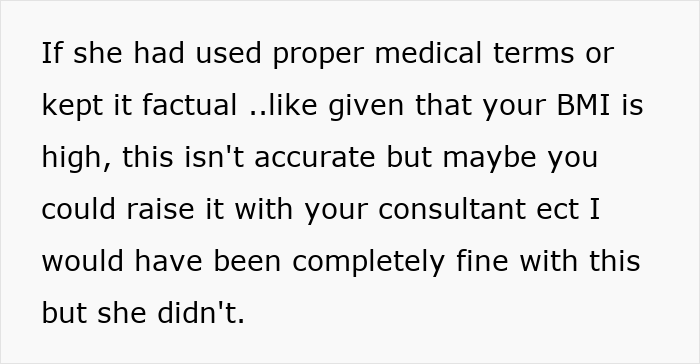
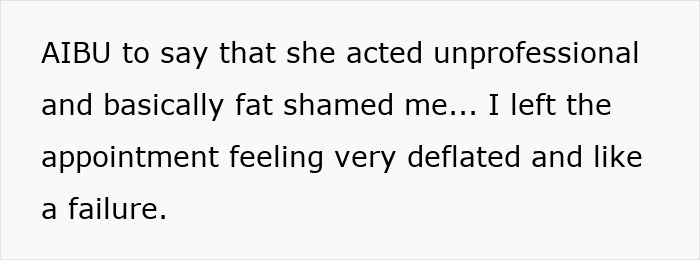

Image credits: photoroyalty (not the actual image)
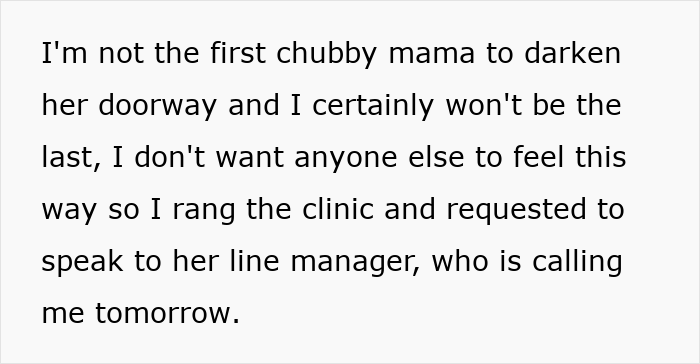
Image credits: PassMeTheLiquor
A recent report suggests that looking at a person’s BMI isn’t enough to determine how (un)healthy they might be
Referring to a new report published in The Lancet Diabetes & Endocrinology journal, the BBC states that it may be medically flawed to call people obese, and there’s a need to split the definition into two: ‘clinical obesity’ (where their medical conditions are caused by their weight) and ‘pre-clinically obese’ (for individuals who are overweight yet still fit, though at risk of disease).
The worry is that relying just on a person’s body mass index (aka their BMI) to determine obesity might miss some nuances. Around a billion people around the world are estimated to be living with obesity.
“Some individuals with obesity can maintain normal organ function and overall health, even long term, whereas others display signs and symptoms of severe illness here and now. Obesity is a spectrum,” explained Professor Francesco Rubino, from King’s College London, who chaired the expert group.
According to the report, a blanket definition of obesity means that some people are misdiagnosed as obese, but they don’t receive the most appropriate care. As an example, someone may be very physically active yet on the larger side. Or someone who has a lot of muscle mass and a low body fat percentage can be misdiagnosed as being borderline obese.
An adult’s BMI is calculated by dividing their weight (in kilograms) by their height (in meters squared). In many countries, having a BMI of over 30 is currently considered as a mark that someone is obese.
However, this approach, while useful on a large scale, tends to fall apart if you don’t look at an individual’s family history, body fat percentage, overall fitness, whether or not they have any serious diseases, what kind of fat they have, etc. In short, only a detailed look at a patient’s medical history can give you a proper understanding of how (un)healthy they are.
Someone who is clinically obese may have heart disease, type 2 diabetes, joint pain, feel out of breath, and have a hard time doing day-to-day activities. In these cases, drugs or surgery may be used for treatment.
Meanwhile, pre-clinical obesity doesn’t yet cause any illnesses, so the person should be offered weight-loss advice, counseling, and monitoring, according to the BBC. The goal is to reduce the individual’s chances of developing health problems later.
As per children’s obesity expert Professor Louise Baur, from the University of Sydney, who contributed to The Lancet’s report, the new approach should reduce the number of people being overdiagnosed and given unnecessary treatment.
Often, pregnant women with higher BMI feel fat-shamed and stigmatized. Some healthcare professionals make jokes at their expense
The BBC notes that women with higher BMI feel stigmatized by risk messaging in maternity care. Research by Cardiff University and the British Pregnancy Advisory Service found that pregnant women are often infantilized.
Fire Blanket - 1500F CE Certified Emergency Fire Blanket for Home & Kitchen | 500GSM Fabric & 0.5mm Thick - 100% Fiberglass Fire Extinguisher for Car,Warehouse Office - 2pc (47x47 inches) by Supa Ant
$53.45 (as of November 17, 2026 01:11 GMT +00:00 - More infoProduct prices and availability are accurate as of the date/time indicated and are subject to change. Any price and availability information displayed on [relevant Amazon Site(s), as applicable] at the time of purchase will apply to the purchase of this product.)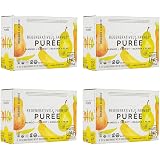
White Leaf Baby Food Pouches, Toddler Snack, Mango + Carrot + Banana + Pear | 24 Pack, Organic No Added Sugar, Non-GMO, BPA-Free Regeneratively Farmed, Squeeze Puree Smoothie Pouch for Adults & Children
$69.95 (as of November 17, 2026 01:11 GMT +00:00 - More infoProduct prices and availability are accurate as of the date/time indicated and are subject to change. Any price and availability information displayed on [relevant Amazon Site(s), as applicable] at the time of purchase will apply to the purchase of this product.)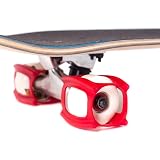
Skater Trainer Wheels - Beginners get Skateboard Tricks Fast, Safe and Fun | Viral accessory gift - Helps beginners stay excited about their new skateboard - Kids & parents love these
$28.99 (as of November 17, 2026 01:11 GMT +00:00 - More infoProduct prices and availability are accurate as of the date/time indicated and are subject to change. Any price and availability information displayed on [relevant Amazon Site(s), as applicable] at the time of purchase will apply to the purchase of this product.)
RIVER OF GOODS Alabaster LED Mesh Caged Ceiling Fan - 52" L X 52" W - White/Oak Wood-Grain Blades
(as of November 17, 2026 01:11 GMT +00:00 - More infoProduct prices and availability are accurate as of the date/time indicated and are subject to change. Any price and availability information displayed on [relevant Amazon Site(s), as applicable] at the time of purchase will apply to the purchase of this product.)


















Post Comment