Stephen King’s Latest Gen Z Adaptation Sparks Outrage—What Went Horribly Wrong?
So, Stephen King’s iconic Carrie is stepping out of the shadows and diving headfirst into the flashy, emoji-laden world of Gen Z—and the internet is already buzzing with mixed feelings. Picture this: telekinesis meets TikTok drama, and the classic horror tale gets a makeover sharper than Carrie’s infamous prom night. But here’s the million-dollar question: can a story rooted in 70s terror survive the viral wave of social media and keep its spine-tingling edge, or are we about to witness a sweetened, watered-down version that barely haunts? Fans are split—some thrill at the fresh take, while others clutch their phones nervously, wondering if the original darkness is lost in translation. And let’s not even get started on casting and the age-old debate over Carrie’s look—because Hollywood apparently can’t help itself. Ready to unravel the drama behind this modern adaptation?
Stephen King’s Carrie is getting a very modern makeover, but some fans are already questioning whether the changes go too far.
Mike Flanagan’s new series brings the horror classic into the age of viral videos, social media, and Gen Z high school culture.
While many viewers are excited to see what the acclaimed filmmaker does with the story, others fear the new version could lose what made Carrie so disturbing in the first place.
- Mike Flanagan’s modern take on ‘Carrie’ has sparked a surprising debate over what makes the horror classic truly terrifying.
- Some fans fear the Gen Z makeover could make Carrie far sweeter than Stephen King originally intended.
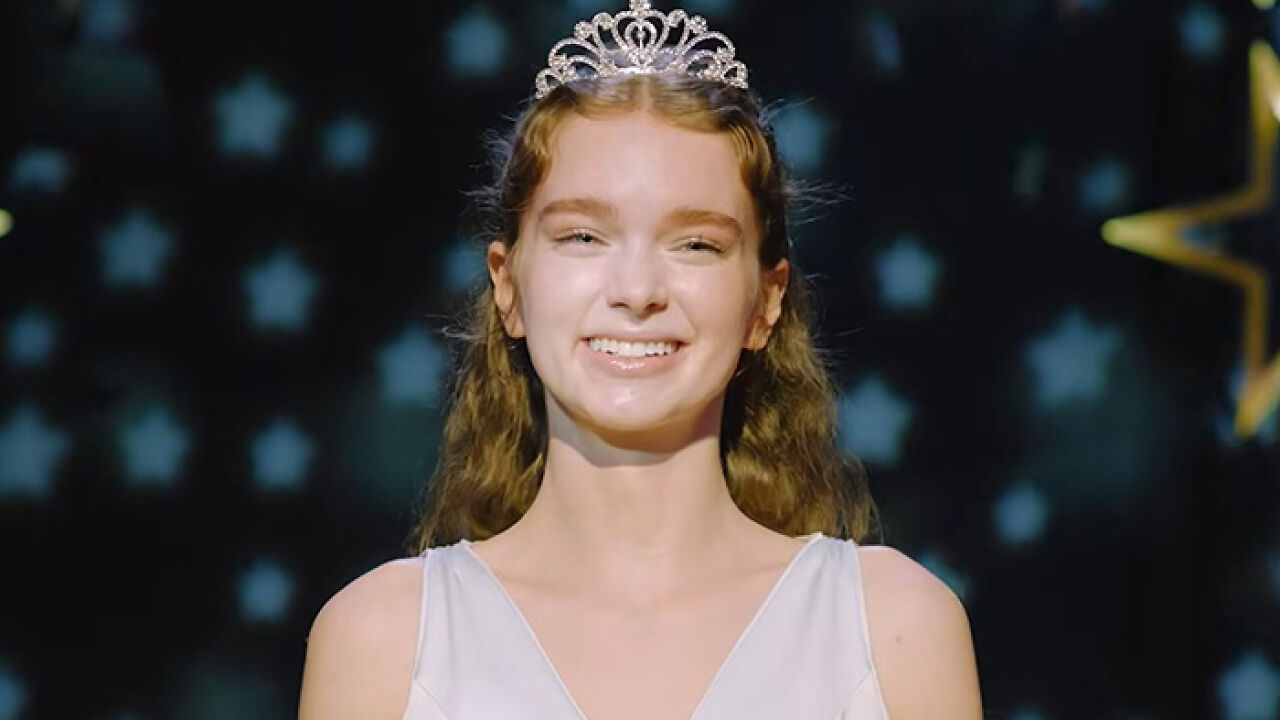
- The casting of Summer H. Howell has reignited a long-running debate over whether Hollywood gets Carrie’s appearance right.
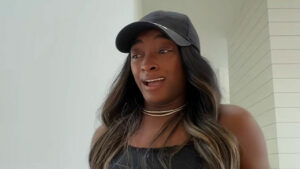
“I think maybe what these new movies are missing is earnestness? I don’t believe any character motivations they’re just copy-pasted TikTok personas,” one commenter wrote.
Mike Flanagan’s new Carrie adaptation brings Stephen King’s classic horror story into the Gen Z era
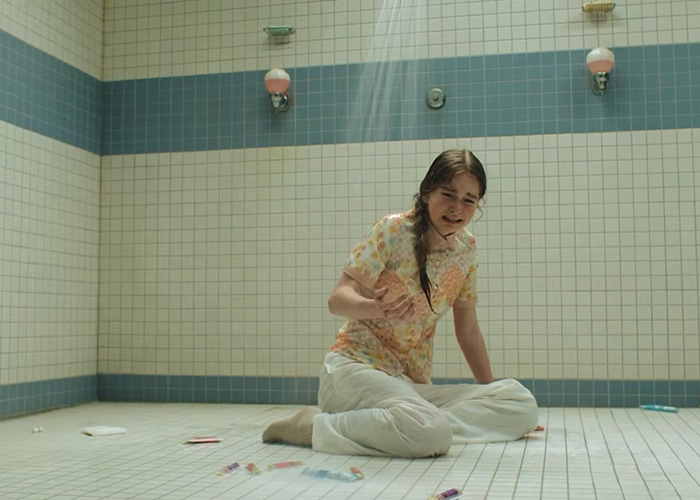
First published in 1974, Stephen King’s Carrie follows a lonely teenage girl who exacts revenge on her bullies after discovering she has telekinetic powers.
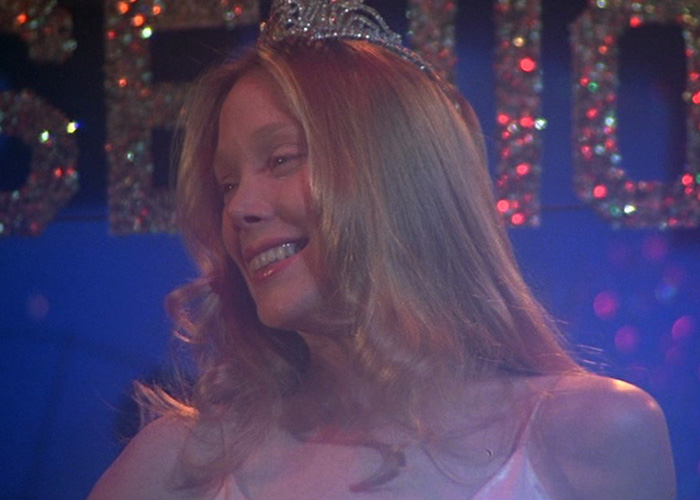
Brian De Palma first adapted the novel into a film in 1976, with Sissy Spacek starring as Carrie White.
David Carson helmed a television adaptation of the story in 2002, while Chloë Grace Moretz starred as Carrie in the 2013 reboot.
The upcoming eight-episode series reimagines the novel for a modern audience, with Summer H. Howell taking on the role of Carrie White.
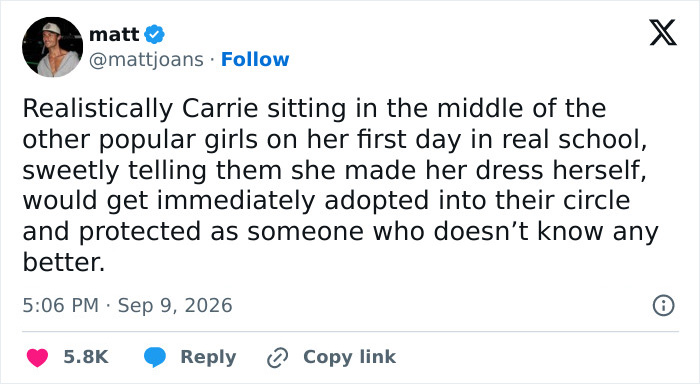
Unlike the original story, this version introduces Carrie as a homeschooled teenager who enters public high school after her father’s sudden passing.
The change gives the series a new way to explore Carrie’s isolation as she navigates an unfamiliar social world.
It also allows Flanagan to bring some of the pressures facing teenagers today into the story, including how humiliation can spread far beyond the school hallway.
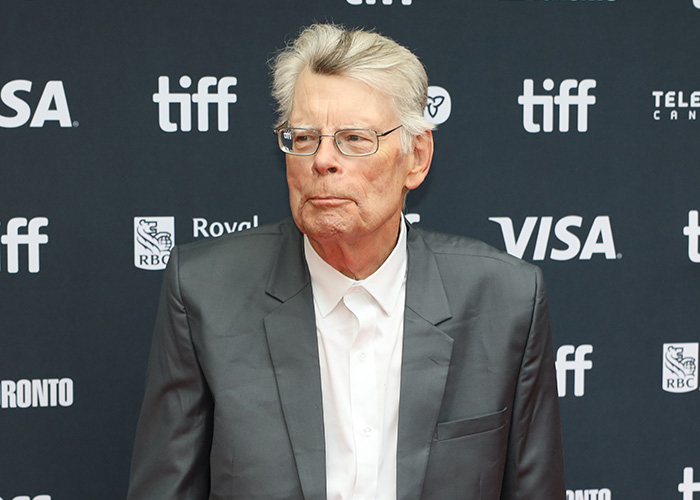
Flanagan has previously explained that he wanted to create something new rather than simply repeat earlier adaptations.
The latest adaptation swaps traditional high school bullying for social media cruelty and cyberbullying in the Gen Z era
The filmmaker has also emphasized that the original story’s themes of cruelty, bullying, empathy, and social pressure remain relevant, even as the setting and technology around them have changed.
One of the biggest updates is the way Carrie’s classmates torment her.
Instead of relying solely on the face-to-face cruelty seen in the original story, the new series brings smartphones and social media into the equation.
Carrie is filmed during a vulnerable moment, with the footage then spread online and used to humiliate her.
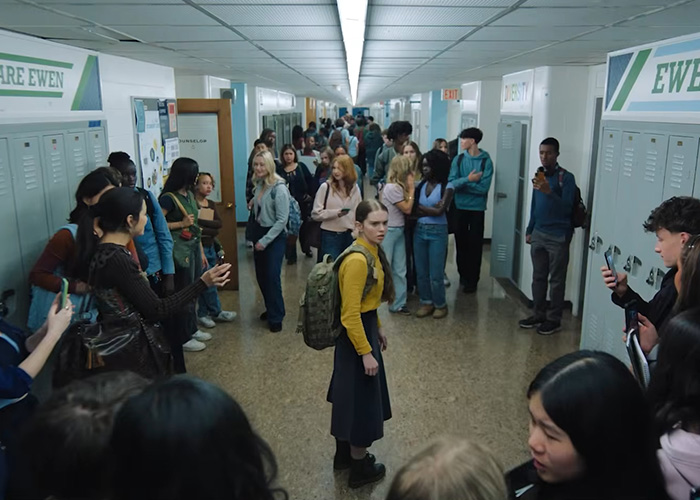
A targeted Instagram account further turns the bullying into something that can follow her outside the classroom.
The change reflects how quickly embarrassing content can circulate among teenagers today, but it has also raised concerns among some viewers who feel modern movies rely too heavily on internet culture when portraying young people.
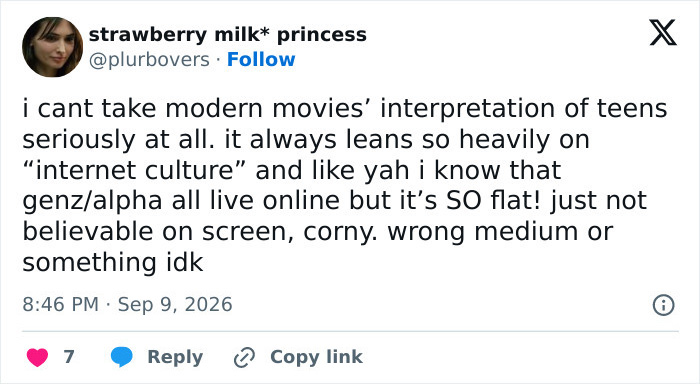
One netizen on X questioned whether modern filmmakers can convincingly capture how teenagers actually behave, writing, “I can’t take modern movies’ interpretation of teens seriously at all. It always leans so heavily on ‘internet culture’ and like yah I know that genz/alpha all live online but it’s SO flat!”
Many displeased fans pointed out details in the new trailer that they fear could undermine what made Carrie so unsettling
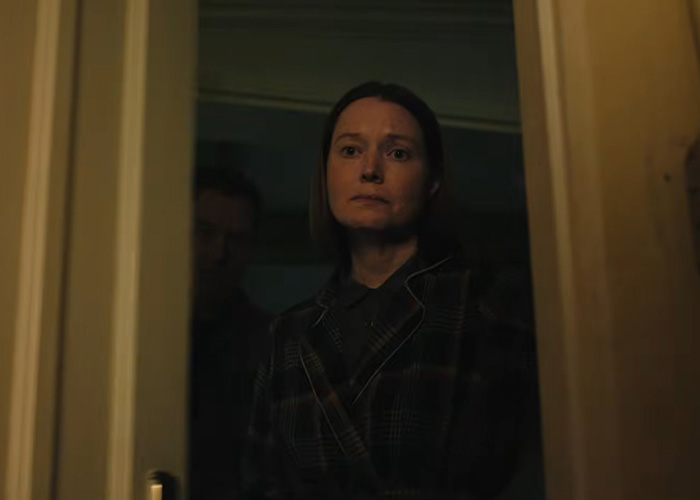
“Just not believable on screen, corny,” they wrote, arguing that these portrayals can reduce teenage characters to “copy-pasted TikTok personas.”
The commenter wasn’t specifically reviewing Flanagan’s series and admitted they hadn’t even watched the reboot.
They pointed to the original Mean Girls as an example of a movie that captured the spirit of its era without constantly reminding viewers it depicted a particular generation.

KiddyCare Diaper Caddy Organizer Cart for Nursery Baby Basket Gift for Boy/Girl | Diaper Caddy for Changing Table Basket Organizer with Dividers | Caddy for Baby Stuff Breast Pump Caddy - Regular
$9.99 (as of October 24, 2026 01:02 GMT +00:00 - More infoProduct prices and availability are accurate as of the date/time indicated and are subject to change. Any price and availability information displayed on [relevant Amazon Site(s), as applicable] at the time of purchase will apply to the purchase of this product.)
Joking Hazard by Cyanide & Happiness - 360+ Funny & Inappropriate Comic Cards, Hilarious Party Games | Includes Add-Your-Own-Words Cards
$24.95 (as of October 24, 2026 01:02 GMT +00:00 - More infoProduct prices and availability are accurate as of the date/time indicated and are subject to change. Any price and availability information displayed on [relevant Amazon Site(s), as applicable] at the time of purchase will apply to the purchase of this product.)
RIVER OF GOODS Mid-Century Modern Transitional LED Bronze Chrome Ceiling Fan - 52" L x 52" W - Rich Barnwood/Light Driftwood Fan Blades - Metallic Ceiling Fan with Light and Fabric Shade
(as of October 24, 2026 01:02 GMT +00:00 - More infoProduct prices and availability are accurate as of the date/time indicated and are subject to change. Any price and availability information displayed on [relevant Amazon Site(s), as applicable] at the time of purchase will apply to the purchase of this product.)
PROMIXX FORM Protein Shaker Bottle - A Premium Shaker Bottle for Protein Shakes Infusions and Hydration - Durable Gym Shaker Bottle, Leakproof Lid, Odorless - 26oz (Graphite Gray)
$12.99 (as of October 24, 2026 01:02 GMT +00:00 - More infoProduct prices and availability are accurate as of the date/time indicated and are subject to change. Any price and availability information displayed on [relevant Amazon Site(s), as applicable] at the time of purchase will apply to the purchase of this product.)