The Man Who Foretold the 2008 Crash Warns of an AI Threat That Could Shake the World Again
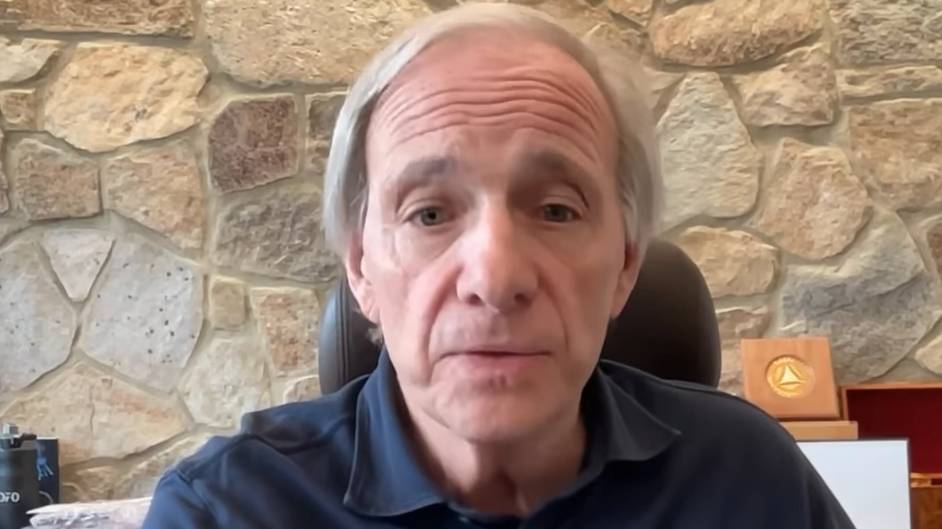
So, here’s a fun little brain teaser for you: what do a 2008 financial meltdown and today’s AI frenzy have in common? According to Ray Dalio, the billionaire wunderkind who blew the whistle on the last crash, they’re basically siblings separated by a tech boom. Imagine the guy who turned a modest New York apartment startup into the world’s mightiest hedge fund throwing a caution flag on the dazzling AI parade—yep, that’s Dalio’s latest spicy take. He’s betting the ‘AI bubble’ won’t just burst; it’s going to send shocks comparable to past economic wipeouts, where people scramble to make sense of their suddenly worthless assets. So, before you dive headfirst into that AI gold rush, maybe pause and remember: not every shiny thing is a safe bet, no matter how revolutionary it promises to be. LEARN MORE
The man who predicted the 2008 financial crisis warns that AI will eventually trigger a similar collapse.
Ray Dalio, the American billionaire investor and philanthropist, is the founder of Bridgewater Associates – the world’s largest hedge fund.
He started Bridgewater from his New York apartment in 1975 and turned it into a 150 billion dollar fund before his exit last year.
During that time, Dalio predicted the 2008 financial crisis by tracking the ‘debt supercycle’, a massive economic wave that peaks every 75 to 100 years.
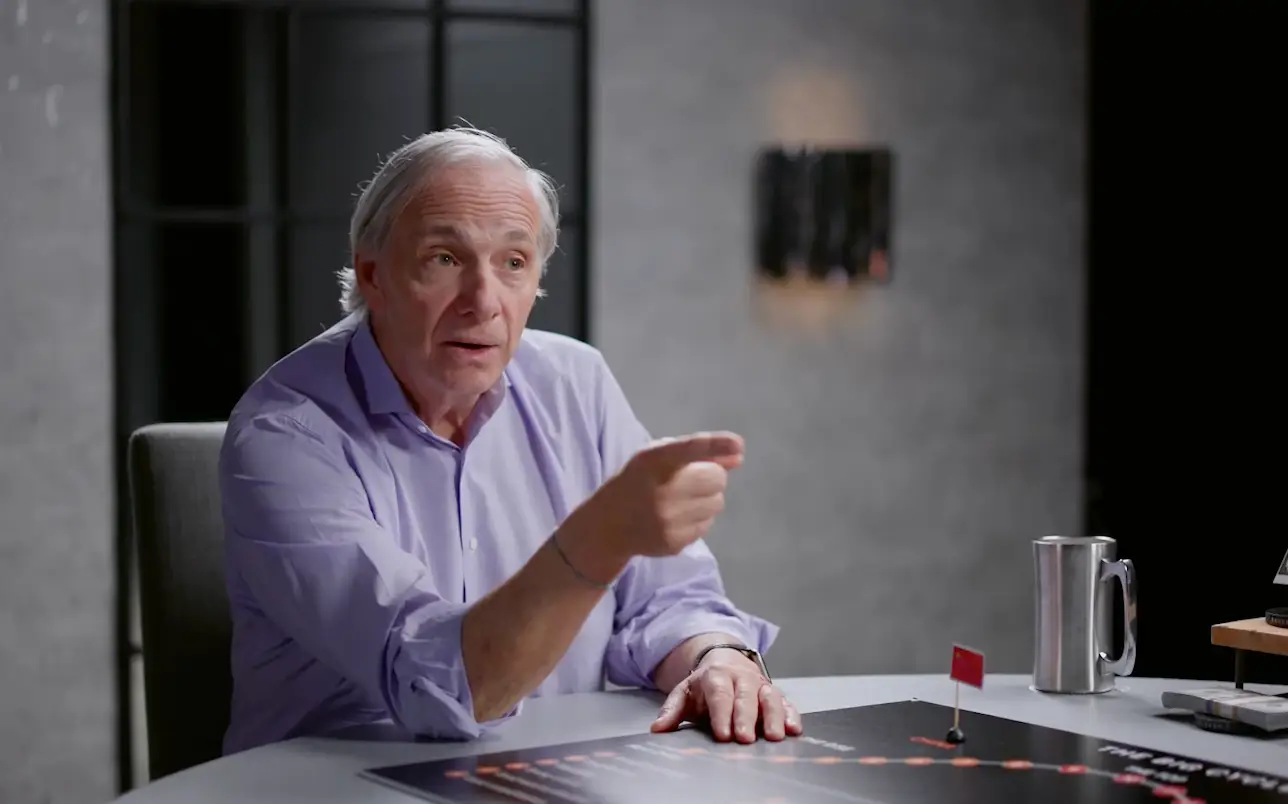
In a recent appearance on The Diary Of A CEO, the 76-year-old made a bold prediction about how the ‘AI bubble’ is going to burst.
Investors are going to ‘lose money’ because of AI
(YouTube/The Diary Of A CEO)
“I don’t want to jump to conclusions as much as I want to explain reasonings that leads to conclusions,” he said.
“I’m at a stage in my life that I want to help people understand cause/effect relationships.
“What they call a bubble is when the price goes up a lot and companies do very well, and then it collapses.
“That has implications for the economy and for markets, like the 1929 bubble or the 2000 bubble, which was the dot-com bubble.
“Did the 1929 bubble bursting impact people? Yes, the Great Depression followed.”
‘Wealth is not the same as money’

(Getty Stock Images)
Dalio, who is worth $15.4 billion according to Forbes, referenced ‘the dot-com bubble’ in 2000 which people thought they ‘can bet on that, I’m sure it’s going to be successful’.
“Then they bet on it, sometimes they borrow money to bet on it, and they lose sight of the fact that price of it matters, it goes up and up and it’s everybody’s thing,” he continued.
“Right now we’re very excited about AI, and we should be. It’s going to bring revolutionary changes. Then at the same time ‘I want to buy some of that’.”
Why Dalio thinks the AI bubble will burst
Dalio urged people to not confuse ‘this will change the world’ with ‘this investment can’t lose money’.
“Everybody wants to invest in some of that and what they do is they don’t pay attention to the price,” he added. “There’s a certain mechanics, people will borrow money.
“Wealth is not the same as money. You see a lot of people getting wealthy, but you can’t spend the wealth — you have to sell the wealth to get money, because you can only spend money.
“What happens is when they need money for one reason or another, taxes change or interest rates go up and so they have to pay their debt service there is a pricking of the bubble so that what happens is it falls.
“When that happens, people lose money. When they start to lose money the process works in reverse.”
Dalio believes this is what happens during bubbles: people stop asking whether the price makes sense because they’re afraid of missing out.

Fire Blanket - 1500F CE Certified Emergency Fire Blanket for Home & Kitchen | 500GSM Fabric & 0.5mm Thick - 100% Fiberglass Fire Extinguisher for Car,Warehouse Office - 2pc (47x47 inches) by Supa Ant
$53.45 (as of October 25, 2026 01:02 GMT +00:00 - More infoProduct prices and availability are accurate as of the date/time indicated and are subject to change. Any price and availability information displayed on [relevant Amazon Site(s), as applicable] at the time of purchase will apply to the purchase of this product.)
Joking Hazard Enlarged Box Empty Box for Card Storage
$12.00 (as of October 25, 2026 01:02 GMT +00:00 - More infoProduct prices and availability are accurate as of the date/time indicated and are subject to change. Any price and availability information displayed on [relevant Amazon Site(s), as applicable] at the time of purchase will apply to the purchase of this product.)
Fire Cloak - 1500F CE Certified Emergency Fire Blanket for Home & Kitchen | 500GSM Fabric & 0.5mm Thick - Silicon Coated 100% Fiberglass Essentials in House, Warehouse Office - 55"L x 70"W by Supa Ant
$83.99 (as of October 25, 2026 01:02 GMT +00:00 - More infoProduct prices and availability are accurate as of the date/time indicated and are subject to change. Any price and availability information displayed on [relevant Amazon Site(s), as applicable] at the time of purchase will apply to the purchase of this product.)
1MORE Triple Driver In-Ear Headphones - Silver - Wired - Adult - In Ear - 18 grams - 90 days limited warranty
(as of October 25, 2026 01:02 GMT +00:00 - More infoProduct prices and availability are accurate as of the date/time indicated and are subject to change. Any price and availability information displayed on [relevant Amazon Site(s), as applicable] at the time of purchase will apply to the purchase of this product.)