Revolutionary Surgery Unveiled: The Groundbreaking Penis Transplant That’s Redefining Lives Forever
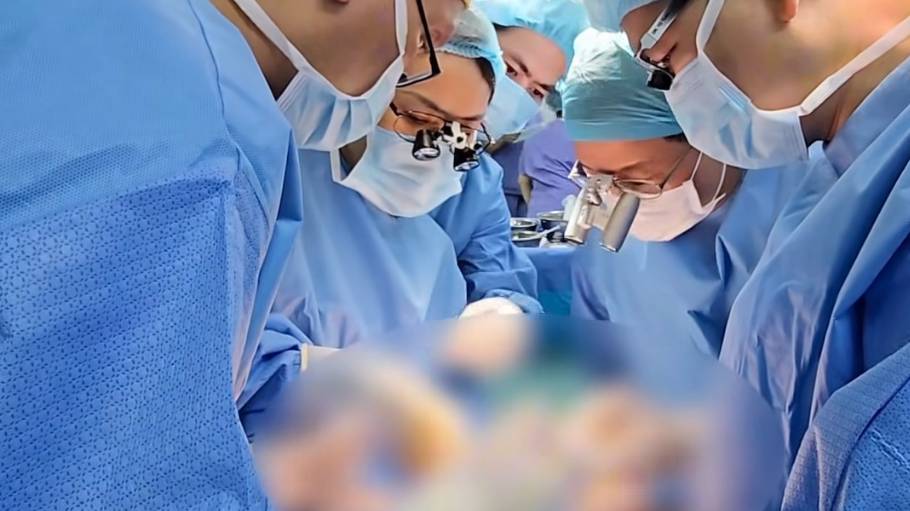
So, here’s a question to ponder: when did “organ transplants” get upgraded to “major life reboots”? Surgeons in Vietnam have just flipped the script by performing the country’s first-ever penis transplant, using a donor’s organ from a brain-dead individual. Yep, you read that right—this was no ordinary medical procedure; it was a pioneering masterpiece stitched together at Viet Duc Friendship Hospital. The recipient, a 43-year-old man who’d previously endured a partial penectomy, now has a chance to reclaim not just physical function but his sense of confidence and happiness. Talk about precision surgery requiring microscale magic—and honestly, it makes one wonder how far medical marvels will go next. Fancy a deep dive on this ‘technical miracle’? LEARN MORE.
Surgeons have successfully carried out a ground-breaking penis transplant by using the organ from a brain-dead donor. The major operation was carried out in Vietnam in the first procedure of its kind.
The patient went under the knife at the Viet Duc Friendship Hospital in Vietnam, which marked a major medical breakthrough once the candidate was deemed to have been suitable for the transplant.
According to VietnamNet, the 43-year-old man was the first recipient of a penis transplant in the country, which has opened up a new chapter in the organ transplant program.
The man had previously undergone a surgical procedure, called a partial penectomy, to remove part of the penis at the same hospital.
According to the NHS, a penectomy is a surgical procedure that involves part of, or the entire, penis. This is most commonly done for penile cancer in which the organ needs to be removed.
Yale Medicine said that the procedure is also carried out as part of gender-affirming surgery for transgender people.
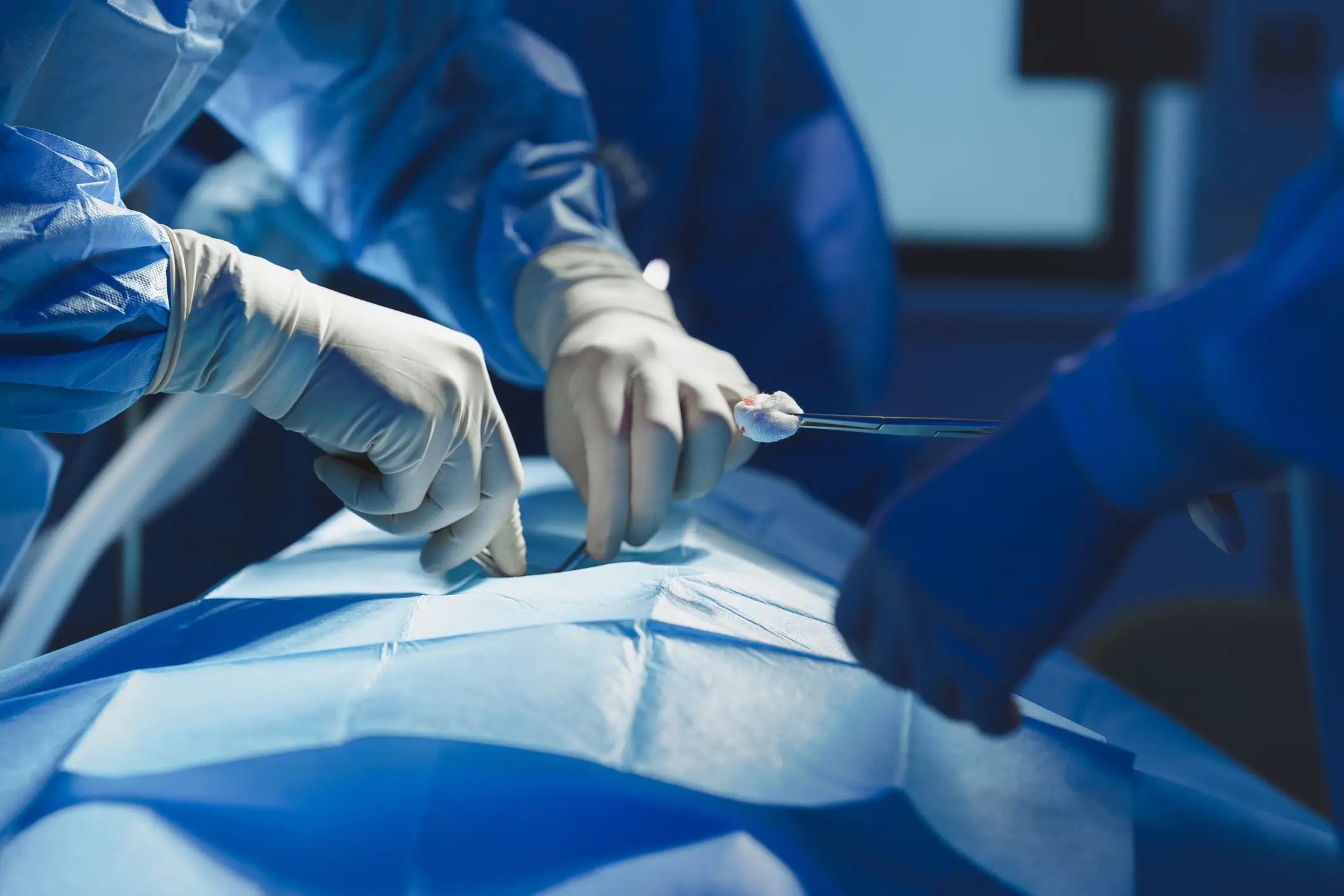
The operation was a major medical breakthrough in Vietnam (Getty Images)
Surgeons are said to have reviewed the man’s immune compatibility and psychological health before a team of specialists then concluded that he was a suitable candidate for the major transplant.
The procedure was carried out at the Center for Andrology at the hospital, where the man is also said to now be receiving support and aftercare following the op.
After the patient had the penectomy four years ago, doctors said only a very short portion of the penis remained, leaving him ‘psychologically distressed’ which then affected his quality of life and his mental wellbeing.
Associate Professor Duong Duc Hung, Director of Viet Duc Hospital, said: “He told us that life was no longer worth living. He was in an extremely difficult emotional state.
“This transplant has not only restored a part of the body but also given the patient back his quality of life, confidence and happiness, as well as that of his family.”
Medics have said that the patient is making good progress following the major operation, with the surgical site healing and no complications.
Footage of the medics carrying out the procedure was shared on Facebook, and said it was the first human organ transplant to take place in Vietnam, describing it as a ‘technical miracle’.
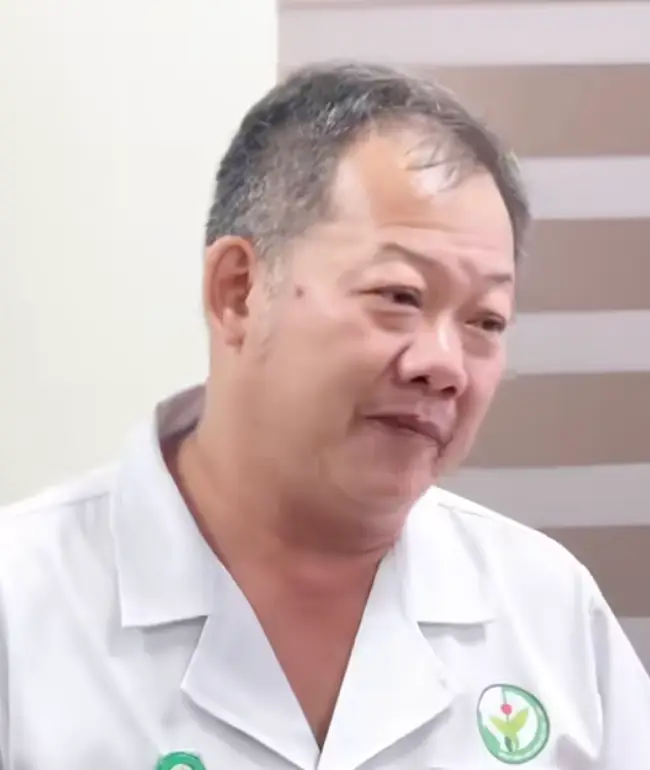
Doctors issued a major update on the operation (Facebook / VietDuc University Hospital)
“[It] also carries a profound humanitarian and humanistic meaning,” the post read. “For patients, the transplant not only opens up the opportunity to return to normal life, but more importantly, it is a journey to heal psychological wounds, helping patients regain confidence, dignity, and faith in the future.”
Operation required ‘exceptional precision’
Associate professor, Dr Nguyen Quang, director of the hospital’s Andrology Centre,
He said of the operation: “In this transplant procedure, we reconstructed the anatomical structures of the penis, including the urethra, corpus spongiosum and corpora cavernosa, while simultaneously performing microsurgical anastomosis of minute arteries, veins and nerves.
“The close integration of reconstructive and microsurgical techniques throughout the operation demanded exceptional precision to ensure the viability of the graft and facilitate functional recovery.”

RIVER OF GOODS Coastal 52 Inch Wooden Bead LED Ceiling Fan, Cream
(as of October 25, 2026 01:02 GMT +00:00 - More infoProduct prices and availability are accurate as of the date/time indicated and are subject to change. Any price and availability information displayed on [relevant Amazon Site(s), as applicable] at the time of purchase will apply to the purchase of this product.)
RIVER OF GOODS Mid-Century Modern Transitional LED Bronze Chrome Ceiling Fan - 52" L x 52" W - Rich Barnwood/Light Driftwood Fan Blades - Metallic Ceiling Fan with Light and Fabric Shade
(as of October 25, 2026 01:02 GMT +00:00 - More infoProduct prices and availability are accurate as of the date/time indicated and are subject to change. Any price and availability information displayed on [relevant Amazon Site(s), as applicable] at the time of purchase will apply to the purchase of this product.)
Skater Trainer Wheels - Beginners get Skateboard Tricks Fast, Safe and Fun | Viral accessory gift - Helps beginners stay excited about their new skateboard - Kids & parents love these
$28.99 (as of October 25, 2026 01:02 GMT +00:00 - More infoProduct prices and availability are accurate as of the date/time indicated and are subject to change. Any price and availability information displayed on [relevant Amazon Site(s), as applicable] at the time of purchase will apply to the purchase of this product.)
White Leaf Baby Food Pouches, Toddler Snack, Mango + Carrot + Banana + Pear | 24 Pack, Organic No Added Sugar, Non-GMO, BPA-Free Regeneratively Farmed, Squeeze Puree Smoothie Pouch for Adults & Children
$69.95 (as of October 25, 2026 01:02 GMT +00:00 - More infoProduct prices and availability are accurate as of the date/time indicated and are subject to change. Any price and availability information displayed on [relevant Amazon Site(s), as applicable] at the time of purchase will apply to the purchase of this product.)