19 Surprising Childhood Confusions Every Parent Needs to Know About Now
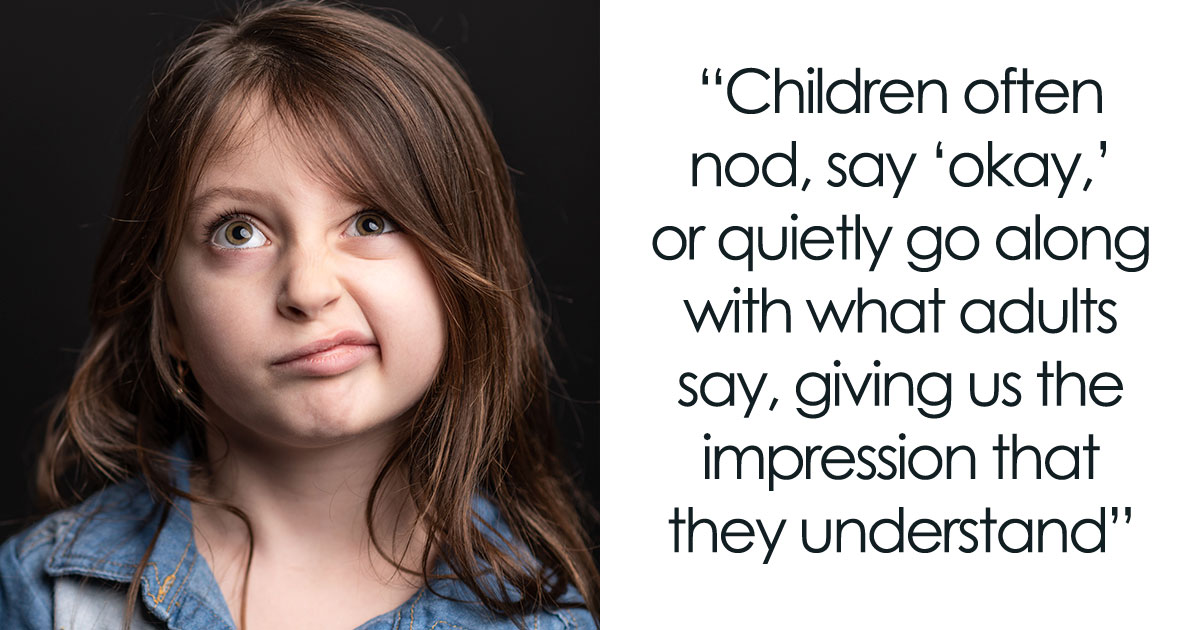
As the expert emphasized: “The goal is not simply to raise children who follow directions. It is to raise children who genuinely understand and feel safe enough to tell us when they do not.”

What does “Stop being a baby” actually mean? Does it mean to stop crying? Stop feeling scared? Stop asking for help? Stop needing comfort? Depending on the child’s age, they may still be very young. Even older children sometimes need reassurance, connection, and support. Children may understand that the adult disapproves of their reaction without understanding what they are expected to do instead. Rather than criticizing the emotion, teach the skill, “I can see that you’re upset. Tell me what happened.” “Let’s take a breath together and figure out what you need.” Children grow through guidance and coaching, not shame.
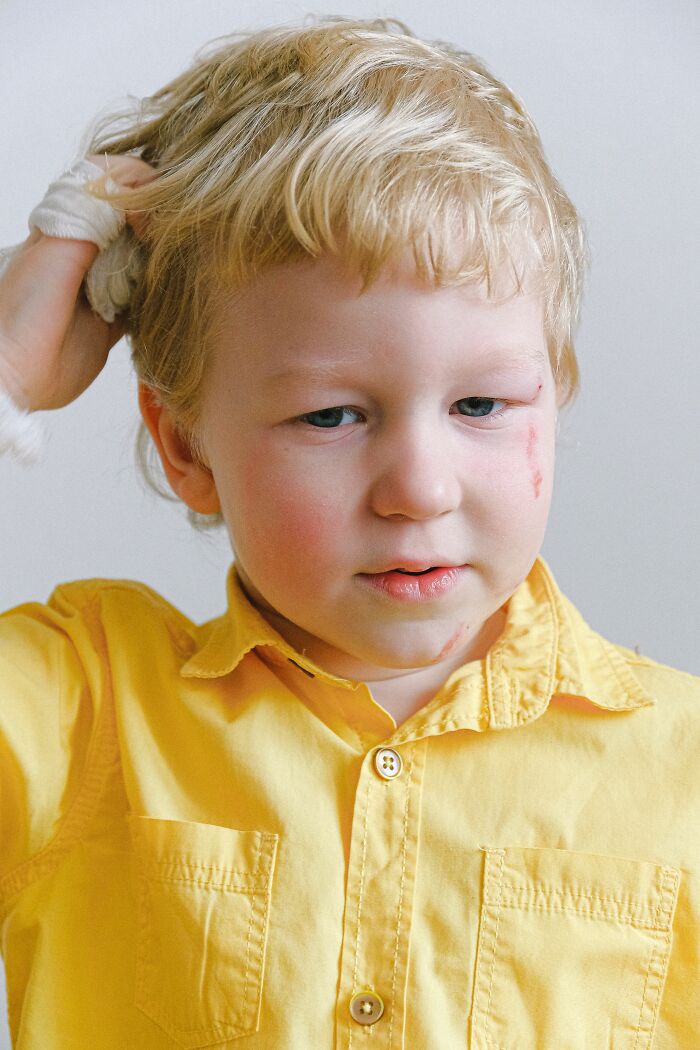
“Use your words” sounds like a simple instruction. But children may not know which words to use. A child who is angry, embarrassed, disappointed, jealous, frightened, or overwhelmed may not yet have the emotional vocabulary to explain what is happening inside them. Instead of only saying, “Use your words,” offer language, “Are you angry because your brother took the toy?” “You can say, ‘I’m still using that. Can I have it back?’” Children cannot consistently use language they have never been taught or don’t have full command of yet. Emotional vocabulary develops through modeling, practice, and repetition.
A mother of five in a successfully blended family for more than 30 years and a grandmother of nine, Celia combines decades of professional experience with real-life parenting wisdom. Her mission is to help 50 million parents stop yelling at their children and create childhoods their children can blossom from, not recover from.

Parents say “Good job” with wonderful intentions. The challenge is that it can be so broad that children may not know exactly what they did well. If they don’t know what they did well, they won’t repeat it to make you proud (which they actually do want to do). Specific encouragement gives children more information: “You kept trying even when that was difficult.” “I noticed that you shared with your brother.” “You remembered to put your shoes away without being reminded.” Compliments can become even more confusing when praise is immediately followed by criticism: “You did a great job cleaning your room, BUT you left a shirt in the corner.” The parent may believe they offered both a compliment and helpful feedback. But the child may hear, “It still wasn’t good enough.” The word “but” can erase everything that came before it. Instead of feeling proud that they completed a big task, the child’s attention immediately shifts to the one thing they missed. That compliment has now become criticism. Try allowing the compliment to stand on its own: “You worked hard cleaning your room. Look how much you accomplished!” If the forgotten shirt needs attention, address it separately: “There’s one shirt left in the corner. Where does that belong?” A compliment does not have to mean everything was perfect. It can simply mean we noticed the effort, growth, or accomplishment.
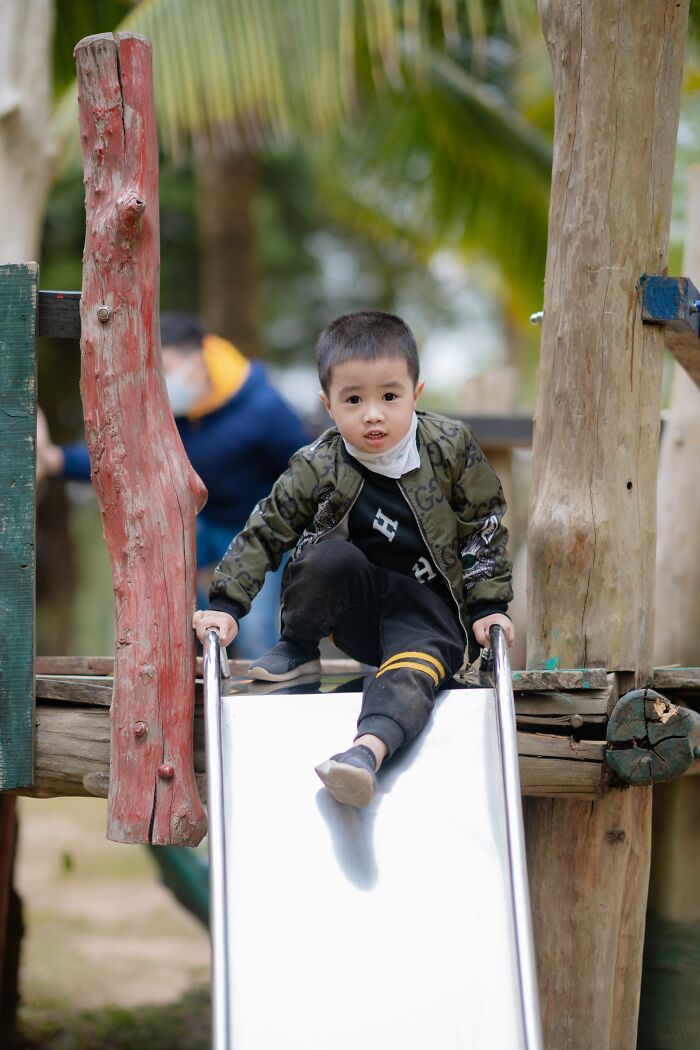
Watch where they are stepping? Move something away from the edge? Use two hands? General warnings may create worry without giving children useful information.
Specific coaching is clearer, “Hold the railing while you walk down the steps.”
“Carry the glass with two hands.”
“The rocks are slippery, so take slow steps.”
Children are more successful when they know what safe behavior looks like and often become fearful about trying new things when always worried that something might happen from hearing “be careful” too often.

RIVER OF GOODS Alabaster LED Mesh Caged Ceiling Fan - 52" L X 52" W - White/Oak Wood-Grain Blades
(as of October 25, 2026 01:02 GMT +00:00 - More infoProduct prices and availability are accurate as of the date/time indicated and are subject to change. Any price and availability information displayed on [relevant Amazon Site(s), as applicable] at the time of purchase will apply to the purchase of this product.)
Skater Trainer Wheels - Beginners get Skateboard Tricks Fast, Safe and Fun | Viral accessory gift - Helps beginners stay excited about their new skateboard - Kids & parents love these
$28.99 (as of October 25, 2026 01:02 GMT +00:00 - More infoProduct prices and availability are accurate as of the date/time indicated and are subject to change. Any price and availability information displayed on [relevant Amazon Site(s), as applicable] at the time of purchase will apply to the purchase of this product.)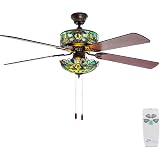
RIVER OF GOODS Stained Glass Magna Carta LED Ceiling Fan - 52" L x 52" W - Tiffany Style - Flush Mount Ceiling Fan with Remote - Teal
(as of October 25, 2026 01:02 GMT +00:00 - More infoProduct prices and availability are accurate as of the date/time indicated and are subject to change. Any price and availability information displayed on [relevant Amazon Site(s), as applicable] at the time of purchase will apply to the purchase of this product.)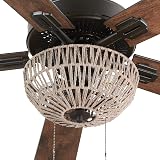
RIVER OF GOODS LED Boho Ceiling Fan with Hand Woven Brown/Natural Rope - Macrame Knot Work and Hemp Rope Style Eclectic Cottage Decor - 52" L x 52" W - Rich Barnwood/Light Driftwood Fan Blades
(as of October 25, 2026 01:02 GMT +00:00 - More infoProduct prices and availability are accurate as of the date/time indicated and are subject to change. Any price and availability information displayed on [relevant Amazon Site(s), as applicable] at the time of purchase will apply to the purchase of this product.)