The Untold Story Behind Andrés Escobar’s Tragic Fate After a World Cup Own Goal
Imagine scoring the kind of goal that instantly makes headlines—not for the brilliance of the play but because it was… in your own net. Now, add the unimaginable twist: less than two weeks later, that same soccer player is fatally shot, and whispers swirl that his death was payback for a game lost. Meet Andrés Escobar, Colombia’s “Gentleman of Football,” whose sportsmanship and poise on the 1994 World Cup field couldn’t shield him from the harsh realities beyond the pitch. How did a momentary misstep lead to a tragedy that echoed far beyond the stadium lights? Buckle up—this isn’t your usual soccer story; it’s a tale of passion, peril, and a nation’s heart aching in the aftermath. LEARN MORE
Less than two weeks after accidentally scoring in his own team’s goal at the 1994 World Cup, soccer player Andrés Escobar was fatally shot at a nightclub in Medellín — and the murder may have been retaliation for Colombia’s elimination from the tournament.
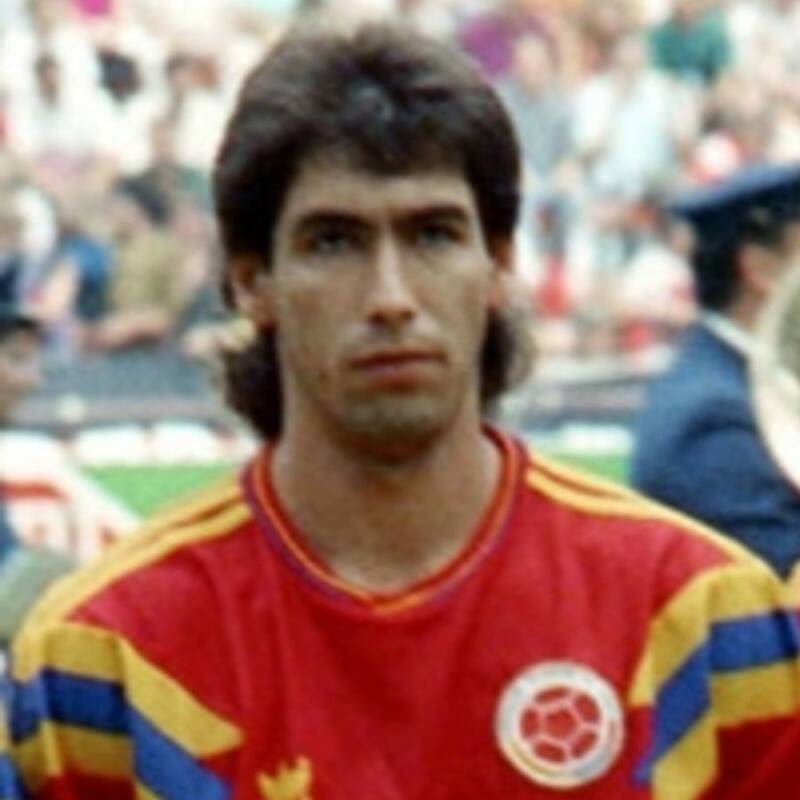
Public DomainColombian soccer star Andrés Escobar in 1990.
On June 22, 1994, Colombian soccer player Andrés Escobar accidentally scored an own goal during a World Cup match against the United States. Just 10 days later, he was shot dead.
Escobar was known as the “Gentleman of Football” for his sportsmanship and integrity on the soccer field. During an era when Colombia was notorious for drug trafficking and cartel murders, Escobar worked hard to promote a positive image of his beloved country. But his murder — which was seemingly carried out in retaliation for his accidental goal — made international headlines that seemingly confirmed the nation’s violent and corrupt reputation.
What Happened During The 1994 World Cup?
Andrés Escobar was born in Medellín, Colombia, in 1967. He began playing soccer in his youth, and he joined the Atlético Nacional youth team in 1985. He became known not just for his skill but for his positive attitude during matches. He earned the nickname “El Caballero de Fútbol,” or the “Gentleman of Football.”
Escobar debuted for the Colombia national team in 1988, and he was later called up for the 1994 World Cup. Colombia lost its first game against Romania, but they still had a chance to stay in the game if they defeated the United States on June 22.
Colombia had a strong showing early in the game, but in the 35th minute, Escobar was trying to block a kick when he accidentally deflected the ball into his team’s own goal. The U.S. won the game two to one, and Colombia was eliminated from the World Cup several days later when the American team emerged victorious from their subsequent match against Romania.
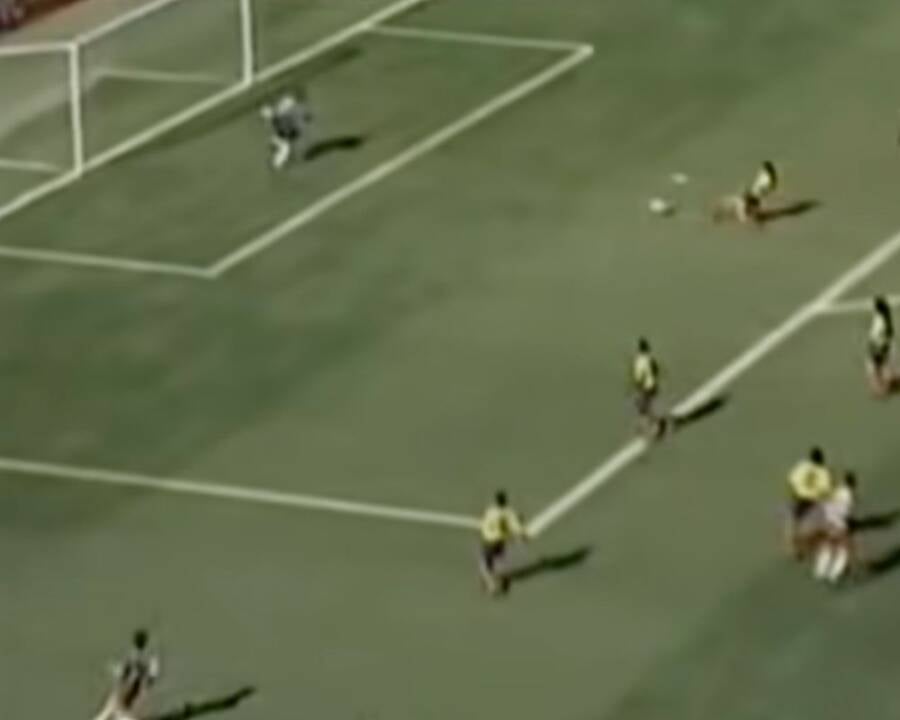
FIFA/YouTubeAndrés Escobar’s own goal during the 1994 World Cup.
Many Colombians blamed Escobar for the loss. Escobar, however, tried his best to keep calm and encourage fans to look beyond the game.
As reported by The Guardian in 2018, Escobar wrote for the Colombian newspaper El Tiempo after his team’s elimination, “Life doesn’t end here. We have to go on. Life cannot end here. No matter how difficult, we must stand back up… It’s been a most amazing and rare experience. We’ll see each other again soon because life does not end here.”
Just days later, Andrés Escobar was dead.
The Murder Of Andrés Escobar
Escobar’s family members urged him not to return to Colombia immediately after the World Cup. His brother, Santiago, was living in Las Vegas at the time and asked Escobar to remain in the U.S. with him while emotions were still high back home. But Escobar wanted to face his critics head-on.
In the early morning hours of July 2, 1994, Escobar went to El Indio nightclub in Medellín with some friends. Around 3 a.m., he was sitting in his car in the parking lot when three men approached him. An argument broke out, and Escobar was shot six times. His killer allegedly shouted, “Goal!” every time he fired his gun.
Andrés Escobar was rushed to the hospital, where he died 45 minutes later. He was 27 years old.
That same day, a man named Humberto Castro Muñoz was arrested for Escobar’s murder. Castro was a bodyguard for drug lord Santiago Gallón, who had purportedly bet a large sum of money on the World Cup match that Colombia lost. This revelation sparked allegations that Escobar was killed in retaliation for his own goal.
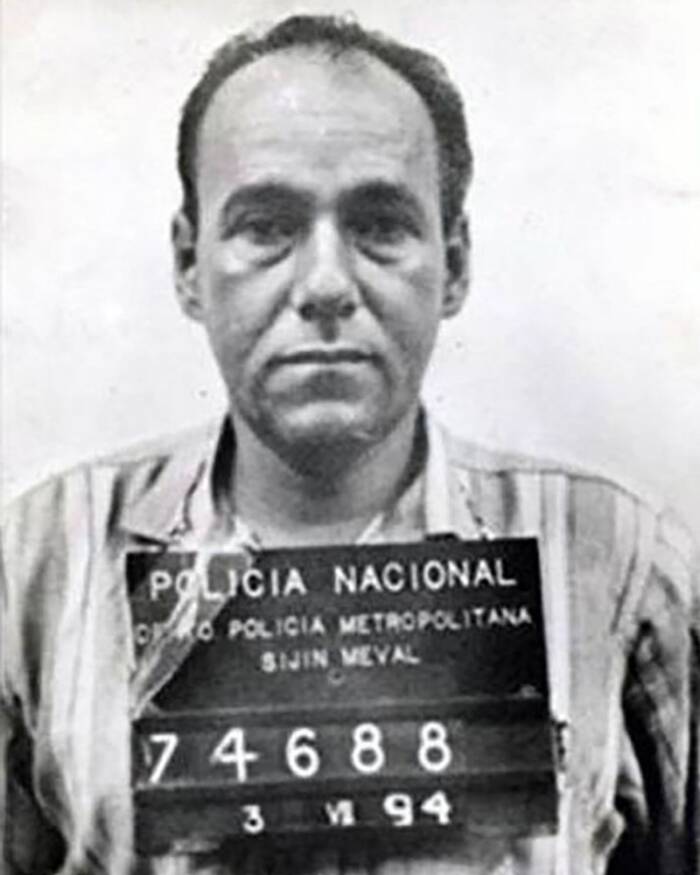
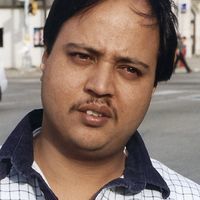
National Police of ColombiaHumberto Castro Muñoz, the man who was convicted of killing Andrés Escobar.
Castro was sentenced to 43 years in prison for the crime, but rumors circulated that Gallón and his brothers had actually killed Escobar and then bribed prosecutors to target Castro, instead. Other people believed that Escobar was simply in the wrong place at the wrong time.
The truth about Escobar’s murder may never come to light, but the memory of “the Gentleman” continues to inspire soccer players and fans around the world.
Following Escobar’s death, his family established the Andrés Escobar Project, which gives children living in poverty the chance to play soccer. The city of Medellín unveiled a statue in his honor in 2002. A community sports complex was named after Escobar, and Netflix released a miniseries called Goles en contra based on his life.
RIVER OF GOODS Stained Glass Bird Accent Lamp - 8" W x 13.5" H - Tiffany Style Table Lamps for Home, Office Desk, Bedroom, Nightstand - Blue Jay Decor
(as of September 17, 2026 00:42 GMT +00:00 - More infoProduct prices and availability are accurate as of the date/time indicated and are subject to change. Any price and availability information displayed on [relevant Amazon Site(s), as applicable] at the time of purchase will apply to the purchase of this product.)
1MORE Triple Driver In-Ear Headphones - Silver - Wired - Adult - In Ear - 18 grams - 90 days limited warranty
(as of September 17, 2026 00:42 GMT +00:00 - More infoProduct prices and availability are accurate as of the date/time indicated and are subject to change. Any price and availability information displayed on [relevant Amazon Site(s), as applicable] at the time of purchase will apply to the purchase of this product.)
PROMIXX FORM Sports Water Bottle - Premium BPA Free Water Bottle for Fitness Sports & Outdoors - Sustainable Drinks Bottle with Measurement Markers and Leakproof Lid - 760ml / 26oz (Midnight Blue)
$18.22 (as of September 17, 2026 00:42 GMT +00:00 - More infoProduct prices and availability are accurate as of the date/time indicated and are subject to change. Any price and availability information displayed on [relevant Amazon Site(s), as applicable] at the time of purchase will apply to the purchase of this product.)
Supa Ant Fire Blanket -Certified 1200F Extra Thick, Glow in The Dark | Glow in The Dark Emergency Supplies 500gsm, 0.5mm Thick Wearable Fire Blankets for Home. Emergency Blanket with Cape & Hood
$83.99 (as of September 17, 2026 00:42 GMT +00:00 - More infoProduct prices and availability are accurate as of the date/time indicated and are subject to change. Any price and availability information displayed on [relevant Amazon Site(s), as applicable] at the time of purchase will apply to the purchase of this product.)