Why The Odyssey’s Satirical Swipe at Elon Musk Unmasks a Deeper, Unsettling Truth
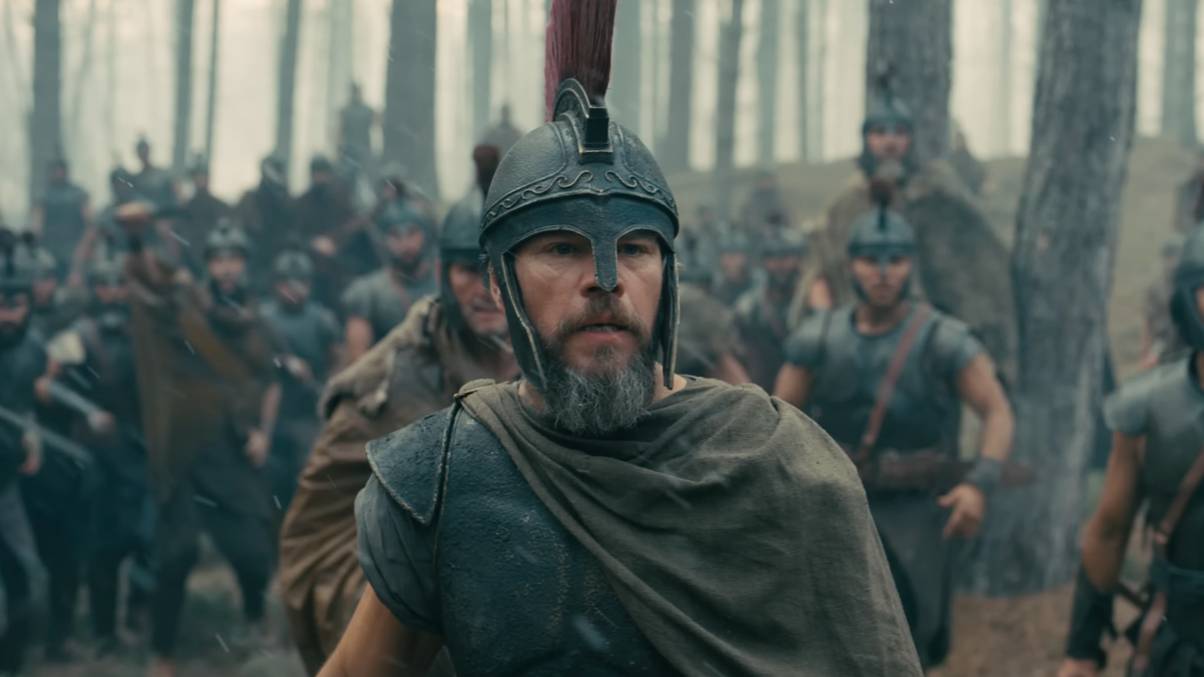
When was the last time a movie turned into a full-blown epic on social media before it even finished its opening weekend? Well, Christopher Nolan’s “The Odyssey” has entered the arena—armor gleaming, accent ready, and, apparently, history in the rearview mirror. Early critics marveled. Twitter (or should I say, X?) did what it does best: ignite a firestorm over whether Helen of Troy should, could, or would have looked like Lupita Nyong’o, or if Homer’s poetic vision ever involved American accents and banter about “daddy issues.” I get whiplash just trying to keep up with the demands for “historical accuracy” in a story that features one-eyed giants and gods with a flair for dramatic entrances. It’s wild, really—Odysseus outsmarted Poseidon, but Nolan’s just trying to outsmart the “accuracy” police. The whole saga makes me wonder: are we watching a film or competing for a Best in Pedantry trophy? Pour yourself a glass of wine (Greek, if you’re a stickler), and let’s plunge headfirst into this theatrical maelstrom. LEARN MORE.
The Odyssey has been mired in controversy around the idea that the masterpiece movie is not realistic.
Early reviews have hailed the movie as one of the greatest in Christopher Nolan’s stacked catalogue. Yet the online debate has often centred around the idea of historical accuracy in the armour, the dialogue, and in some cases, the casting.
Elon Musk has been one of the chief critics of the film, firing shots about Lupita Nyong’o’s casting as Helen of Troy and calling it ‘woke’ in a series of posts to X account on the platform he also owns.
Stating that Nyong’o couldn’t star as the iconic character, the billionaire’s criticism touches on a major issue with the discussion around the film. The Odyssey is not a real historical story. And Odysseus, Helen of Troy, Telemachus, and Athena are not real people but mythical figures.
The Odyssey, written by Homer whose other work includes The Iliad, is one of the oldest recorded stories in history. And like the vast majority of Greek epics, the story would change over the years with different interpretations, performances, and translations.
LADbible spoke exclusively to Joel Christensen, Professor of Classics and Provost of the CUNY Graduate Center in New York City, who has written a new book on The Odyssey. He explained that ‘historical accuracy’ isn’t even an accurate term itself when talking about Homer’s work.
He said: “There is no historically accurate armour in Homer. The epics depict several distinct periods. Complaining about the representation of their armour is like complaining about plate mail and chain mail coexisting in a movie set in Arthurian England.
“These stories are fantasies of the past that represent the interests of their audiences, nothing true about the past.”
The expert on The Odyssey added that it’s important to note that ancient audiences ‘knew that the events happened during the mythical race of heroes’ and that when people complain about this casting they ‘assume that racial categories from the modern world map onto the ancient world’, whilst this is of course not the case.
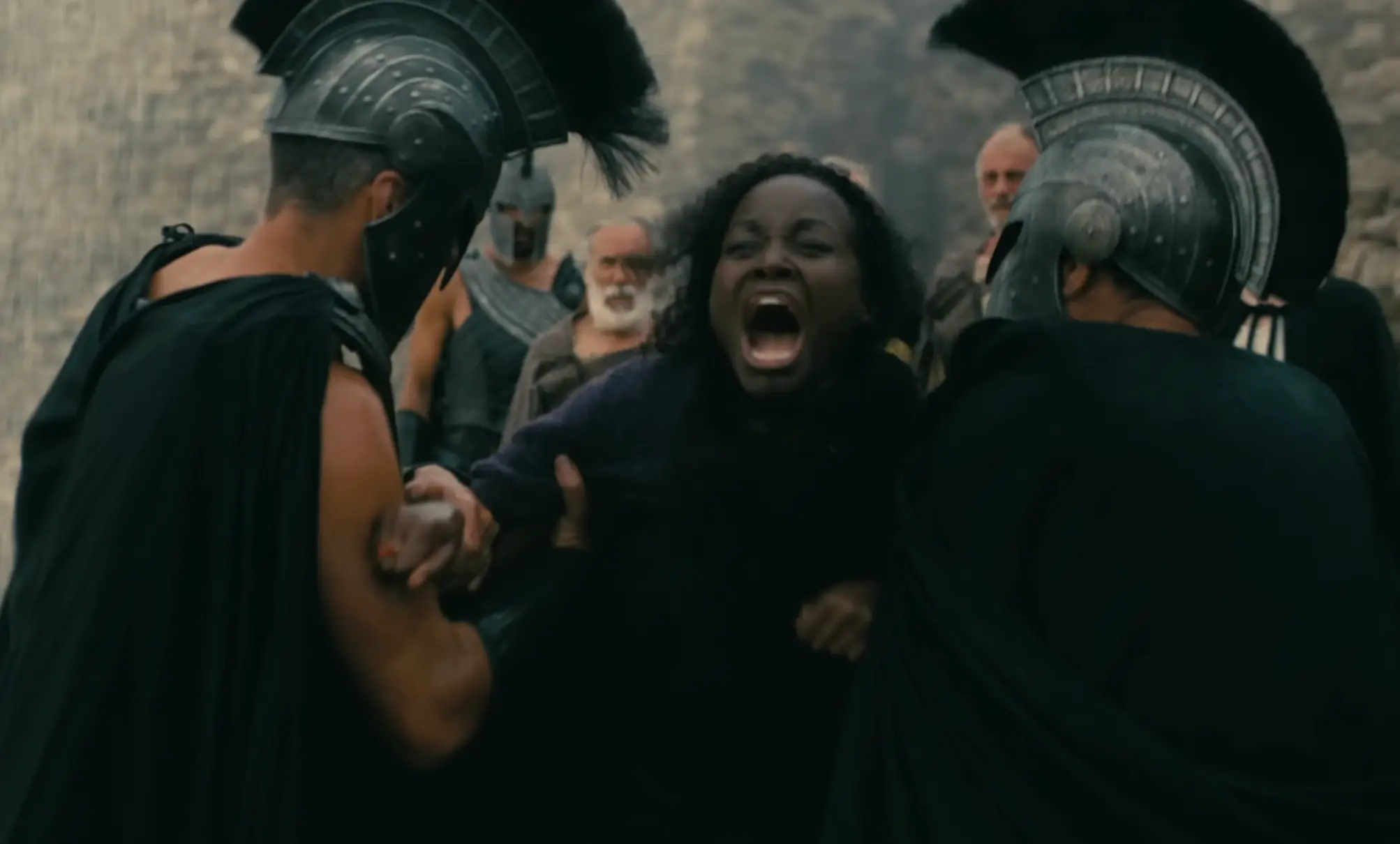
Lupita Nyong’o plays Helen of Troy in the film (Universal Pictures)
Where Christensen conceded that things become more ‘thorny’, however, is in the criticism of the vocabulary and accents used in The Odyssey.
The entire cast, including British actors such as Tom Holland and Robert Pattinson, use American accents in the film and the trailer received widespread, and more measured, criticism for Pattinson’s Antinuous mocking Holland’s Telemachus about his ‘daddy’.
Christensen added: “People expect Homer to have ‘elevated’ language. Some translations do, others are more in the vernacular of the audiences so that the story comes across.
“Typically, we expect ancient sword and sandal films to have somewhat British elocution. Nolan decided to focus on the story.
“Again, this is more about the cultural position of Homer and audience expectation than anything else. In the original Greek, Homer is a marked poetic dialect that was distinct from any regular vernacular. We don’t have an equivalent in English.”
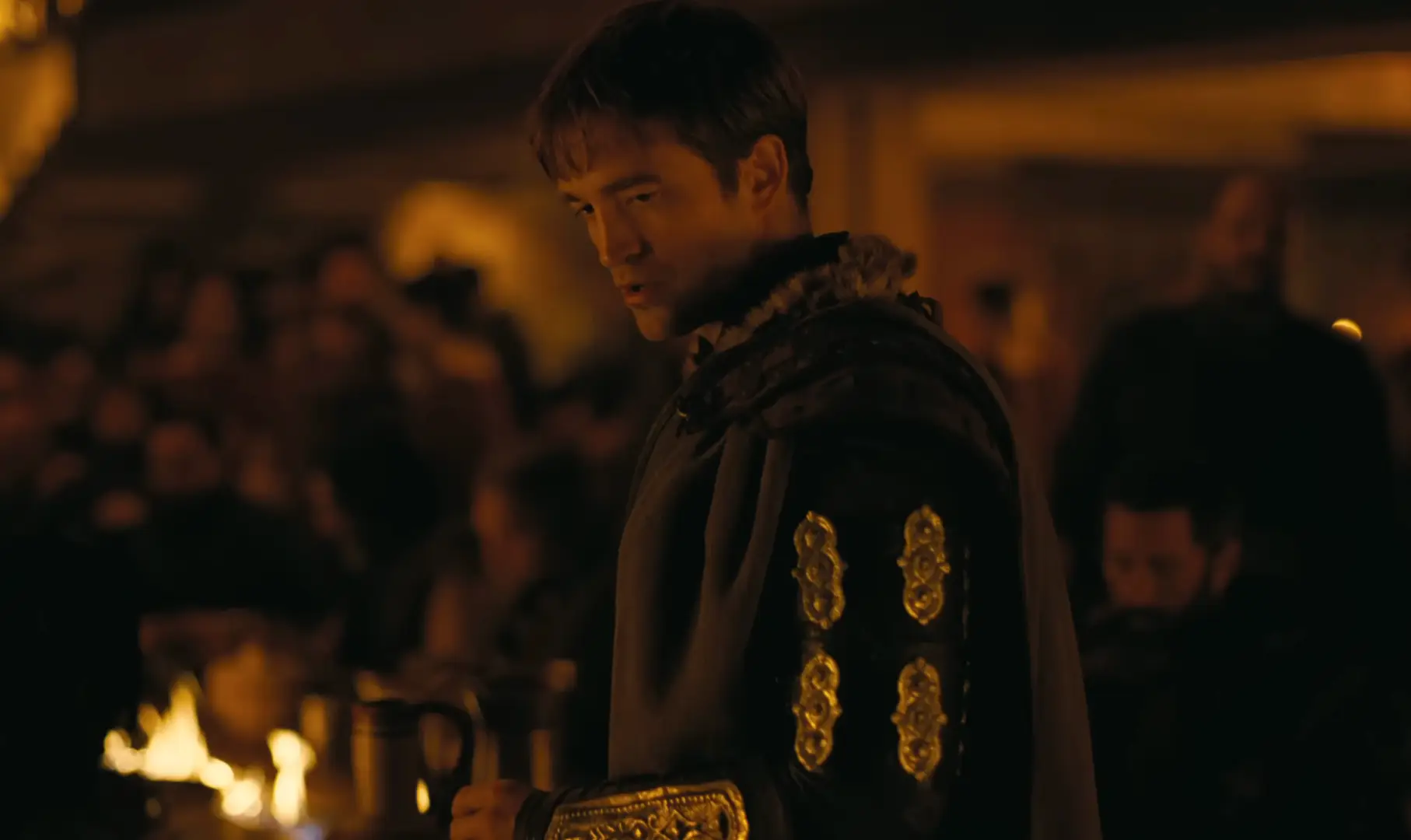
Robert Pattinson’s dialogue from the trailers came under fire, but if it’s not in ancient greek anyways is it really that important? (Universal Pictures)
Christopher Nolan himself spoke about the decision to have the language be closer to modern English, telling the Los Angeles Times that he wanted to prioritise ‘language that has emotional not intellectual meaning to people’.
He added: “I was maybe being naive, it might bite me on the ass, but I wanted an earthy narrative. To me it was a no-brainer.”
Ultimately, what people think they are asking for when they ask for ‘historical accuracy’ is just as historically inaccurate as what Nolan put on screen.
If he had everyone speaking in a lofty British accent like a 1960s historical epic there would be less complaints; but The Odyssey was written in ancient Greek and so if people wanted actual accuracy they would need to get used to watching with subtitles.
Elon Musk’s claims that Lupita Nyong’o – one of the best and most beautiful actresses in Hollywood – is a poor fit to play Helen of Troy is based on nothing but a fictional piece of text. The best thing to do is react how Tom Holland (the historian, not the actor) did when faced with the billionaire’s whining.
He replied to Musk on X, saying: “Very happy to say it again. The Odyssey is an amazing film, and missing out on seeing it because you think it’s woke or whatever is cutting off your nose to spite your face. Your loss.”
The Odyssey is available to watch in cinemas now.

Supa Ant Fire Blanket -Certified 1200F Extra Thick, Glow in The Dark | Glow in The Dark Emergency Supplies 500gsm, 0.5mm Thick Wearable Fire Blankets for Home. Emergency Blanket with Cape & Hood
$83.99 (as of September 10, 2026 00:38 GMT +00:00 - More infoProduct prices and availability are accurate as of the date/time indicated and are subject to change. Any price and availability information displayed on [relevant Amazon Site(s), as applicable] at the time of purchase will apply to the purchase of this product.)
RIVER OF GOODS Alabaster LED Mesh Caged Ceiling Fan - 52" L X 52" W - White/Oak Wood-Grain Blades
(as of September 10, 2026 00:38 GMT +00:00 - More infoProduct prices and availability are accurate as of the date/time indicated and are subject to change. Any price and availability information displayed on [relevant Amazon Site(s), as applicable] at the time of purchase will apply to the purchase of this product.)
Skater Trainer Wheels - Beginners get Skateboard Tricks Fast, Safe and Fun | Viral accessory gift - Helps beginners stay excited about their new skateboard - Kids & parents love these
$28.99 (as of September 10, 2026 00:38 GMT +00:00 - More infoProduct prices and availability are accurate as of the date/time indicated and are subject to change. Any price and availability information displayed on [relevant Amazon Site(s), as applicable] at the time of purchase will apply to the purchase of this product.)
PROMIXX FORM Sports Water Bottle 26oz, Leakproof BPA-Free, Graphite Gray | Premium Large Drinks Bottle With Measurement Markers For Hydration, Infusions And Supplements, Lifetime Durability
$17.60 (as of September 10, 2026 00:38 GMT +00:00 - More infoProduct prices and availability are accurate as of the date/time indicated and are subject to change. Any price and availability information displayed on [relevant Amazon Site(s), as applicable] at the time of purchase will apply to the purchase of this product.)