After 241 Days in Space, Astronauts Face a Surprising Struggle—Relearning How to Walk on Earth!
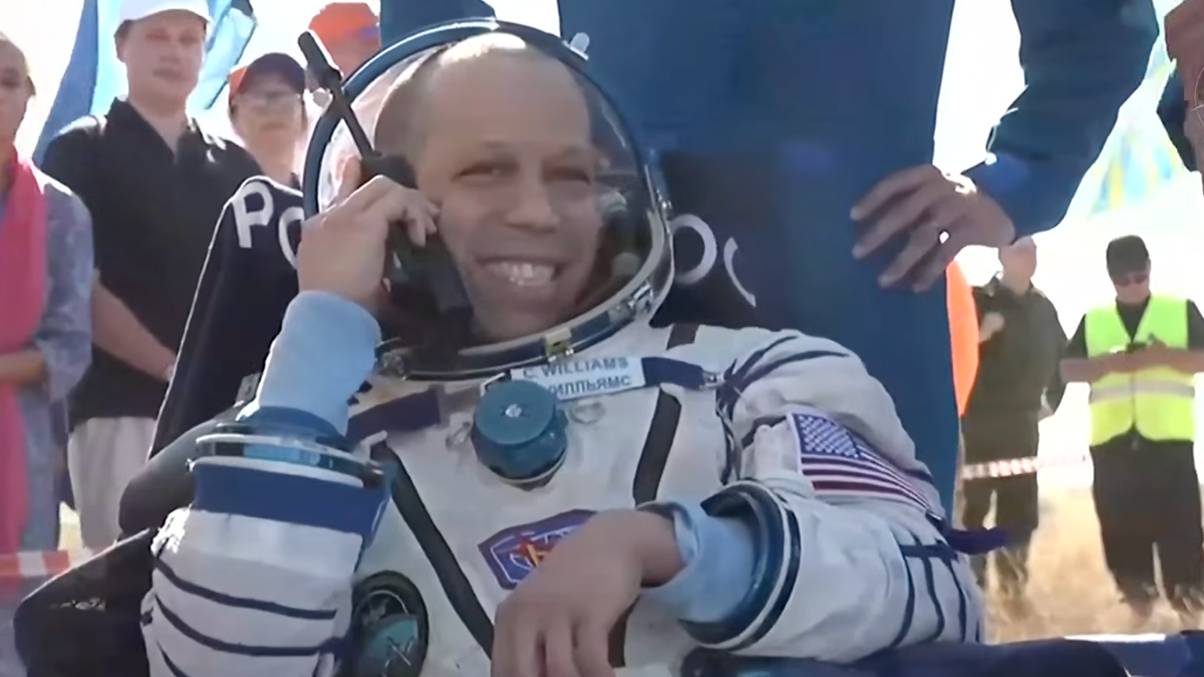
Ever wonder what it’s like to come back down to Earth after floating around in space for eight months? Spoiler alert: your legs will totally throw a tantrum. Turns out, Russian cosmonauts Sergey Kud-Sverchkov and Sergey Mikaev, along with NASA’s Chris Williams, have touched down after a 241-day marathon aboard the International Space Station—and now they’re facing the ultimate “use it or lose it” reality check. Your muscles, especially in the legs, have been chilling in zero gravity, hardly carrying any weight, so adjusting back to good old-fashioned gravity is like suddenly carrying around an invisible, stubborn elephant. Lucky for them, strong workouts on the ISS help, but getting re-grounded (literally) takes some serious rehab and patience. So next time your knees groan after a brisk walk, just remember—these astronauts have it way worse!
Astronauts coming back to Earth from the International Space Station require rehabilitative therapy to get them back on their feet, literally.
Russian cosmonauts Commander Sergey Kud-Sverchkov and flight engineer Sergey Mikaev, and NASA astronaut Chris Williams have recently landed back on Earth after completing a 241 day mission on board the ISS, which could potentially impact on their strength and mobility now they have returned.
Your body works very much on a ‘use it or lose it’ principle, so if you stop using your muscles regularly, then over time those muscles will start to weaken.
You use your legs every day to walk, with them taking your body weight all the time that you’re standing, walking, or running.
When you’re in space, you’re using your legs more to push yourself around in zero gravity, which is far less strenuous, so when you come back to Earth, suddenly your legs have to take your while bodyweight again.
Fortunately, astronauts can carry out strength training exercises in space to help mitigate this, and working out is an important part of life on board the ISS to help minimise the impact when they return to Earth.
But there’s another issue as well, which is that they also have to reorient themselves to dealing with gravity again.
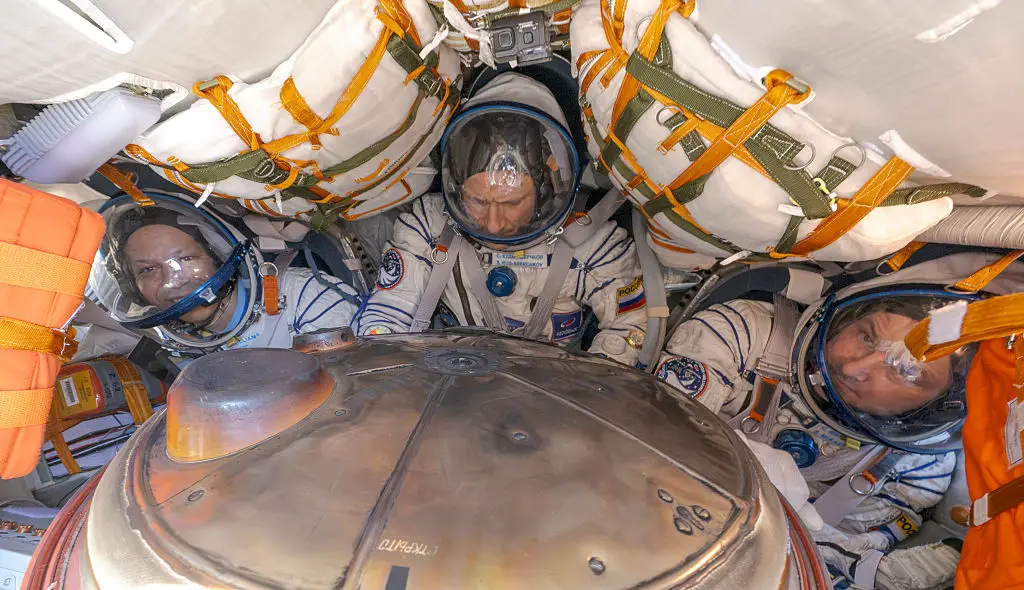
The astronaut and two cosmonauts inside the space craft (Bill Ingalls/NASA via Getty Images)
Back in 1998 a study in Brain Research Reviews looked at how people adapt to weightlessness by moving their bodies in different ways, and these ways of moving are not always useful on Earth.
The review looked at how astronauts need a recovery period when they return to Earth, because gravity is also a reference point for us here as well, though the vast majority of us are constantly immersed in it so don’t notice.
“I am feeling better and better with each moment,” said Kud-Sverchkov. “I would like to thank everyone who supported this landing. Everything was smooth and perfect. Everything was just excellent.”
Williams also paid tribute to his crew mates, saying before launch: “It’s a really great crew,” he said in a NASA interview before launch. Sergey and Sergey are both just absolutely wonderful people, really kind, super interested, super intellectually curious, which is really fun.
“Had a lot of really, really great discussions, just talking and talking about things.”
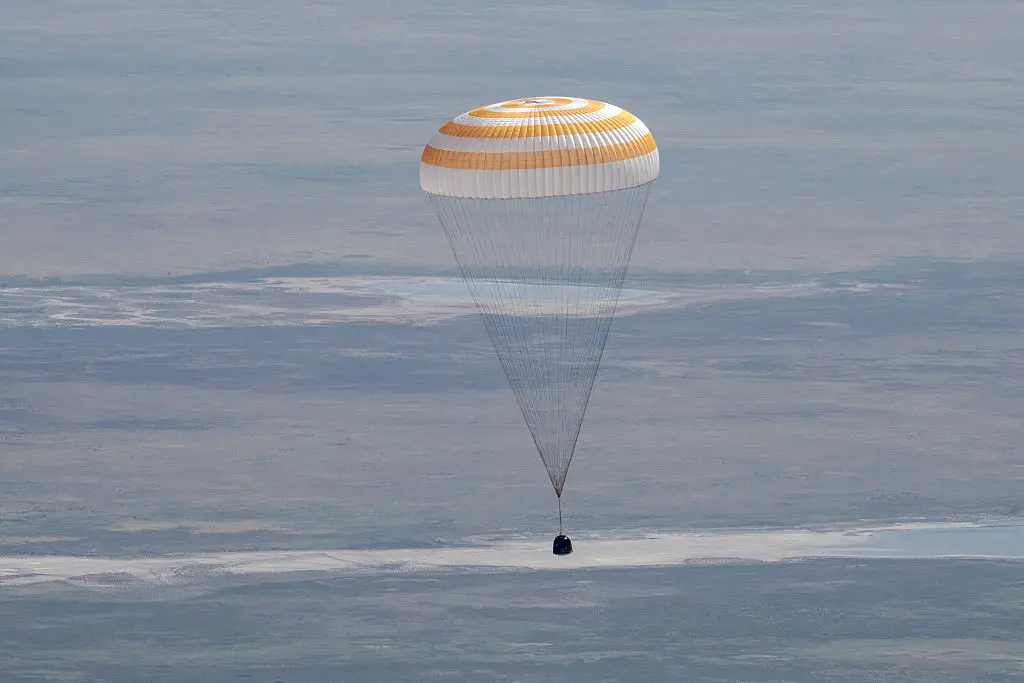
The capsule landed safely (Bill Ingalls/NASA via Getty Images)
The trio landed with parachutes at 5:27am CDT just southeast of Dzhezkazgan after leaving the ISS at 2:03am on the Soyuz MS-28 spacecraft.
During their 241-day-long mission they orbited the Earth 3,856 times and travelled over 102 million miles.
After landing, the crew had checkups before taking a helicopter to Karaganda in Kazakhstan to meet with recovery teams, and Williams will board a NASA aircraft to fly to the Johnson Space Center in Houston.
In a statement after their safe return, NASA said: “For more than 25 years, people have lived and worked continuously aboard the International Space Station, advancing scientific knowledge and making research breakthroughs not possible on Earth.
“The space station helps NASA understand and overcome the challenges of human spaceflight, expand commercial opportunities in low Earth orbit, and build on the foundation for long-duration missions to the Moon, as part of the Artemis program, and to Mars.”
Kinsa Smart,Fever, Digital Medical Baby, Kid and Adult Termometro - Accurate, Fast, FDA Cleared Thermometer for Oral, Armpit or Rectal Temperature Reading - QuickCare
$18.94 (as of October 25, 2026 01:02 GMT +00:00 - More infoProduct prices and availability are accurate as of the date/time indicated and are subject to change. Any price and availability information displayed on [relevant Amazon Site(s), as applicable] at the time of purchase will apply to the purchase of this product.)
Skater Trainer Wheels - Beginners get Skateboard Tricks Fast, Safe and Fun | Viral accessory gift - Helps beginners stay excited about their new skateboard - Kids & parents love these
$28.99 (as of October 25, 2026 01:02 GMT +00:00 - More infoProduct prices and availability are accurate as of the date/time indicated and are subject to change. Any price and availability information displayed on [relevant Amazon Site(s), as applicable] at the time of purchase will apply to the purchase of this product.)
PROMIXX FORM Protein Shaker Bottle - A Premium Shaker Bottle for Protein Shakes Infusions and Hydration - Durable Gym Shaker Bottle, Leakproof Lid, Odorless - 26oz (Graphite Gray)
$12.99 (as of October 25, 2026 01:02 GMT +00:00 - More infoProduct prices and availability are accurate as of the date/time indicated and are subject to change. Any price and availability information displayed on [relevant Amazon Site(s), as applicable] at the time of purchase will apply to the purchase of this product.)
RIVER OF GOODS Stained Glass Magna Carta LED Ceiling Fan - 52" L x 52" W - Tiffany Style - Flush Mount Ceiling Fan with Remote - Teal
(as of October 25, 2026 01:02 GMT +00:00 - More infoProduct prices and availability are accurate as of the date/time indicated and are subject to change. Any price and availability information displayed on [relevant Amazon Site(s), as applicable] at the time of purchase will apply to the purchase of this product.)