Ancient Turtle Figurines Unearthed in Turkish Cave Hint at Mysterious Prehistoric Culture Dating Back 16,500 Years
Imagine stumbling upon a collection of tiny turtle sculptures so ancient, they predate farming by thousands of years — carved out of limestone and clay, some measuring up to a hefty 12 inches long. Well, that’s exactly what a team of archaeologists unearthed in a cave near Gedikkaya Hill, northwestern Turkey: 25 prehistoric turtle figurines dating back as far as 14,500 B.C.E. Now, here’s the kicker — these aren’t your average decorative trinkets. The rough shapes and the odd way they’re buried upright in the soil hint at something far more mysterious and ritualistic. Were these turtles lucky charms, spirit guides, or markers of some forgotten Ice Age cult? The symbols left behind tease us with questions, sparking wonder about the ceremonial lives of hunter-gatherer communities from the distant past. It’s a fascinating peek into a world where turtles might have meant everything from longevity to mountain worship — or maybe they were just really, really good at scuttling into prehistoric hearts. Curious to dive deeper into this shell of history? LEARN MORE.
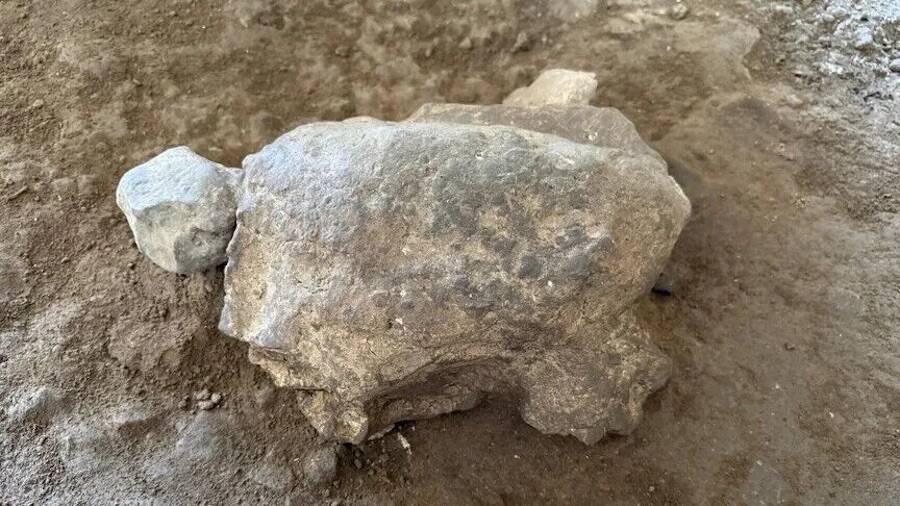
These 25 turtle carvings found at Gedikkaya Hill were made of limestone and clay, with the largest measuring 12 inches long by eight inches wide.
AATurtle iconography was widespread and varied in the prehistoric world, leaving researchers unsure about what these particular turtles were meant to symbolize.
Archaeologists excavating a cave near Gedikkaya Hill in northwestern Turkey discovered approximately 25 limestone turtle figurines that date as far back as 14500 B.C.E.
Although more analysis must be done to determine the purpose of these sculptures, researchers suspect that they played a ritualistic role, and could thus provide rare insight into prehistoric ceremonial practices in the region.
The Discovery Of 25 Prehistoric Turtle Figurines Inside A Turkish Cave
The figurines were found inside İn Cave in the İnhisar district of Bilecik Province. The excavations were conducted between May and July 2026, and led by Professor Deniz Sarı of Bilecik Şeyh Edebali University.
About 25 turtle figurines were found in all — most of them limestone, while a few were reportedly also covered with clay. The largest turtle measures about 12 inches long by eight inches wide.
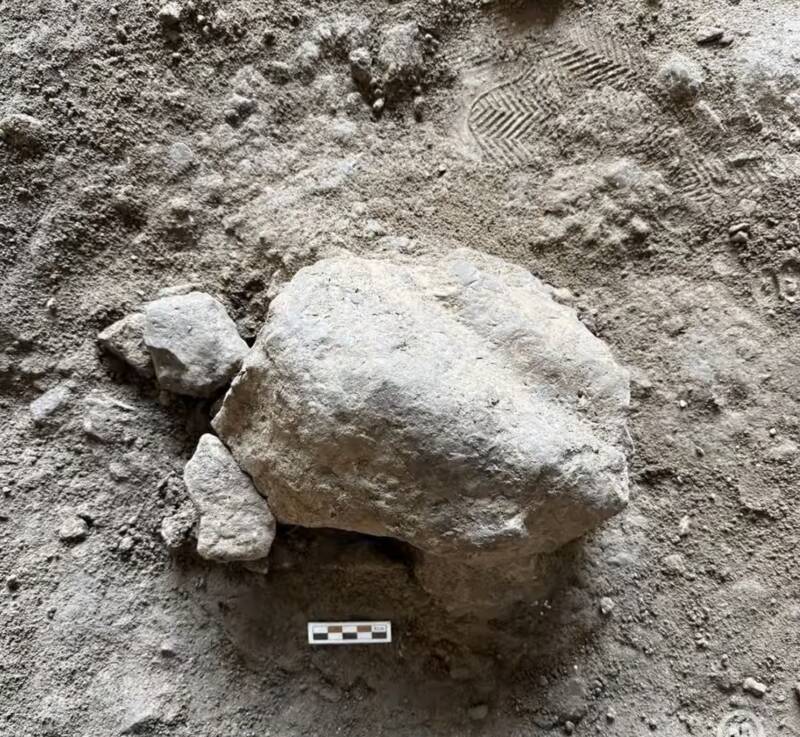
AA/FacebookThe turtles generally remain intact, even after 16,500 years.
Radiocarbon dating has indicated that the sculptures were fashioned somewhere between 14,500 B.C.E. and 11,200 B.C.E., which would place the artifacts in the Epipaleolithic period.
In 2017, during surface surveys, researchers discovered the possible presence of prehistoric archaeological treasures within the cave. Then, excavations conducted by the Bilecik Museum occurred between 2019 and 2023, and once again in 2026.
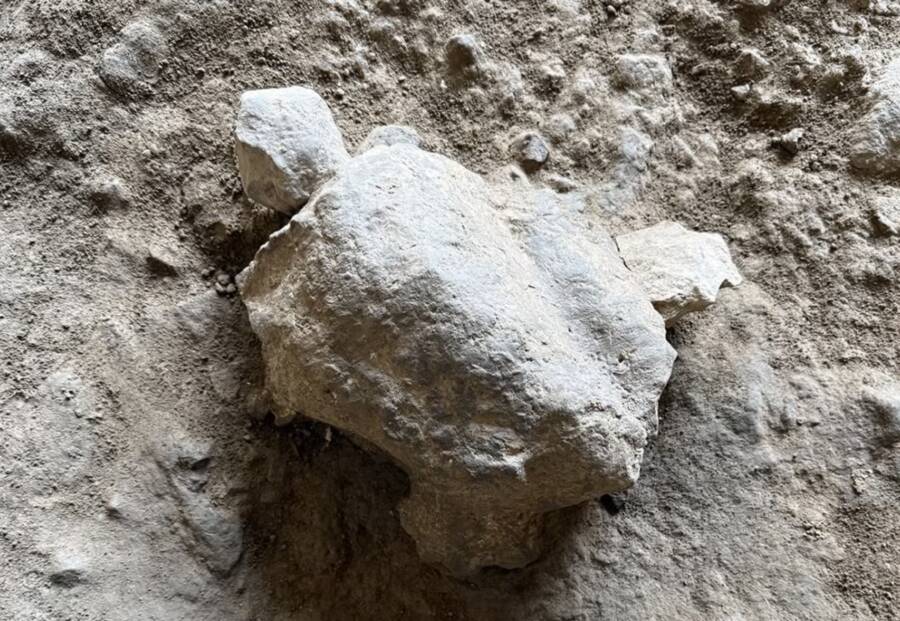
AA/FacebookMost of the sculptures were in rough shape, indicating to researchers that they were not carved for decorative purposes — but instead for ritualistic ones.
This year’s discovery of the turtle figurines has given researchers insight into the role that this cave served during the late Ice Age. Rather than being a purely domestic cave, the site could have also had ritualistic functions as well.
“The artefacts unearthed showed us that this is an important cult and ritual area,” excavations leader Sarı said to the Turkish news outlet AA. “With the turtle figurines we found this year, the ritual context of the cave has been taken to a different dimension.”
What This Find Could Reveal About Ice Age Rituals In The Region
Many of these turtle figurines had been roughly shaped, which researchers do not view as the result of unskilled craftsmanship, but rather evidence for the theory that these objects were produced specifically for ritual uses rather than fine decorations to simply be displayed.
Sarı furthermore suggested that the figurines may have been placed deliberately into the ground, which would indicate a ritualistic function, rather than a decorative one.
“There is a circular architectural arrangement here. Around it, we found turtle figurines made from limestone, many of them incomplete or quickly shaped, inserted upright into the soil,” Sarı said.
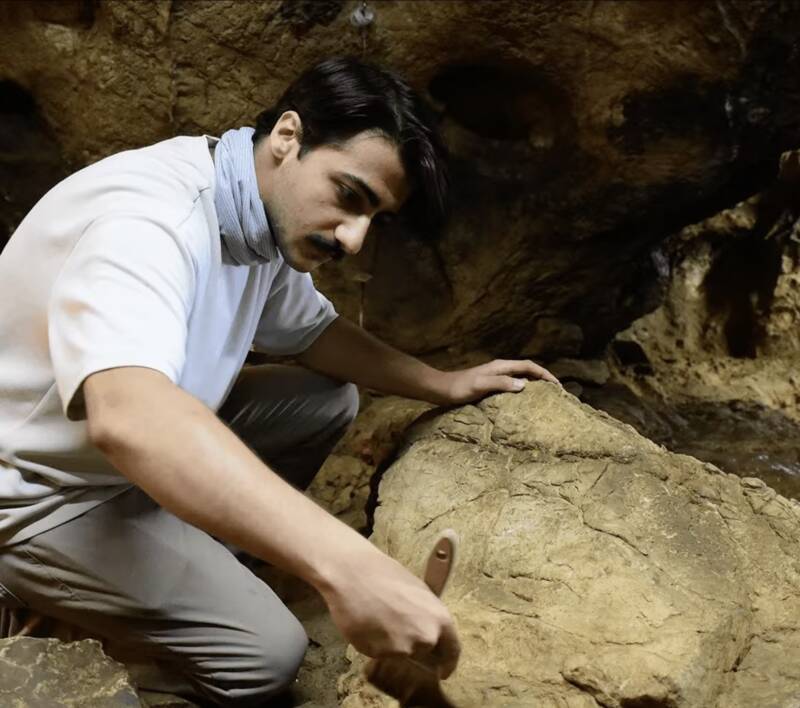
AA/FacebookResearchers believe that the turtle figurines served a ritualistic purpose, though what exactly that may have been remains unknown.
Sarı compared the arrangement of the figurines with much later practices associated with Hidirellez, a traditional spring festival where people write down wishes and bury them.
Researchers are also entertaining a theory that the prehistoric communities around the cave viewed the shape of Gedikkaya Hill as resembling a turtle. Sarı told AA that some of the smaller sculptures seem to have been deliberately designed in a shape reminiscent of the hill.
If more evidence for this theory emerges, it could point to a prehistoric reverence for the natural landscape and early proof of what archaeologists could describe as a mountain cult.
However, Sarı cautioned that more analysis needs to be done before making any conclusive interpretations.
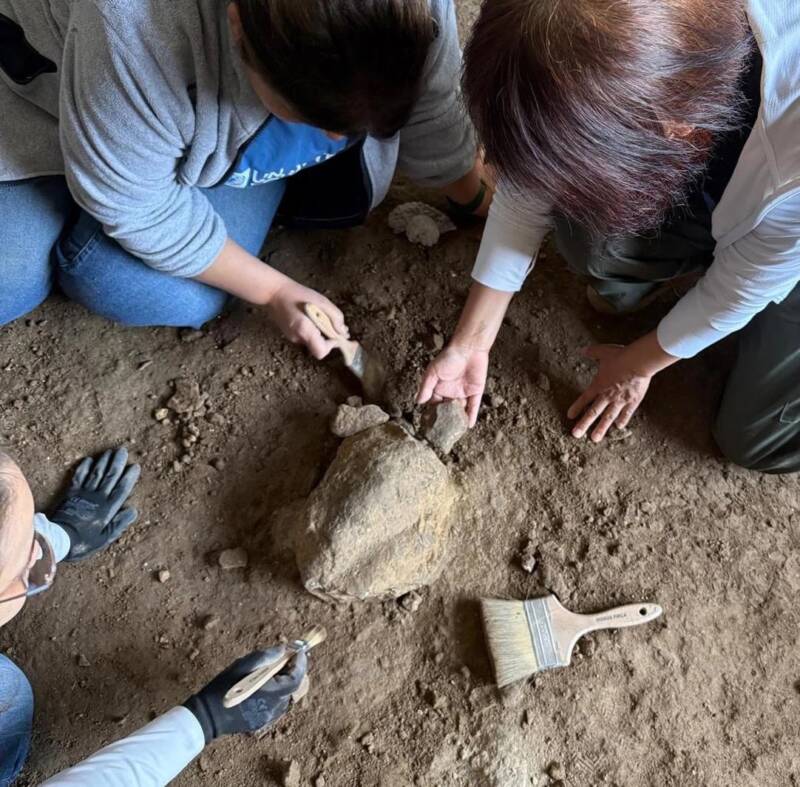
AAIn the prehistoric world, turtles could symbolize everything from longevity to resilience to good fortune.
Turtle symbolism is known to be significant in other prehistoric contexts and societies, including the Natufian culture of the Near East and even earlier Upper Paleolithic communities.

Kinsa Smart,Fever, Digital Medical Baby, Kid and Adult Termometro - Accurate, Fast, FDA Cleared Thermometer for Oral, Armpit or Rectal Temperature Reading - QuickCare
$18.94 (as of October 7, 2026 00:56 GMT +00:00 - More infoProduct prices and availability are accurate as of the date/time indicated and are subject to change. Any price and availability information displayed on [relevant Amazon Site(s), as applicable] at the time of purchase will apply to the purchase of this product.)
Joking Hazard Enlarged Box Empty Box for Card Storage
$12.00 (as of October 7, 2026 00:56 GMT +00:00 - More infoProduct prices and availability are accurate as of the date/time indicated and are subject to change. Any price and availability information displayed on [relevant Amazon Site(s), as applicable] at the time of purchase will apply to the purchase of this product.)
RIVER OF GOODS Mid-Century Modern Transitional LED Bronze Chrome Ceiling Fan - 52" L x 52" W - Rich Barnwood/Light Driftwood Fan Blades - Metallic Ceiling Fan with Light and Fabric Shade
(as of October 7, 2026 00:56 GMT +00:00 - More infoProduct prices and availability are accurate as of the date/time indicated and are subject to change. Any price and availability information displayed on [relevant Amazon Site(s), as applicable] at the time of purchase will apply to the purchase of this product.)
White Leaf Baby Food Pouches, Toddler Snack, Mango + Carrot + Banana + Pear | 24 Pack, Organic No Added Sugar, Non-GMO, BPA-Free Regeneratively Farmed, Squeeze Puree Smoothie Pouch for Adults & Children
$69.95 (as of October 7, 2026 00:56 GMT +00:00 - More infoProduct prices and availability are accurate as of the date/time indicated and are subject to change. Any price and availability information displayed on [relevant Amazon Site(s), as applicable] at the time of purchase will apply to the purchase of this product.)