Are You Doomed? Experts Reveal Shocking UK Locations Where Survival Odds Are Slimmest in an Apocalypse
So, you’ve been wondering where to duck and cover when the inevitable apocalypse decides to knock on our door? With AI whispering threats of human extinction and doomsday predictions popping up like unwelcome pop-up ads, it’s only natural to ponder the best — and worst — hideouts on this spinning rock of ours. Well, sit tight because a fresh study by Florian Jehn and his brainy crew at Goethe University Frankfurt just did the legwork, mapping out which countries could actually cope if the world went belly-up. They threw population stats, geography, and natural resources into the blender against catastrophic scenarios like nuclear winters, cyber meltdowns, and pandemics. Spoiler alert: our mates Down Under are looking pretty darn resilient, but it’s not all sunshine and kangaroos — floods and bushfires lurk too. Oh, and if you’re thinking of city life as your bunker, think again; urban jungles might be, well, death traps in disguise. So, where exactly should you stash your canned beans? Buckle up and dive in, because this guide is your post-apocalyptic GPS… although, as the experts warn, there really is no true safe haven — we’re all in the same sinking ship here! LEARN MORE
Experts have weighed up the very best and very worst places to be if an apocalypse breaks out.
With all this recent talk of AI wiping out humanity and doomsday predictions that are creeping ever closer, you might have spent some time thinking about where in the world you’d hide out if things went wrong.
Well, a new study published in the journal Global Challenge has now done the hard work for you.
The study led by Florian Jehn, a professor at Goethe University Frankfurt, looked at population, geographical features and the abundance of natural resources on offer and weighed these against three types disaster: an event that blocks out sunlight and destroys food production, like a nuclear attack; cyberattacks and those can knock out power grids and communication infrastructure; and biological threats, such as pandemics.

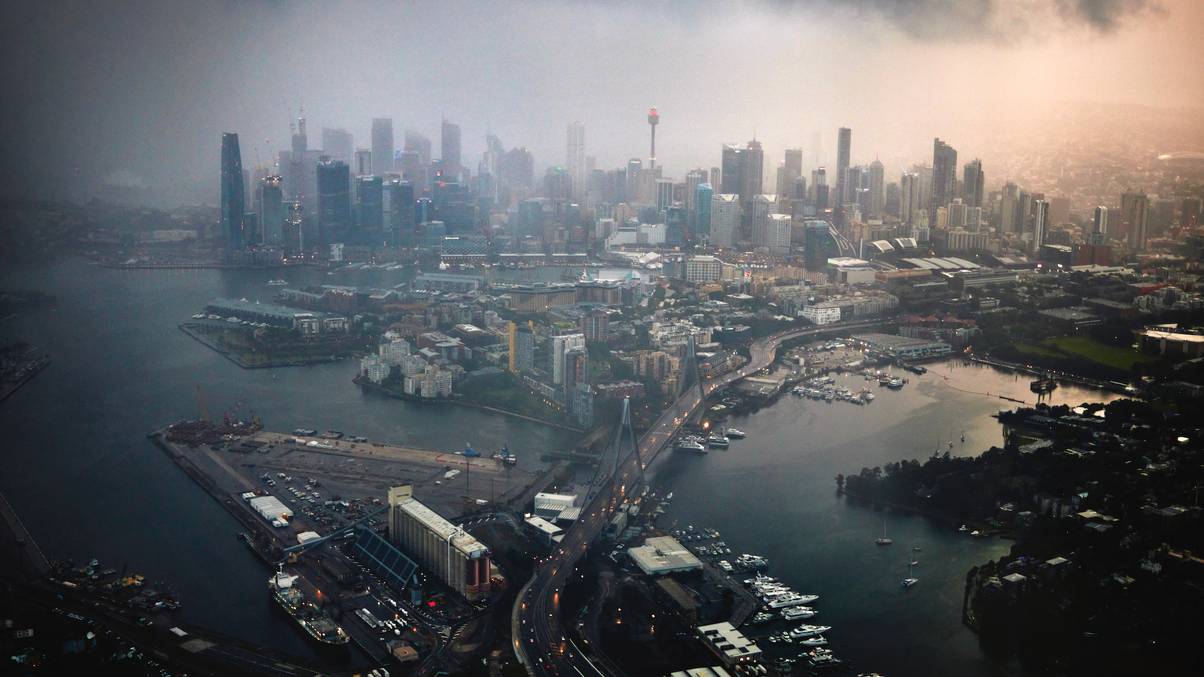
Scientists have determined the best and worst places to be in case of apocalypse (Getty stock image)
The team crunched the data across the three doomsday scenarios to determine which country could cope with an apocalypse the best… and which were not so great.
And it turns out that our Antipodean friends are the lucky ones, according to the study.
The researchers found that Australia is ‘likely the most resilient place on Earth’.
The experts said Australia is remote, rich in minerals and energy and is able to provide more food than it needs.
The study particularly highlighted the island of Tasmania, which Jenh said ‘has all the same things going for it as Australia, but could even further isolate itself’.
However, Aussie didn’t come without its own potential pitfalls, while it scored points for being in the southern hemisphere, Jehn told The Times that it was at risk of floods and bushfires.
Australia’s neighbour New Zealand also scored well in the research, as did Argentina, Brazil, and Uruguay.
At the other end of the scale, Jehns said Russia as it ‘is far north, so [in a nuclear winter scenario] it takes the worst of the cooling’.
He told The Times: “It is a top nuclear target, and it scores poorly on governance, inequality and corruption. Those are the factors that matter most and are hard to change.”
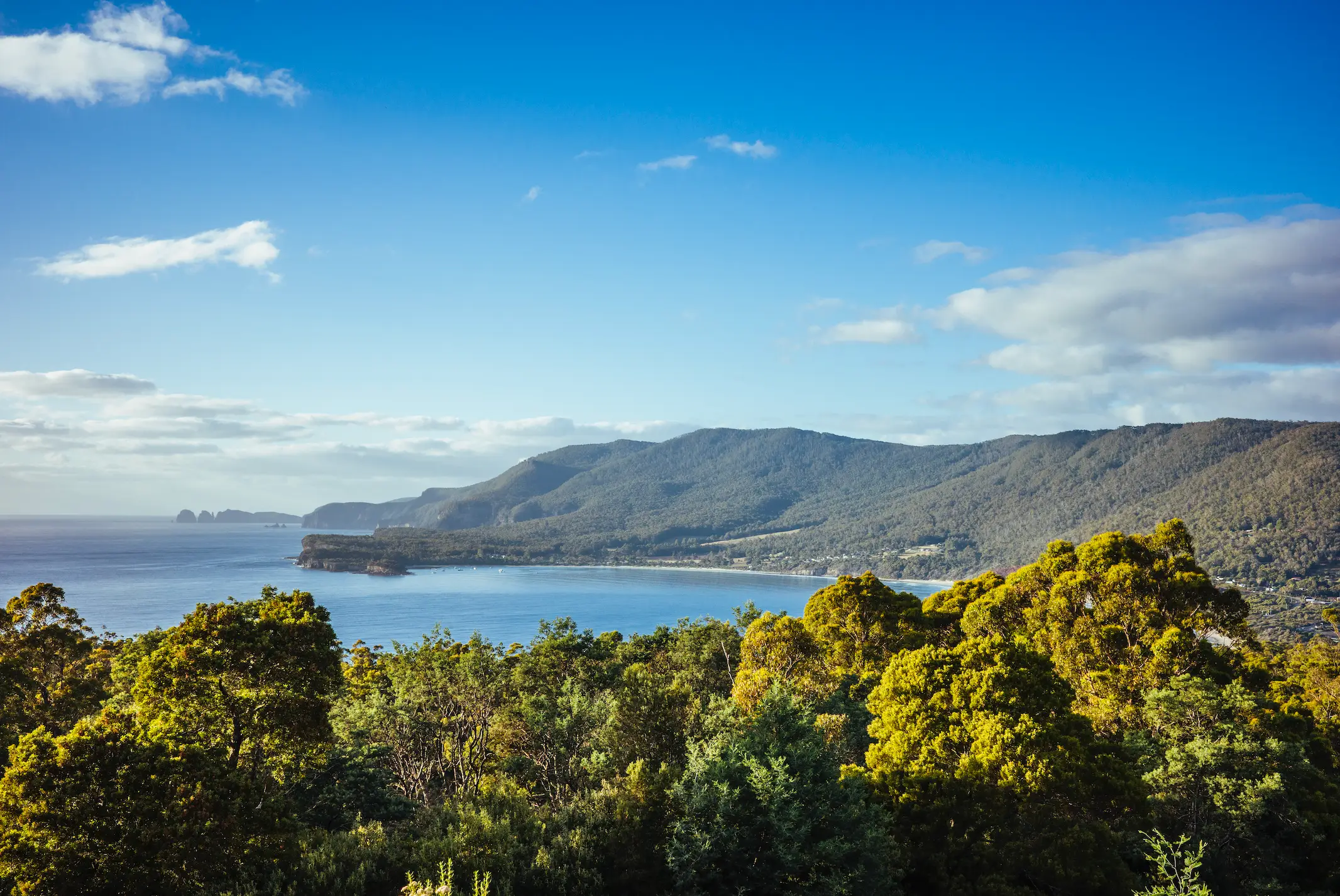
Australia came out on top (Getty stock image)
When it comes to the UK, it’s a bit of mixed bag, scoring well for wealth and democracy as well as being an island, but losing points for being particularly vulnerable to ‘bad space weather’, which can impact power grids, as well as its large population and reliances on an international supply chain.
The experts also recommended that those wanting to survive should avoid urban areas in general, branding them ‘death traps’ as those living in them will need a constant supply of food, water, fuel and medicines, which fans of Last Of Us will know aren’t exactly easy to come by during a global apocalypse.
But before you start planning out your routes to the remotes corners Down Under, the team left their research on one final chilling note, warning that in case of an apocalypse: “There is truly no place to hide.”
Well, at least we’re all in it together, eh?
PROMIXX FORM Sports Water Bottle - Premium BPA Free Water Bottle for Fitness Sports & Outdoors - Sustainable Drinks Bottle with Measurement Markers and Leakproof Lid - 760ml / 26oz (Midnight Blue)
$17.79 (as of October 7, 2026 00:56 GMT +00:00 - More infoProduct prices and availability are accurate as of the date/time indicated and are subject to change. Any price and availability information displayed on [relevant Amazon Site(s), as applicable] at the time of purchase will apply to the purchase of this product.)
1MORE Triple Driver In-Ear Headphones - Silver - Wired - Adult - In Ear - 18 grams - 90 days limited warranty
(as of October 7, 2026 00:56 GMT +00:00 - More infoProduct prices and availability are accurate as of the date/time indicated and are subject to change. Any price and availability information displayed on [relevant Amazon Site(s), as applicable] at the time of purchase will apply to the purchase of this product.)
Rhythm Superfoods Kale Chips, Zesty Nacho, Organic and Non-GMO, 2.0 Oz (Pack of 4), Vegan/Gluten-Free Superfood Snacks
(as of October 7, 2026 00:56 GMT +00:00 - More infoProduct prices and availability are accurate as of the date/time indicated and are subject to change. Any price and availability information displayed on [relevant Amazon Site(s), as applicable] at the time of purchase will apply to the purchase of this product.)
1MORE Triple Driver in-Ear Earphones Hi-Res Headphones with High Resolution, Bass Driven Sound, MEMS Mic, in-Line Remote, High Fidelity for Smartphones/PC/Tablet - Silver
$69.99 (as of October 7, 2026 00:56 GMT +00:00 - More infoProduct prices and availability are accurate as of the date/time indicated and are subject to change. Any price and availability information displayed on [relevant Amazon Site(s), as applicable] at the time of purchase will apply to the purchase of this product.)

















Post Comment