How One Flight Attendant Defied Death and Changed Aviation Forever
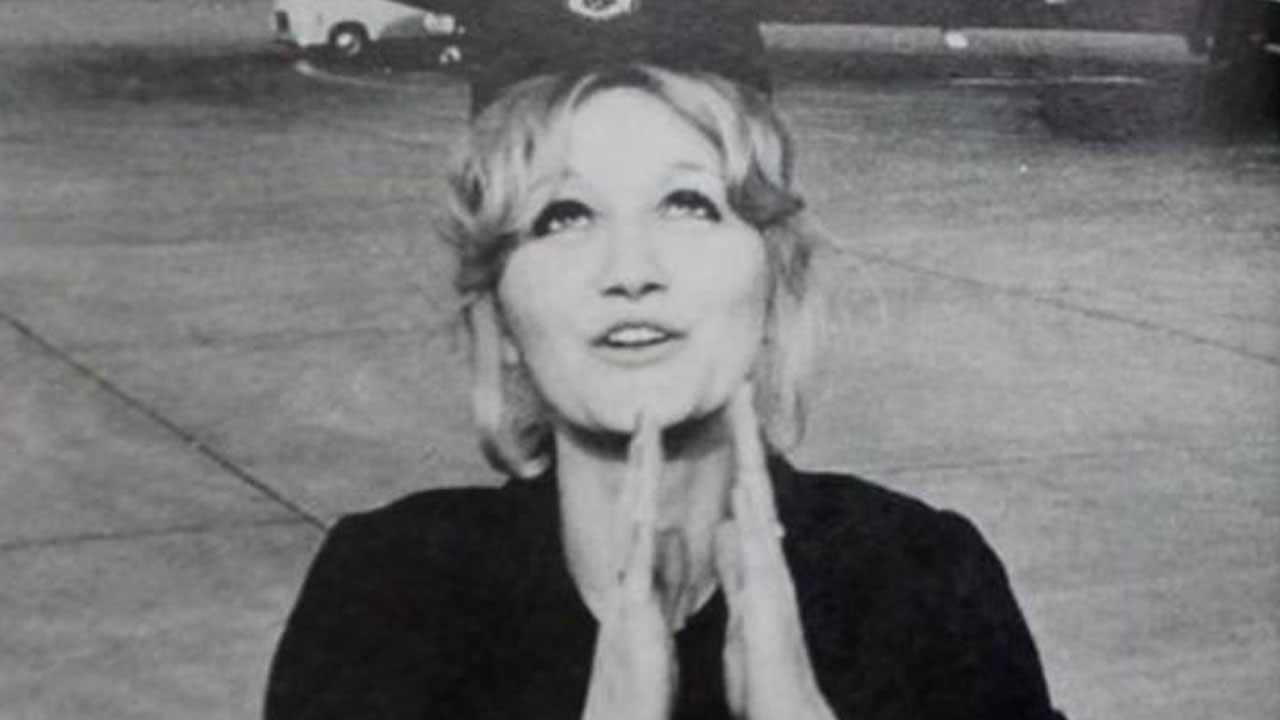
Ever wondered what it takes to survive a 33,000-foot freefall without a parachute? No, this isn’t the setup to a wild joke — it’s the real-life saga of Vesna Vulović, a 22-year-old Serbian flight attendant who defied every rule of physics and sheer probability one icy January night in 1972. Picture this: a brand-new McDonnell Douglas DC-9 cruising peacefully over the snowy mountains of Czechoslovakia when, suddenly, a midair explosion rips the plane apart. Twenty-seven souls lost in an instant, but Vesna? She somehow clung to life, trapped by a heavy food cart in the tail section as she plummeted miles downward. How did she pull off this seemingly impossible feat? And what twists of fate kept her breathing when all odds were stacked against her? Hold tight, because the story of Vesna Vulović isn’t just remarkable — it’s downright astonishing. LEARN MORE
When a plane disintegrates six miles in the air, there is almost no room left for hope. Yet every once in a while, history drops a story in our laps that leaves doctors, scientists, and the rest of us entirely speechless.
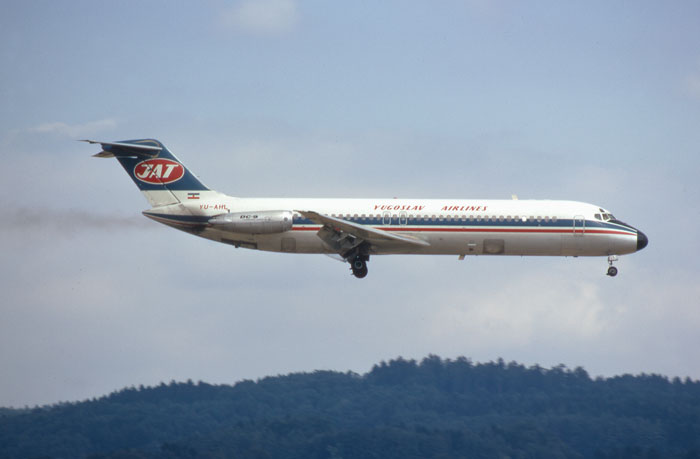
On a bitter, cold evening in January 1972, JAT Flight 367 cruised smoothly over the snowy mountains of Czechoslovakia on its way from Stockholm to Belgrade. In a split second, a midair explosion tore the airliner apart.
Of the 28 people on board, 27 lost their lives almost instantly. But as the smoking wreckage rained down onto the frozen slopes below, one person was still breathing. A 22-year-old Serbian flight attendant named Vesna Vulović had just survived a 33,000-foot freefall — completely without a parachute.
This is the unbelievable story of how she beat the ultimate odds and the strange twists of fate that kept her alive.
Vesna Vulović was the only survivor after a plane crashed over Czechoslovakia
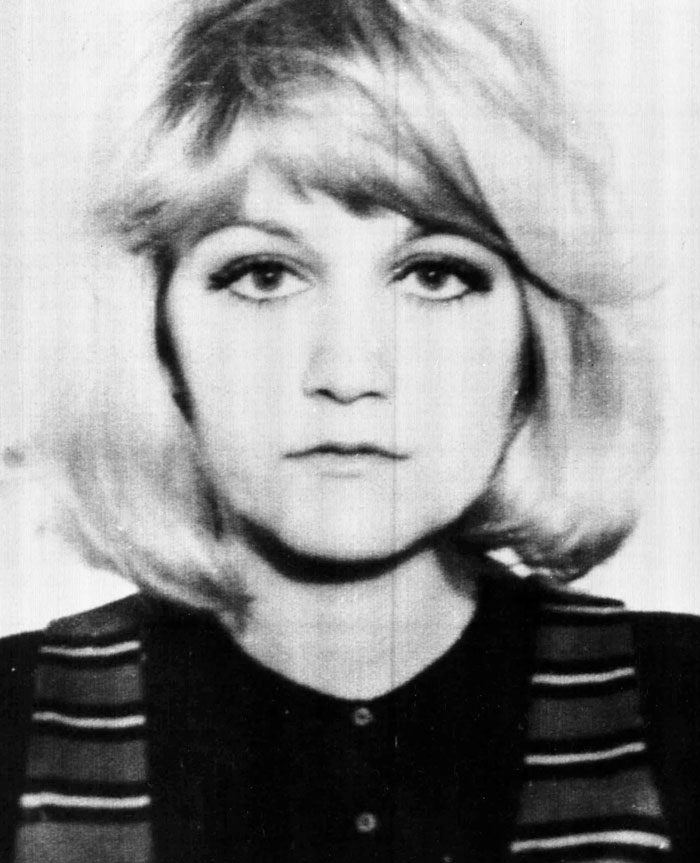
The flight from Stockholm to Belgrade ended in disaster just forty-six minutes after takoff
On January 26, 1972, JAT Flight 367 was making its scheduled journey from Stockholm, Sweden, to Belgrade, Serbia, with an intermediate stop in Copenhagen, Denmark. The aircraft was a brand-new McDonnell Douglas DC-9-32, one of the most reliable commercial jetliners of its time.
However, just 46 minutes after takeoff from Copenhagen, while the plane cruised peacefully at 33,000 feet, a massive mid-air explosion occurred. It instantly tore the DC-9 into pieces high above the frozen terrain of Srbská Kamenice, Czechoslovakia (now the Czech Republic), and sent debris and metal wreckage raining down onto the mountains below.
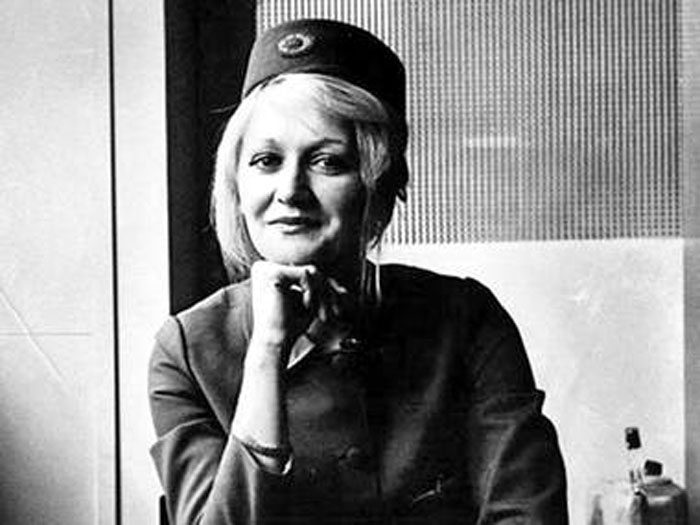
Flight attendant Vesna Vulović boarded the flight only because of a name mix-up
At 22, Vesna Vulović joined Yugoslav Airlines for one simple reason: she wanted to see the world. Her friend’s crisp cabin uniform made the job look glamorous, and Vesna was instantly hooked. However, severe low blood pressure threatened to fail her health screening, so she drank several cups of espresso to temporarily spike her vitals. The trick worked, and she officially earned her wings.
Eight months later, a paperwork mistake sealed her destiny. Scheduling assigned her to JAT Flight 367 after confusing her with a coworker who shared her first name. Thrilled at the chance to visit Copenhagen for the first time, Vesna stepped aboard during the plane’s Scandinavian stopover, celebrating what she thought was a lucky break.
“A little mistake, however, meant that I had my first trip to Denmark. I was very happy,” she told Green Light magazine in 2002.
However, Vesna’s short stay in Denmark felt strangely bleak. The rest of the crew acted deeply subdued, leading her to believe years later that they may have intuitively felt disaster looming.
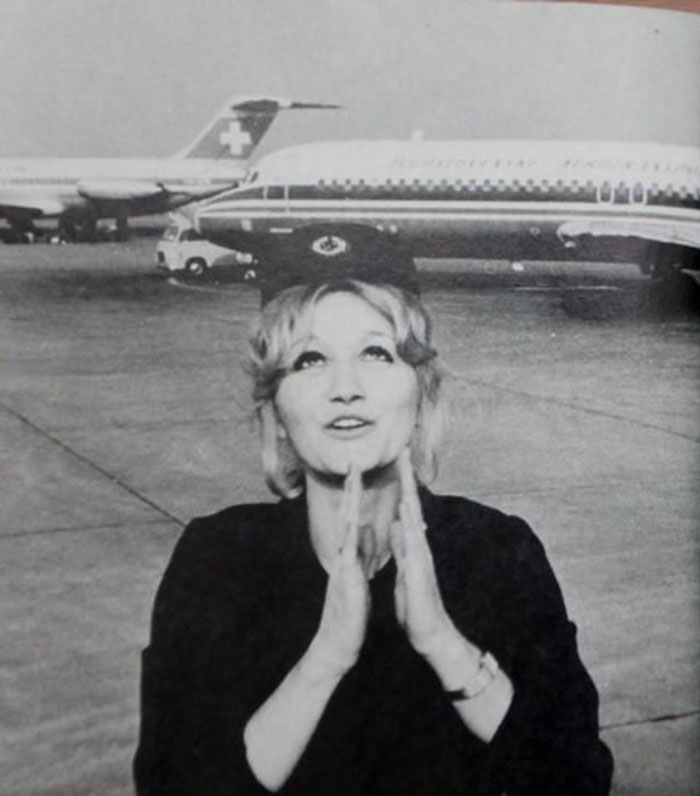
A miraculous mix of luck, timing, and pure chance kept her breathing
When the plane exploded six miles up, the fuselage fractured into multiple pieces. While other passengers were sucked into the freezing, thin air, a heavy food cart trapped Vesna in the tail section. That wedged cart protected her from the violent windstream and atmospheric collapse.
Physics and luck then lined up in a way scientists still marvel at today. The tail section struck a snow-draped mountain at a steep angle, absorbing most of the catastrophic impact. Experts also believe that her chronic low blood pressure might have caused her to faint instantly when the cabin depressurized and prevented her heart from bursting upon hitting the ground.
She was rescued by a local villager and former wartime medic
A former World War II medic named Bruno Honke was the first person to reach the smoking wreckage in the woods. Hearing screams in the dark forest, he found Vesna covered in blood. Honke’s quick medical aid kept her breathing until emergency rescue teams could haul her out of the frozen forest.
She awoke in a Prague hospital after spending several days in a coma and suffering from a fractured skull, two crushed vertebrae and a broken pelvis, ribs and legs. However, she had no memory of the accident or her rescue, and simply asked for a cigarette when she woke up.

White Leaf Baby Food Pouches, Toddler Snack, Mango + Carrot + Banana + Pear | 24 Pack, Organic No Added Sugar, Non-GMO, BPA-Free Regeneratively Farmed, Squeeze Puree Smoothie Pouch for Adults & Children
$69.95 (as of October 16, 2026 01:00 GMT +00:00 - More infoProduct prices and availability are accurate as of the date/time indicated and are subject to change. Any price and availability information displayed on [relevant Amazon Site(s), as applicable] at the time of purchase will apply to the purchase of this product.)
KiddyCare Diaper Caddy Organizer Cart for Nursery Baby Basket Gift for Boy/Girl | Diaper Caddy for Changing Table Basket Organizer with Dividers | Caddy for Baby Stuff Breast Pump Caddy - Regular
$9.99 (as of October 16, 2026 01:00 GMT +00:00 - More infoProduct prices and availability are accurate as of the date/time indicated and are subject to change. Any price and availability information displayed on [relevant Amazon Site(s), as applicable] at the time of purchase will apply to the purchase of this product.)
1MORE Triple Driver In-Ear Headphones - Silver - Wired - Adult - In Ear - 18 grams - 90 days limited warranty
(as of October 16, 2026 01:00 GMT +00:00 - More infoProduct prices and availability are accurate as of the date/time indicated and are subject to change. Any price and availability information displayed on [relevant Amazon Site(s), as applicable] at the time of purchase will apply to the purchase of this product.)
RIVER OF GOODS Stained Glass Magna Carta LED Ceiling Fan - 52" L x 52" W - Tiffany Style - Flush Mount Ceiling Fan with Remote - Teal
(as of October 16, 2026 01:00 GMT +00:00 - More infoProduct prices and availability are accurate as of the date/time indicated and are subject to change. Any price and availability information displayed on [relevant Amazon Site(s), as applicable] at the time of purchase will apply to the purchase of this product.)

















Post Comment