Inside the Jury Room: Shocking Revelations That Sparked the Lindsay Clancy Mistrial
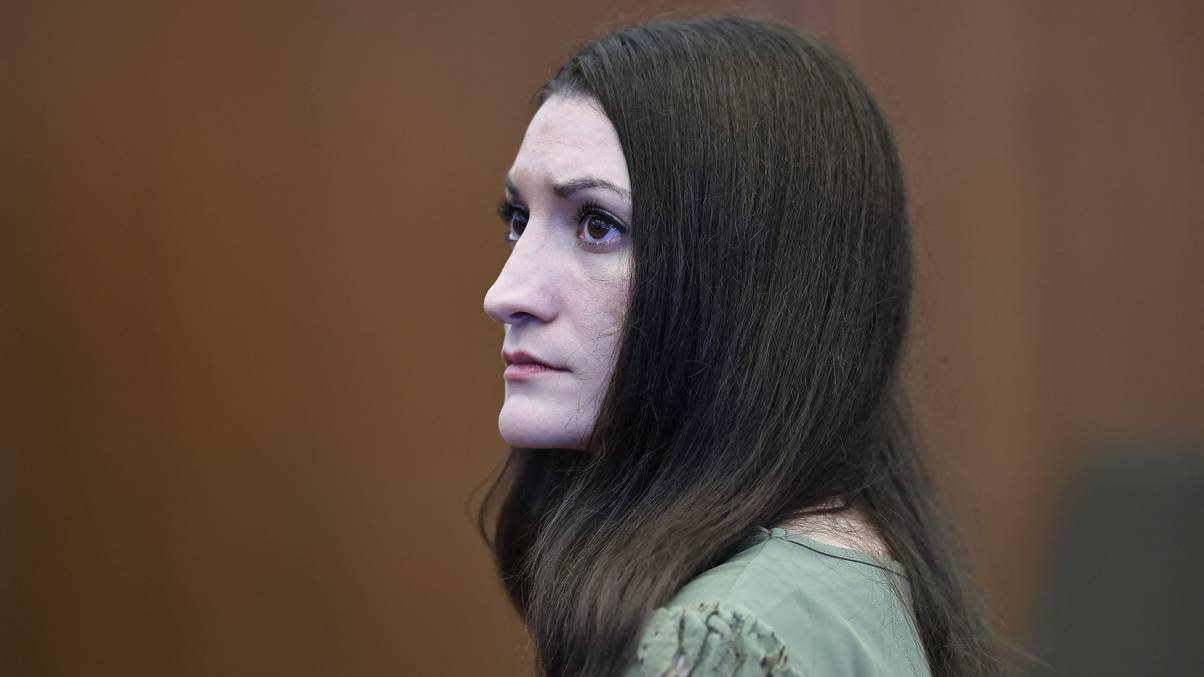
So, picture this: twelve strangers locked in a room for over 40 hours, juggling the weight of a heart-wrenching trial while trying to agree on the fate of Lindsay Clancy — a decision no one wanted to mess up. Yet, despite their marathon efforts through testimony from 80 witnesses and a mountain of 300 exhibits, the jury hit a brick wall. What happens when one juror throws a wrench in the works, claiming ‘reasonable doubt’ but stubbornly refusing to toe the line on a not guilty by reason of insanity verdict? Chaos, tempers flaring, and ultimately—a mistrial declared. It’s a gripping reminder that even in the judicial system’s high-stakes drama, a single dissenting voice can tip the scales. Curious how the jurors themselves felt about this courtroom cliffhanger? Dive into the juicy details straight from the deliberation room.
Three of the jurors from the Lindsay Clancy trial have spoken out for the first time about the deliberations that ended in a mistrial.
The jury of nine women and three men sat through often harrowing testimony from 80 witnesses and were shown 300 exhibits across Clancy’s five week long trial.
During the days of deliberations, the jury told the judge on two occasions that they couldn’t agree on a verdict, leading him to issue a ‘Tuey-Rodriguez’ charge – or dynamite charge.
The following day, the jury allegedly told the judge that there was one juror who was not in agreement, prompting Clancy’s defence lawyer Kevin Reddington to erupt in the court room and demand the juror in question be removed for ‘refusing to listen to the law’.
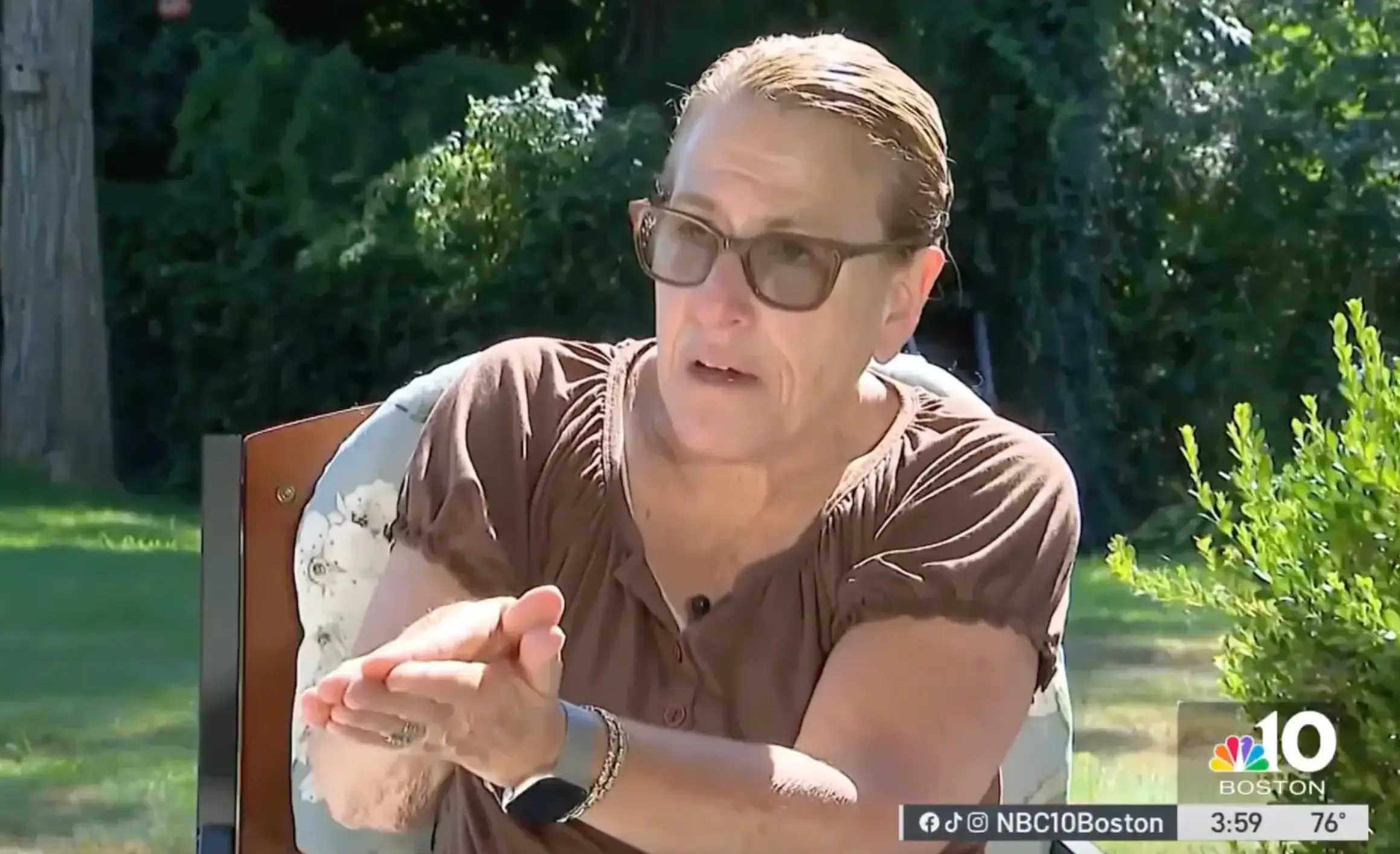
Three members of the jury in the Lindsay Clancy trial have spoken out (NBC 10 Boston)
He said: “There’s one juror who refuses to listen to the law that you’ve given him or her on reasonable doubt.
“And I suggest respectfully that the soft instruction that you gave them at the sidebar saying ‘can you listen to the law as I instruct you’ does not focus on the issue.
“The question was not sufficient enough. If we come back here in a half an hour with a mistrial because of a juror that has just spurned the instructions of the court it’s a shame.
“It’s a real shame.”
The juror wasn’t removed and once again, Judge Sullivan ordered them to continue deliberations but after more than 40 hours, the 12 jurors said they were still deadlocked and the judge was forced to declare a mistrial.
Now, three of the jurors have spoken out about the case and revealed they were close to finding Clancy, who was accused of murdering her three children, not guilty by reason of insanity.
But they say there was one holdout juror who refused to agree with the verdict, despite saying he had ‘reasonable doubt’.
The foreman of the jury, who cannot be named for legal reasons, told NBC 10 Boston: “He admitted he had reasonable doubt and I started filling out the forms.
“I was so excited. There were three forms I had to fill out and I started filling them out. I wrote my signature on each one and then he said, ‘But I’m still not going say that she’s not guilty by reason of insanity.’”

One juror branded the ‘holdout’ as ‘arrogant’ (NBC 10 Boston)
The jury in the case had a number of options available to them: not guilty, not guilty by reason of insanity, first-degree murder, second-degree murder or manslaughter.
But under Massachusetts law they had come to a unanimous decision, which is why the holdout juror was such a major element of the trial.
One of the jurors branded the ‘holdout’ as ‘arrogant’ and said he refused to talk to other jury members.
“We read to him on numerous occasions the definition of reasonable doubt from Judge Sullivan’s instruction,” she said.
“He actually said one day in the end, ‘Why don’t we have the judge come in and read it again?’ And we were like, ‘No. We have it in front of us. We don’t need that.’ And we would highlight it and, you know, so and so, this is the definition of reasonable doubt. But he had the hardest time getting off the fact that Lindsay viciously killed her children.”
She added: “He really did not take anything that anybody said.”
“The nurses, he tried to ask a question about the medications and we went back to the report from South Shore Hospital, we had the toxicology report, we could see exactly the amounts.
“The nurses in the room spoke to that.”
Explaining why they felt the way they did about the verdict, another of the jurors said that the ‘prosecution didn’t show enough compassion’.
“I just found it to be harsh — very, very harsh,” she said.
“The fact that they had no character witnesses in regards to Lindsay being a bad mother … I found it to be biased.”
What happens now?
With the case declared a mistrial, it means the case essentially goes back to the same status it was at before the trial began, meaning Clancy is charged with three-counts of murder and held at a psychiatric facility.
Prosecutors now have a couple of options open to them.
The most likely option in this case is that prosecutors will bring a new trial with a different jury.
They could also offer a plea deal to Clancy.
Secondly, and less likely here, prosecutors could choose not to retry the case.
This option is typically chosen if the cost to retry is high and the risk of the same outcome is also high.
Clancy’s defence team would most likely lobby against a retrial.
RIVER OF GOODS Mid-Century Modern Transitional LED Bronze Chrome Ceiling Fan - 52" L x 52" W - Rich Barnwood/Light Driftwood Fan Blades - Metallic Ceiling Fan with Light and Fabric Shade
(as of October 24, 2026 01:02 GMT +00:00 - More infoProduct prices and availability are accurate as of the date/time indicated and are subject to change. Any price and availability information displayed on [relevant Amazon Site(s), as applicable] at the time of purchase will apply to the purchase of this product.)
Rhythm Superfoods Kale Chips, Zesty Nacho, Organic and Non-GMO, 2.0 Oz (Pack of 4), Vegan/Gluten-Free Superfood Snacks
(as of October 24, 2026 01:02 GMT +00:00 - More infoProduct prices and availability are accurate as of the date/time indicated and are subject to change. Any price and availability information displayed on [relevant Amazon Site(s), as applicable] at the time of purchase will apply to the purchase of this product.)
1MORE Triple Driver in-Ear Earphones Hi-Res Headphones with High Resolution, Bass Driven Sound, MEMS Mic, in-Line Remote, High Fidelity for Smartphones/PC/Tablet - Silver
$69.99 (as of October 24, 2026 01:02 GMT +00:00 - More infoProduct prices and availability are accurate as of the date/time indicated and are subject to change. Any price and availability information displayed on [relevant Amazon Site(s), as applicable] at the time of purchase will apply to the purchase of this product.)
Supa Ant 6x8ft. Welding Blanket Fireproof (Pack of 2) - Heavy Duty Weld Fire Blanket Tools - Welders Cover for Men Curtain with Gloves - Large Welding Gear for Welder Accessories
(as of October 24, 2026 01:02 GMT +00:00 - More infoProduct prices and availability are accurate as of the date/time indicated and are subject to change. Any price and availability information displayed on [relevant Amazon Site(s), as applicable] at the time of purchase will apply to the purchase of this product.)