Inside the Mind of a Death Row Executioner Haunted by a Botched Execution and Lifelong PTSD

Ever wonder what it’s like to be the person who flips the switch on the electric chair — and then ends up haunted for decades? Ron McAndrew, once an executioner at Florida State Prison, thought Pedro Medina’s death would be just another routine flick of a switch back in ’97. But instead, he witnessed something far from routine: a 15-minute ordeal where Medina didn’t just drop dead quietly — he literally burned to death under the infamous Ol’ Sparky. Medina’s final words, “I’m still innocent,” echoed through what became a grisly scene that left McAndrew grappling with PTSD and a profound moral reckoning. How do you move on after seeing something that sears into your memory like that? Decades on, McAndrew now speaks out against the death penalty, wrestling with the dark shadows of a job that changed his life forever. LEARN MORE
A former death row executioner says he was left with PTSD after witnessing the botched execution of Pedro Medina in which the prisoner took 15 minutes to die.
In 1997, Ron McAndrew, 88, had already overseen the execution of two men via electric chair and had been expecting Medina’s to be another routine execution.
Medina, a Cuban refugee, was on death row at Florida State Prison for the 1982 killing of 52-year-old elementary school gym teacher Dorothy James in Orlando.
Medina testified at his own trial and denied the murder, but was convicted first-degree murder and auto theft, with the jury recommending the death penalty.
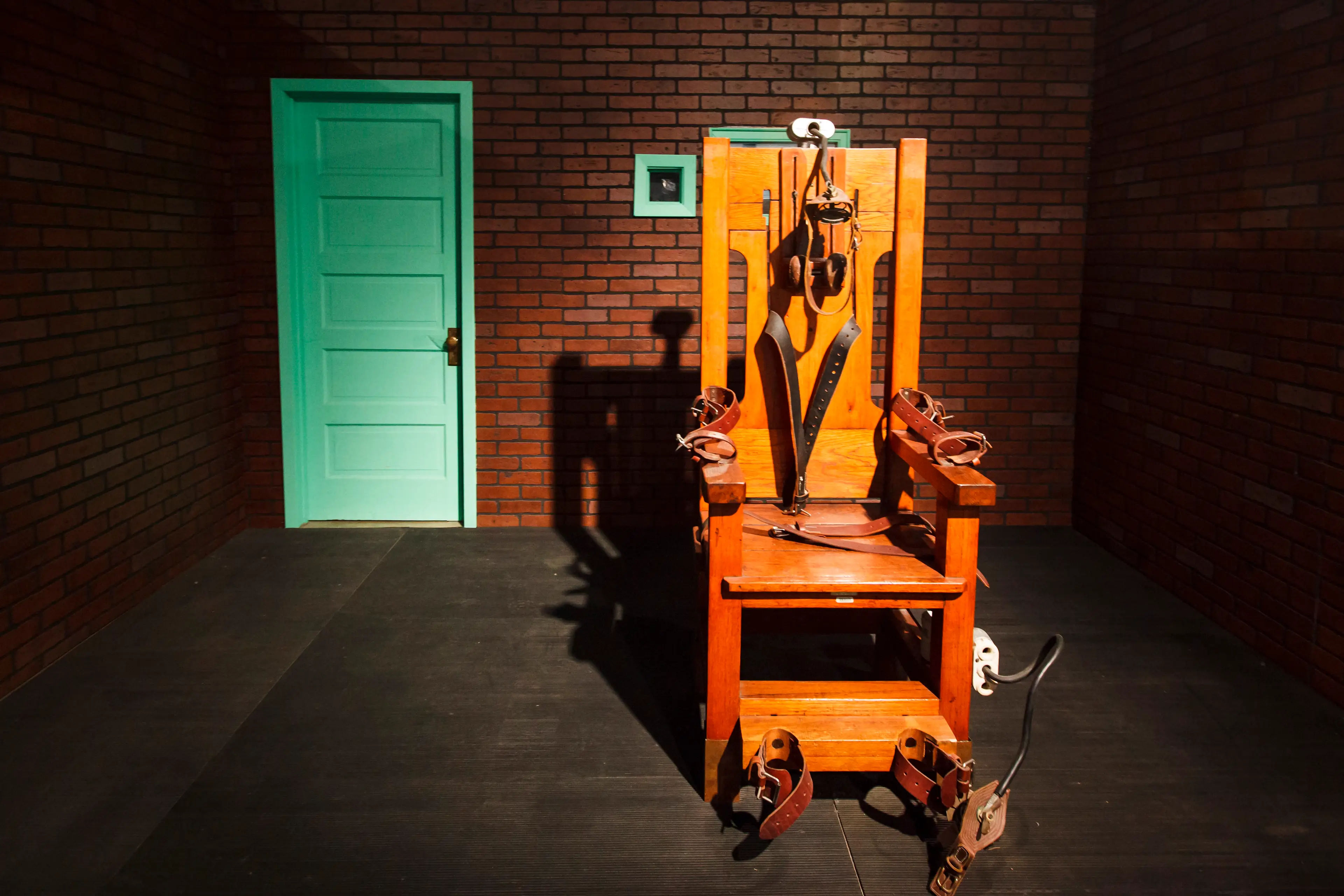
At his execution, Media was strapped into the electric chair, nicknamed Ol’ Sparky, and his final words were “I’m still innocent.”
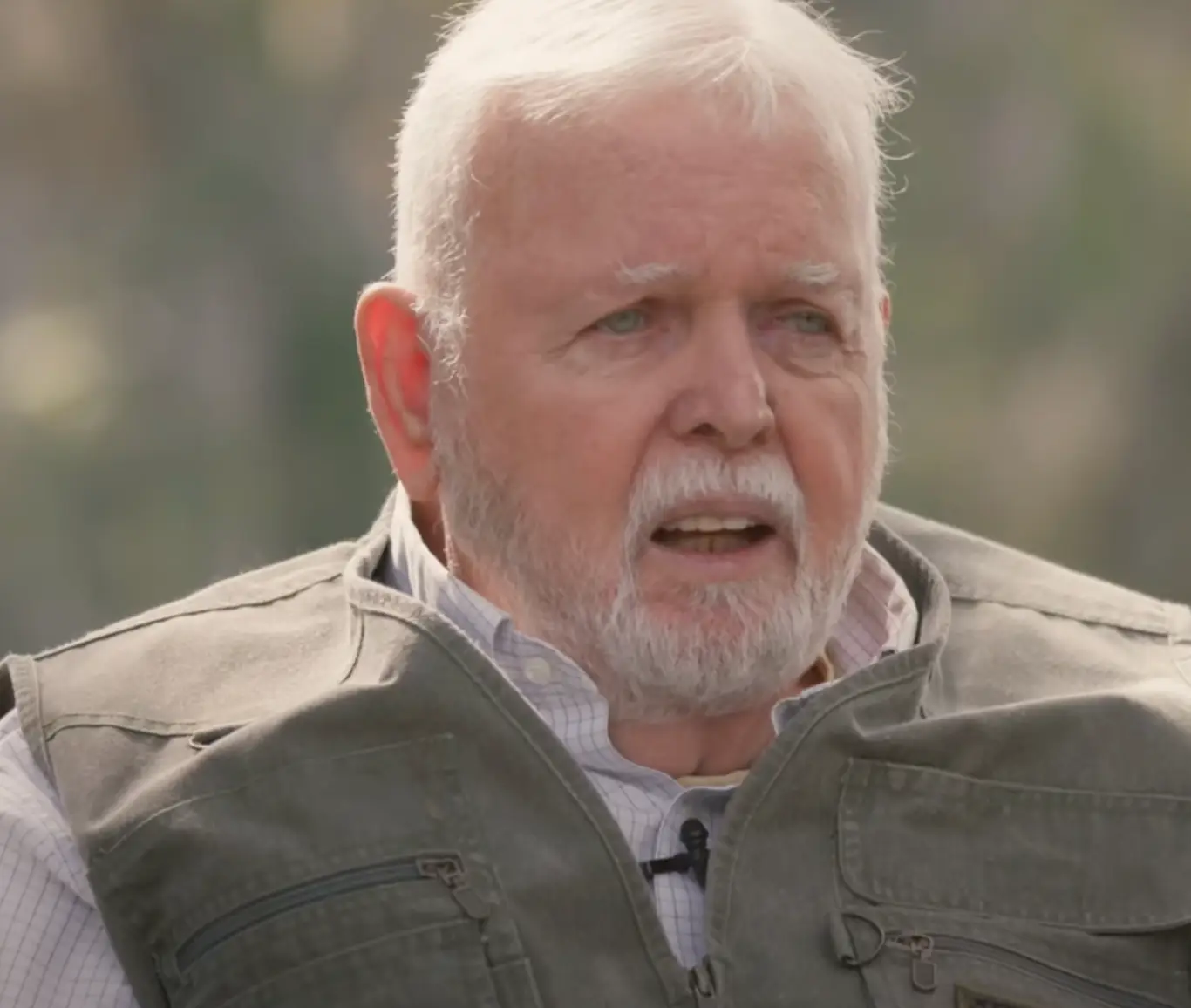
Ron McAndrew said he still has flashbacks about the botched execution (YouTube/Death Penalty Action)
McAndrew was one of several prison employees tasked with the execution.
In an interview with The Mirror, he said that his job was securing Medina’s right ankle with a leather strap.
However, he said he had some concerns that the man who was responsible for placing a damp sponge, which is there to ‘help conduct the electricity’ onto Medina’s had wrung it out too much.
After being reassured that everything was OK, McAndrew said he gave a signal to the executioner to start the procedure.
However, things soon took a drastic turn and McAndrew watched on in horror as the 39-year-old convicted killer ‘burned to death’.
He told The Mirror: “I gave him the signal to commence the electricity. But the instant the electric hit Pedro’s head, there was a spark and a loud pop.
“Even in one’s home, if you flick an electric switch and you get a pop, you know darn well something has gone wrong.
“Suddenly, a plume of black smoke came out from under the helmet, followed by a flame. It came right up in front of my face, and there was a very serious tightening of the body.
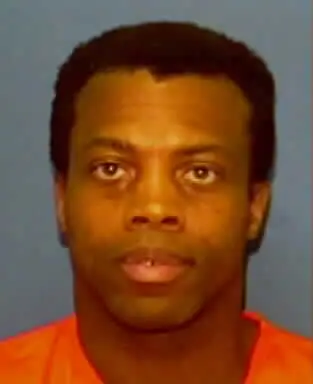
Pedro Medina was executed in 1997 for the 1982 killing of Dorothy James (Florida Department of Corrections)
“You could see the hands squeezing the ends of the arms on the chair with the force of a mighty man. And the rest of the body heaving. These were motions I had not seen in the first two, there was a great deal more resistance.
“I suddenly realised we are not electrocuting this man, we were burning him to death — because it continued to burn on the top of his head.”
McAndrew said the room filled up with smoke and estimates that Medina took around 15 minutes to die.
Following the execution, the Florida Supreme Court found that ‘Medina’s brain was instantly and massively depolarised within milliseconds of the initial surge of electricity. He suffered no conscious pain’.
Medical examiner Dr Belle Almojera said at the time: “He died a very quick, humane death. I did notice smoke coming from the hood. At no time while there was smoke did I observe any pain or suffering on the part of the inmate.”
The year after Medina’s execution, McAndrew left his role as warden, at that point he’d carried out a further eight executions, this time by lethal injection.
McAndrew now campaigns against the death penalty (Michael Paulsen/Houston Chronicle via Getty Images)
Speaking to Death Penalty Info he explained that he made the decision to leave the job after becoming ‘uncomfortable’ with the morality of the situation.
“I was beginning to question why we were killing people that we already had in captivity,” he said.
“I was feeling uncomfortable about taking the lives of people that were captured and, and were no longer a threat to anyone.”
After quitting the job, McAndrew became an active campaigner against the death penalty.
“Medina’s execution was something that sent me to a dark place and forced me to take a really strong look at myself and what we were doing in terms of killing our fellow men,” he told The Mirror.
Decades later, McAndrew says he still has flashbacks to the execution and says that he attended therapy for 13 years.
Now in his 80s, McAndrew still speaks out against capital punishment and says it’s ‘the wrong thing to do’.
“Killing people is no way to show our children that killing is wrong,” he added.

RIVER OF GOODS Alabaster LED Mesh Caged Ceiling Fan - 52" L X 52" W - White/Oak Wood-Grain Blades
(as of October 24, 2026 01:02 GMT +00:00 - More infoProduct prices and availability are accurate as of the date/time indicated and are subject to change. Any price and availability information displayed on [relevant Amazon Site(s), as applicable] at the time of purchase will apply to the purchase of this product.)
RIVER OF GOODS LED Boho Ceiling Fan with Hand Woven Brown/Natural Rope - Macrame Knot Work and Hemp Rope Style Eclectic Cottage Decor - 52" L x 52" W - Rich Barnwood/Light Driftwood Fan Blades
(as of October 24, 2026 01:02 GMT +00:00 - More infoProduct prices and availability are accurate as of the date/time indicated and are subject to change. Any price and availability information displayed on [relevant Amazon Site(s), as applicable] at the time of purchase will apply to the purchase of this product.)
Rhythm Superfoods Kale Chips, Zesty Nacho, Organic and Non-GMO, 2.0 Oz (Pack of 4), Vegan/Gluten-Free Superfood Snacks
(as of October 24, 2026 01:02 GMT +00:00 - More infoProduct prices and availability are accurate as of the date/time indicated and are subject to change. Any price and availability information displayed on [relevant Amazon Site(s), as applicable] at the time of purchase will apply to the purchase of this product.)
1MORE Triple Driver In-Ear Headphones - Silver - Wired - Adult - In Ear - 18 grams - 90 days limited warranty
(as of October 24, 2026 01:02 GMT +00:00 - More infoProduct prices and availability are accurate as of the date/time indicated and are subject to change. Any price and availability information displayed on [relevant Amazon Site(s), as applicable] at the time of purchase will apply to the purchase of this product.)