Unlock These 62 Uplifting Stories That Will Instantly Brighten Your Day—You Won’t Believe #17!

Ever wonder if a tree could moonlight as a lakeside star? Well, Lake Wānaka in New Zealand serves up exactly that with its iconic Wānaka Tree—a cheeky willow that didn’t just grow by the lake, it became the lake’s celeb. Planted ages ago as part of a humble fence, it’s now one of the most snapped nature icons, making you question if trees secretly crave to be photobombers of majestic landscapes. Beyond the quirky charm of the Wānaka Tree, Lake Wānaka itself stretches a whopping 45 kilometers through the Southern Alps, plunging depths that can make even the bravest diver swallow hard. This glacier-sculpted beauty isn’t just a feast for the eyes; it’s a testament to nature’s grandeur and unexpected humor. Ready to immerse yourself in tales where nature and oddity intertwine? LEARN MORE.
 Lake Wānaka is one of New Zealand’s major glacial lakes, stretching about 45 kilometres through the South Island’s Southern Alps. At up to 311 metres deep, it’s the country’s fourth-largest lake.
One of its most recognizable landmarks is the Wānaka Tree, a willow growing in the lake that began life as part of a fence decades ago before becoming a famous photography spot.
 More than 2,000 years ago, the Maya at Tikal were using zeolite and crystalline quartz to purify water. Archaeologists found evidence that the system was operating as early as about 2185 years ago and remained in use for more than 1,000 years.
The zeolite acted like a natural molecular sieve, helping remove harmful microbes and other contaminants from the water. The materials were even transported roughly 30 km to Tikal, showing that this was a deliberate engineering solution, not an accident of nature.
Writing soon became more than just a way to keep accounts. By the middle of the third millennium BCE, scribes used cuneiform to record literature, learning, religion, and government. People were already creating a record of their world, leaving details that still help us understand their lives today.
 The inaugural “Tiramisù Run” will take place on October 11, 2026, in Treviso, Italy—the official birthplace of the dessert. The non-competitive 10.1-kilometer event winds through the historic center before rewarding finishers with unlimited tiramisu. It coincides with the Tiramisù World Cup weekend, and participant capacity is strictly capped at 1,000 runners.
 In traditional Korean folk art known as minhwa, particularly during the Joseon Dynasty, tigers were often portrayed in humorous and exaggerated ways rather than as fearsome predators. Artists painted them smoking long pipes, wearing hats, or sitting with awkward, almost human postures. Their cross-eyed, confused, or grumpy expressions were intentionally comedic, turning the powerful tiger into a figure of satire. In many paintings, the tiger symbolized arrogant officials, scholars, or members of the upper class, while nearby magpies represented ordinary people observing and quietly mocking those in authority.
The inclusion of smoking pipes added another layer of social commentary. After tobacco became widespread in Korea during the 1600s, pipe smoking became associated with status, education, and leisure among men. By depicting a tiger leisurely smoking like an elderly nobleman, artists transformed a respected mountain predator into a pompous and somewhat ridiculous bureaucrat. These playful exaggerations reflected the spirit of minhwa, which emphasized symbolism, humor, and emotional expression over realism. As a result, many of these centuries-old tiger paintings still feel surprisingly modern and cartoon-like today.
In the beginning, people used these tablets mostly for practical reasons like counting goods and managing supplies. Over time, scribes found new ways to express language, so they could write down sentences, names, and ideas. What began as a simple way to track daily business slowly turned into a powerful way to save human knowledge.
 This isn’t a train station. It’s a storage yard in Lianyungang, Jiangsu, where rows of China’s high-speed trains are parked before heading out to serve passengers. The photo was taken in the early morning on June 30, 2026.
The scale is a glimpse of just how massive China’s high-speed rail system has become. When China adjusted its railway schedule on July 1, it added 106 passenger train services, bringing the nationwide schedule to 12,174 passenger trains.

RIVER OF GOODS LED Boho Ceiling Fan with Hand Woven Brown/Natural Rope - Macrame Knot Work and Hemp Rope Style Eclectic Cottage Decor - 52" L x 52" W - Rich Barnwood/Light Driftwood Fan Blades
(as of November 3, 2026 01:06 GMT +00:00 - More infoProduct prices and availability are accurate as of the date/time indicated and are subject to change. Any price and availability information displayed on [relevant Amazon Site(s), as applicable] at the time of purchase will apply to the purchase of this product.)
RIVER OF GOODS Coastal 52 Inch Wooden Bead LED Ceiling Fan, Cream
(as of November 3, 2026 01:06 GMT +00:00 - More infoProduct prices and availability are accurate as of the date/time indicated and are subject to change. Any price and availability information displayed on [relevant Amazon Site(s), as applicable] at the time of purchase will apply to the purchase of this product.)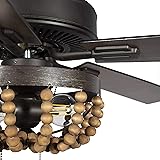
RIVER OF GOODS Coastal 52 Inch Wooden Bead LED Ceiling Fan, Brown
(as of November 3, 2026 01:06 GMT +00:00 - More infoProduct prices and availability are accurate as of the date/time indicated and are subject to change. Any price and availability information displayed on [relevant Amazon Site(s), as applicable] at the time of purchase will apply to the purchase of this product.)
White Leaf Baby Food Pouches, Toddler Snack, Mango + Carrot + Banana + Pear | 24 Pack, Organic No Added Sugar, Non-GMO, BPA-Free Regeneratively Farmed, Squeeze Puree Smoothie Pouch for Adults & Children
$69.95 (as of November 3, 2026 01:06 GMT +00:00 - More infoProduct prices and availability are accurate as of the date/time indicated and are subject to change. Any price and availability information displayed on [relevant Amazon Site(s), as applicable] at the time of purchase will apply to the purchase of this product.)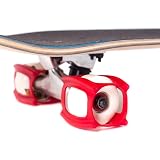
Skater Trainer Wheels - Beginners get Skateboard Tricks Fast, Safe and Fun | Viral accessory gift - Helps beginners stay excited about their new skateboard - Kids & parents love these
$28.99 (as of November 3, 2026 01:06 GMT +00:00 - More infoProduct prices and availability are accurate as of the date/time indicated and are subject to change. Any price and availability information displayed on [relevant Amazon Site(s), as applicable] at the time of purchase will apply to the purchase of this product.)Related Posts


















Post Comment