Decades-Old Execution Mystery Unveiled: Last Woman Hanged in UK Posthumously Pardoned, Family Breaks Silence

Imagine being the last woman in the United Kingdom to face the hangman’s noose — and only getting a posthumous pardon decades later that admits, “Yeah, maybe things weren’t quite as clear-cut as we thought.” That’s the haunting story of Ruth Ellis, a nightclub hostess from quaint Rhyl who, back in 1955, shot her lover outside a London pub. Fast-forward 71 years, and her family finally gets a nod that justice was, well, “done” — if by done you mean swapped a death sentence for life imprisonment after fresh evidence of domestic abuse came to light. But here’s a twist: this pardon doesn’t magically heal the wounds, nor does it undo the heartbreak etched into generations of her family. So, could Ruth’s story be a mirror reflecting how our justice system wrestles with the messy realities it once brushed aside? Buckle up — this tale’s far from black and white.
The family of Ruth Ellis, the last woman to be hanged in the United Kingdom, have said that while ‘justice was done’ as she was granted a posthumous conditional pardon, it does not ‘restore the lives that were broken’.
Ellis was a nightclub hostess from Rhyl in Denbighshire, who shot and killed her lover David Blakely outside The Magdala pub in Hampstead, London, in April 1955. She was later convicted of his murder and executed on 13 July the same year at Holloway Prison.
The pardon, granted by the King following advice from Deputy Prime Minister David Lammy, replaces the death penalty with a sentence of life imprisonment.
According to the Government, the decision includes evidence of domestic abuse, coercive and controlling behaviour which they say ‘may have been understood differently today’.
Making a statement outside the Houses of Parliament on Wednesday, Ellis’ granddaughter Laura Enston said: “Today, justice has finally been done for our grandmother, Ruth Ellis – the last woman to be hanged in England in 1955.

Laura Enston, the granddaughter of Ruth Ellis, makes a statement outside Portcullis House at the Houses of Parliament, Westminster (PA)
“This pardon does not undo what happened 71 years ago. It does not restore the lives that were broken – the children left behind, the years lost.
“But it says, formally and finally, that Ruth should not have been executed; that the justice system failed her. That acknowledgement matters profoundly to our family.
“Ruth was a victim of sustained and brutal abuse. Her children – our mother and uncle – never recovered. My uncle took his own life; my mother’s trauma left her unable to be the parent we needed.
We cannot change what happened 70 years ago.
But today, Ruth Ellis’s story has finally been heard.
Read more about her conditional pardon here: https://t.co/m2kRjO1Zuo pic.twitter.com/g3yZ9mUpN2
— Ministry of Justice (@MoJGovUK) July 8, 2026
“The shadow of Ruth’s execution has fallen across two generations. We have carried shame that was never ours to bear.
“We are deeply grateful to the Justice Secretary for having the courage to act.
“We hope Ruth’s story serves as a lasting reminder that the justice system must reckon with the abuse that drives women to the edge – and must never be afraid to acknowledge when it has got things wrong.”
The application for the pardon was brought by four of Ellis’ grandchildren.
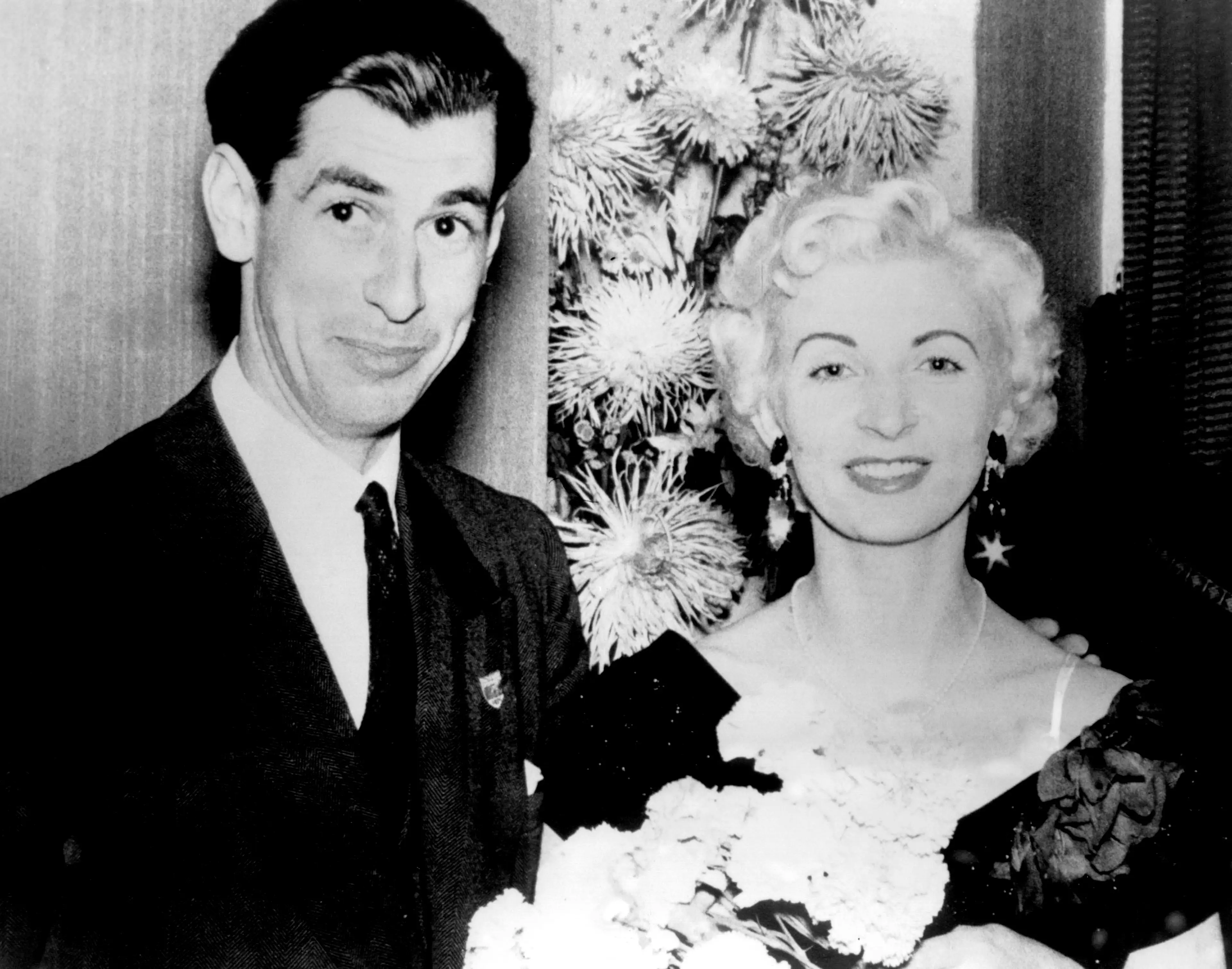
Racing driver David Blakely with Ruth Ellis, who was executed in 1955 after being convicted of his murder (PA)
According to a report on the Criminal Cases Review Commission, during a fight two weeks prior to the shooting Blakely had punched Ellis in the stomach while she was pregnant, leading to a miscarriage.
Lammy, who is also the Justice Secretary, said: “For 70 years, the family of Ruth Ellis have fought for her story to be heard.
“We cannot change what happened 70 years ago. But we can recognise that this was an exceptional case.”
He said the conditional pardon was an ‘act of mercy’, adding: “We hope it brings some measure of peace to Ruth’s family.”
Grace Houghton, an associate at Mishcon de Reya, who was part of the legal team that put together the application for the pardon said Ellis was “the victim of domestic abuse”.
She said: “Our argument is that she would now be recognised as having battered woman syndrome, which would have caused a jury nowadays, or even just a couple of years (after her death), to consider her crime in a very different light.”
The Ministry of Justice said that if Ellis’ trial had taken place today under modern law, it’s possible she could have argued that ‘partial defences of loss of control or diminished responsibility applied to her’. This in turn could have then reduced her conviction at the time from murder to manslaughter.

The Door Balancer Eliminates The Need for Door Props, Door Stops and Door Wedges
(as of October 18, 2026 01:00 GMT +00:00 - More infoProduct prices and availability are accurate as of the date/time indicated and are subject to change. Any price and availability information displayed on [relevant Amazon Site(s), as applicable] at the time of purchase will apply to the purchase of this product.)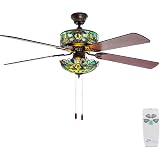
RIVER OF GOODS Stained Glass Magna Carta LED Ceiling Fan - 52" L x 52" W - Tiffany Style - Flush Mount Ceiling Fan with Remote - Teal
(as of October 18, 2026 01:00 GMT +00:00 - More infoProduct prices and availability are accurate as of the date/time indicated and are subject to change. Any price and availability information displayed on [relevant Amazon Site(s), as applicable] at the time of purchase will apply to the purchase of this product.)
1MORE Triple Driver In-Ear Headphones - Silver - Wired - Adult - In Ear - 18 grams - 90 days limited warranty
(as of October 18, 2026 01:00 GMT +00:00 - More infoProduct prices and availability are accurate as of the date/time indicated and are subject to change. Any price and availability information displayed on [relevant Amazon Site(s), as applicable] at the time of purchase will apply to the purchase of this product.)
Supa Ant 6x8ft. Welding Blanket Fireproof (Pack of 2) - Heavy Duty Weld Fire Blanket Tools - Welders Cover for Men Curtain with Gloves - Large Welding Gear for Welder Accessories
(as of October 18, 2026 01:00 GMT +00:00 - More infoProduct prices and availability are accurate as of the date/time indicated and are subject to change. Any price and availability information displayed on [relevant Amazon Site(s), as applicable] at the time of purchase will apply to the purchase of this product.)