Man Claims Discovery of Ancient Amphitheater, But Shocking Truth Emerges Behind Its Origins
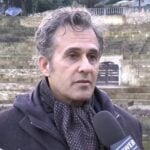
So, picture this: a guy in northern Italy decides to make a name for himself by “uncovering” an ancient Greek amphitheater—except he totally made the whole thing up. Yep, Franco Malosso pulled off what might be history’s most bizarre tourist trap in Arcugnano by building a fake theater, dressing it up like it had centuries of dust and drama, and charging folks up to 46 bucks a pop to take a gander. How many people bought into the ultimate history con? Enough to keep the circus running for a couple of years before the local authorities caught on. You’ve got to wonder—what goes through someone’s mind when they think, “Hey, let’s fake antiquity and make a quick buck”? And how in the world did visitors not spot the glaring blunders? This isn’t just a tale of scam artistry; it’s a wild reminder that not everything labeled “ancient” is legit. Dive into the story of Malosso’s grand hoax, his slap-dash “ruins,” and the jaw-dropping fallout that followed.
In 2014, Franco Malosso began advertising the ancient Greek amphitheater he’d uncovered following a landslide in Arcugnano, Italy several years before — but it was all a scam.
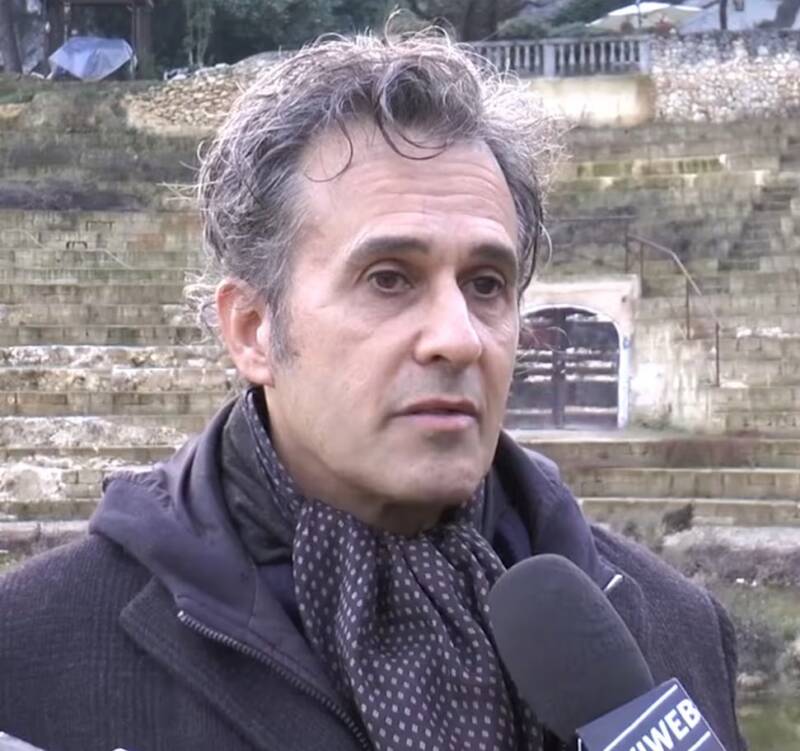
TViwebFranco Malosso standing among the “ruins” that he passed off as ancient Greek to unsuspecting visitors.
Arcugnano, a town in northeastern Italy, is rich in ancient history, with ruins and artifacts spanning from the Neolithic period to the Roman era. Amongst these heritage sites was an ancient Greek amphitheater, which tourists could visit in recent years for an entry price as high as $46.
The only problem? The theater was a fake, built only a few years ago by a man named Franco Malosso. He successfully duped visitors for several years until his scam was reported to local authorities in 2016. Malosso’s ensuing legal battle has been unfolding ever since — and he was just now sentenced to prison.
How Franco Malosso Tricked Tourists With His Fake Amphitheater For Years
The theater was built on part of the UNESCO-protected Berici Hills. According to court documents, Malosso originally requested permission to build a garage on the land. But instead, he hired a local construction company to build the theater, telling them to “make it look old,” according to one builder who gave evidence in court.
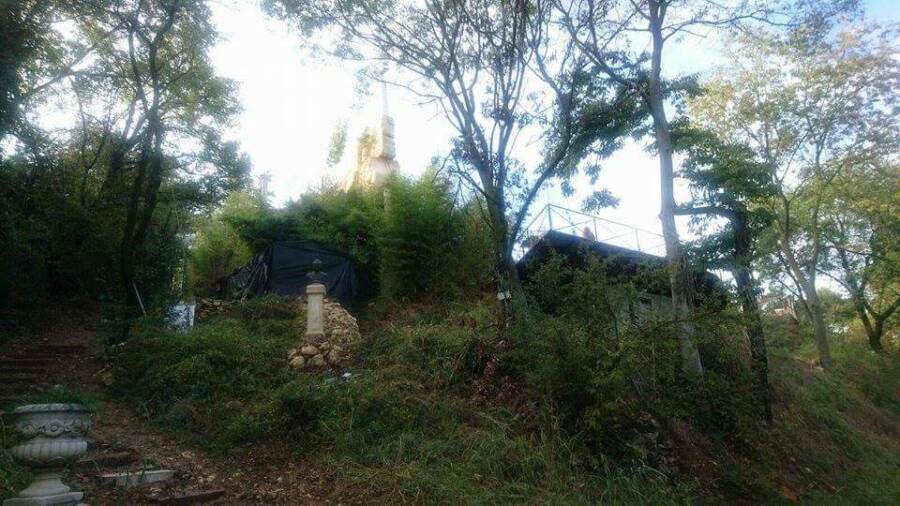
Anfiteatro Berico/FacebookMalosso hired a local construction company to build the steps and statues, making them look artificially “old.”
The artificially aged seating and steps of the theater were situated next to several cement columns and plaster statues that looked over a “lake.”
Malosso began advertising the 54,000-square-foot site to the public in 2014. Malosso even put on concerts and performances at the site, which was referred to by three names: Anfiteatro Berico, Anfiteatro Marittimo Berico, and Anfiteatro Porta degli Angeli.
To view the “ancient” theater, visitors from out of town were charged 12 euros, or $14, and, perhaps as a way to disincentivize them from finding him out, locals were charged 40 euros, or $46.
Reportedly, private group tours were also available for 600 euros ($692) for 45 minutes. The costs were framed as a way for visitors to contribute to the “upkeep” of the theater. It is unknown how many tourists fell for the scam, but it went on for two years, until the site was reported to local authorities in 2016.
The Glaring Signs That Arcugnano’s “Anfiteatro Berico” Was Actually A Fake
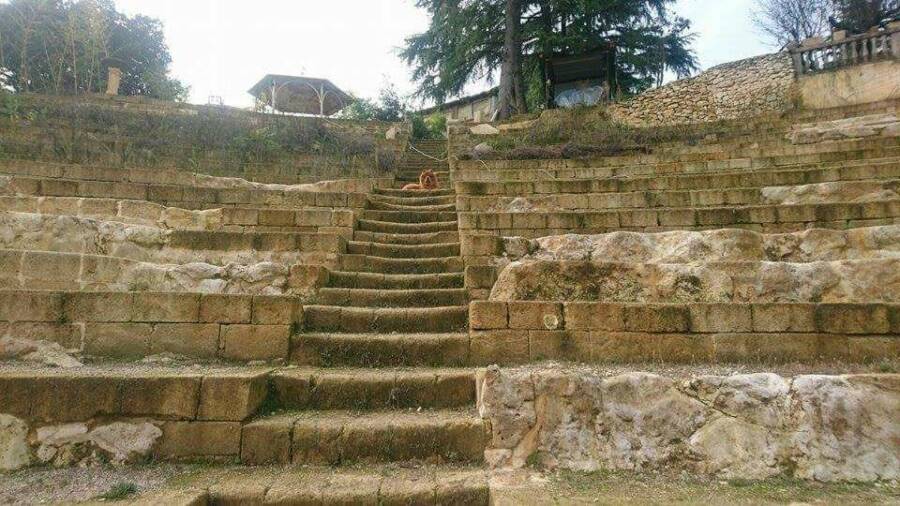
Anfiteatro Berico/FacebookFranco Malosso reportedly told visitors that the theater was frequented by Juliet Capulet — a fictional character created by William Shakespeare.
It’s not to say that there weren’t red flags regarding Franco Malosso’s forgery. According to the prosecution, Malosso told visitors that the site had been frequented by Julius Caesar, Cleopatra, and the fictional William Shakespeare character Juliet Capulet, the doomed teenage paramour of Romeo Montague.
The name “Marittimo” also implies that the theater would be near the sea, but the town is around 50 miles from the coast. The name “Porta degli Angeli” indicates an ancient “Angels’ Gate,” which the site lacked as well.
Moreover, the building was a fan-shaped theater, not an amphitheater, which would be oval. And most telling of all is that the theater could not have been Greek, as the ancient Greeks only colonized Italy in areas far south of Arcugnano.
The prosecution also said that Malosso told visitors he had discovered the ancient site after a landslide, which, according to experts, wouldn’t be possible due to the painstaking and careful process that actual archaeological excavation entails.
Franco Malosso Faces Justice For His Fake Theater Hoax
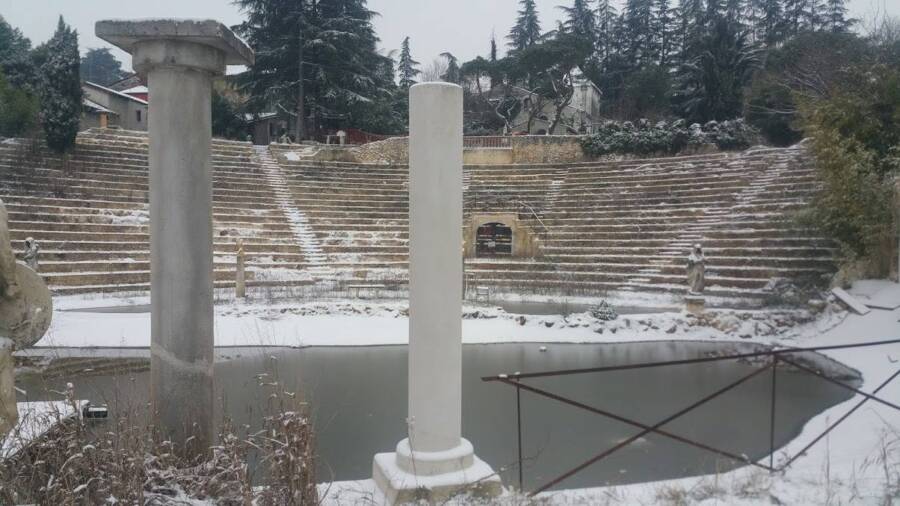
Anfiteatro Berico/FacebookThe site was reported to local authorities in 2016, two years after Franco Malosso began charging visitors to tour it.
“You’re not allowed to dig up antiquities in your backyard,” Darius Arya, an archaeologist and director of Ancient Rome Live, told CNN. “You have to declare it, they investigate it, they excavate. This is terrible.”
After being reported in 2016, the site was inspected by the local police and members of the local heritage board. The forgery was so clear that the inspection only took one day, Lt. Col. Giuseppe Marseglia told CNN.

Supa Ant Canning Supplies Starter Kit (Food Grade) - Canning Kits Set for Beginners - 3 Pcs. Including Wide Mouth Jar Funnel, Magnetic Lid Lifter, Stainless Steel Jar Lifter (Assembled in USA) Blue
$9.99 (as of October 22, 2026 01:01 GMT +00:00 - More infoProduct prices and availability are accurate as of the date/time indicated and are subject to change. Any price and availability information displayed on [relevant Amazon Site(s), as applicable] at the time of purchase will apply to the purchase of this product.)
RIVER OF GOODS Stained Glass Bird Accent Lamp - 8" W x 13.5" H - Tiffany Style Table Lamps for Home, Office Desk, Bedroom, Nightstand - Blue Jay Decor
$79.99 (as of October 22, 2026 01:01 GMT +00:00 - More infoProduct prices and availability are accurate as of the date/time indicated and are subject to change. Any price and availability information displayed on [relevant Amazon Site(s), as applicable] at the time of purchase will apply to the purchase of this product.)
White Leaf Baby Food Pouches, Toddler Snack, Mango + Carrot + Banana + Pear | 24 Pack, Organic No Added Sugar, Non-GMO, BPA-Free Regeneratively Farmed, Squeeze Puree Smoothie Pouch for Adults & Children
$69.95 (as of October 22, 2026 01:01 GMT +00:00 - More infoProduct prices and availability are accurate as of the date/time indicated and are subject to change. Any price and availability information displayed on [relevant Amazon Site(s), as applicable] at the time of purchase will apply to the purchase of this product.)
1MORE Triple Driver in-Ear Earphones Hi-Res Headphones with High Resolution, Bass Driven Sound, MEMS Mic, in-Line Remote, High Fidelity for Smartphones/PC/Tablet - Silver
$69.99 (as of October 22, 2026 01:01 GMT +00:00 - More infoProduct prices and availability are accurate as of the date/time indicated and are subject to change. Any price and availability information displayed on [relevant Amazon Site(s), as applicable] at the time of purchase will apply to the purchase of this product.)