Unseen Moments: 76 Stunning Wildlife Photos That Captivated the NPOTY People’s Choice Over the Years
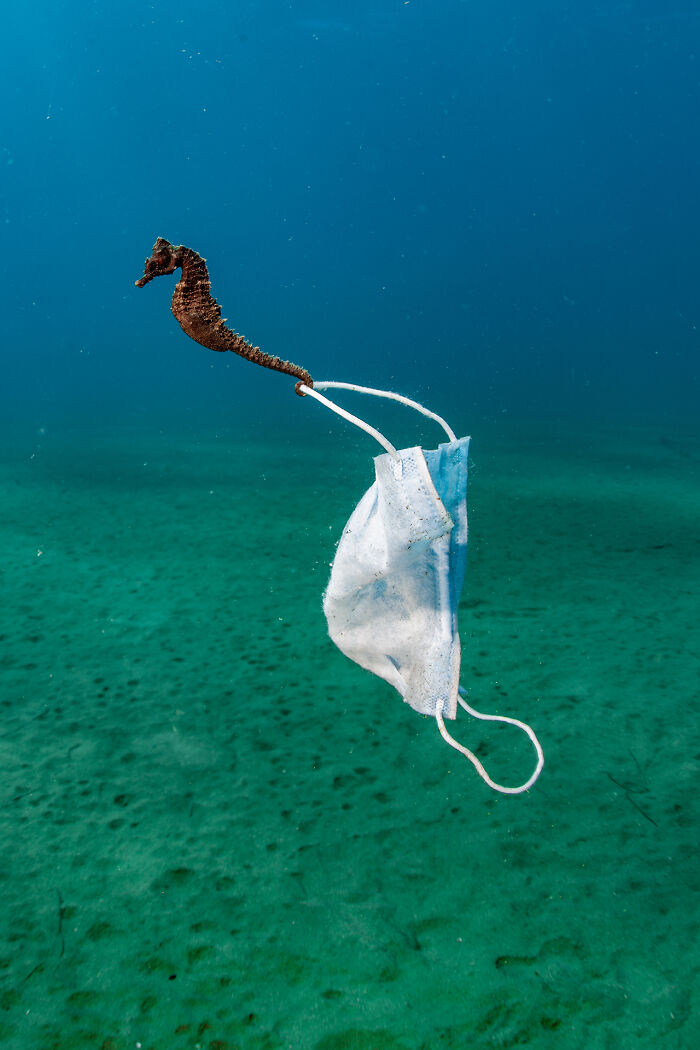
However, for some reasons that have not yet been discovered, seahorses continue to live there and multiply at a steady rate. All this time in Stratoni, I have witnessed some amazing scenes with seahorses, watching them swimming, peacefully floating, achieving amazing camouflage, flirting, and mating. Over the years, the seahorse’s colony has survived enormous natural disasters, overfishing, waste thrown into the sea from the village pipelines, and interventions by the adjacent gold mine.
When you regularly dive at a point, you have the opportunity to observe the changes that occur at that point and how much the human presence affects the environment. The COVID-19 virus in 2020 and the mandatory use of plastic gloves, disposable masks, and sanitizers have led (and still lead) to an even greater contamination of the already polluted sea. It’s the promise of pollution to come if nothing is done. Unfortunately, the already burdened bay has to face another problem, the “Covid waste”.
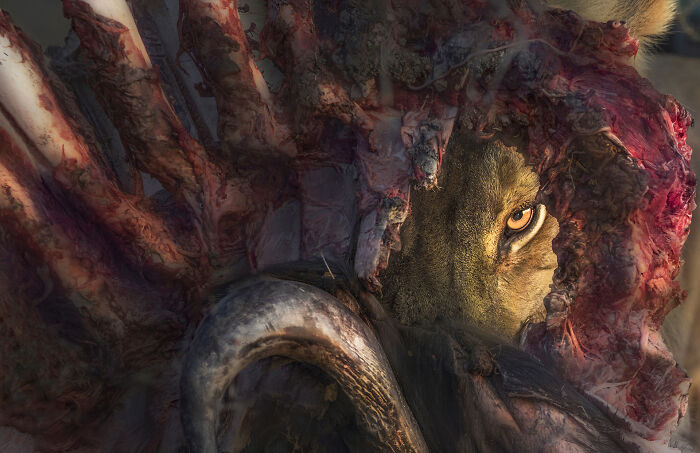
But this is normal in nature, so this isn’t the reason why I say it was the toughest. The best part still had to come through. In the middle of the next night, the lions came under attack by almost 30 hyenas trying to steal the kill from them! It was a rare and cruel scene that I, the guide on the safari, and clients, of course, had never seen before. The ferocity, the sounds of terror coming from everywhere, and the intense darkness made the shots very tough to get.
The next morning, this large male lion returned and peered through the bones, creating this portrait. That was the moment I felt the power of the king in my heart!
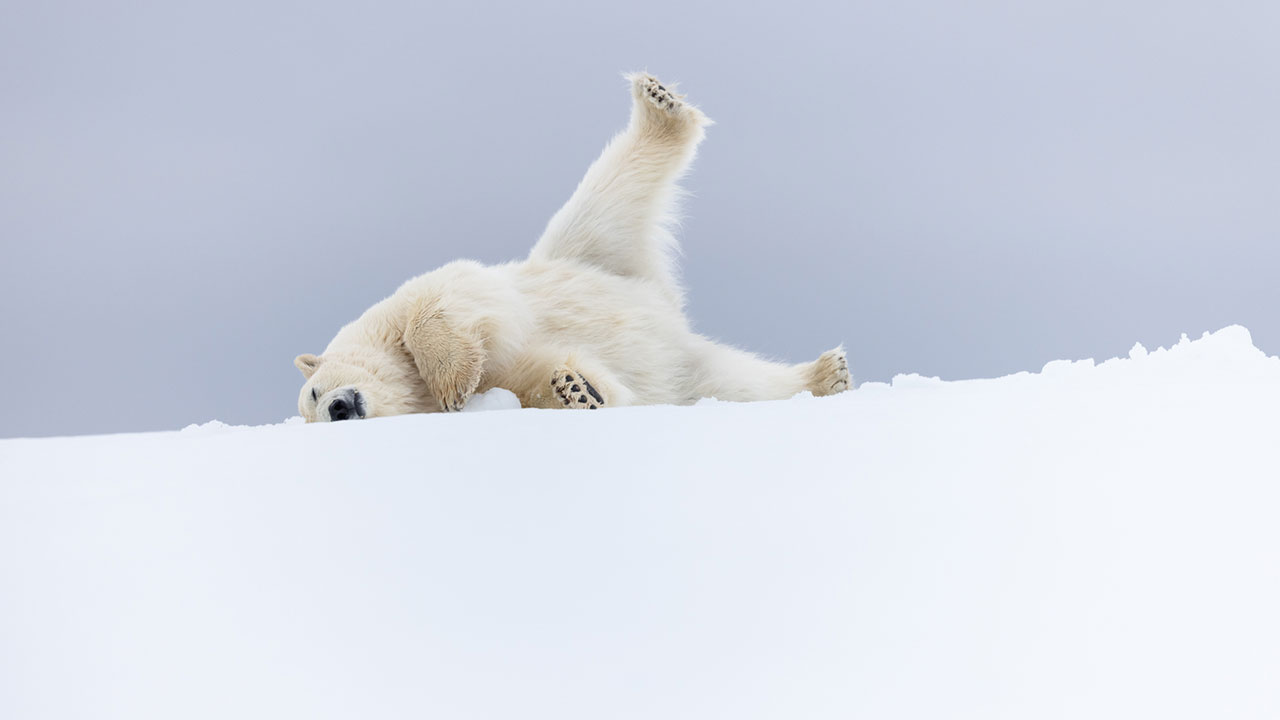
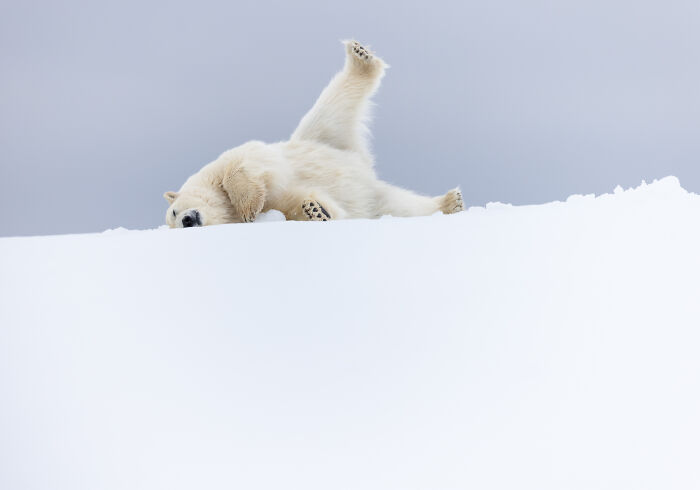
We had enjoyed a few polar bear sightings, some at a considerable distance while exploring the archipelago, but on the penultimate day in the North of the islands, we came across this female who had located a Walrus carcass on the rocky shoreline. She had obviously been there with it for some time, by the size of her distended belly and the marks in the snow.
We then watched her repeat a cycle of sleeping in a snow hole she had dug above the shoreline, emerging to stretch, before then making her way down to eat her fill of the carcass. She would look up from time to time, with her head and chest smothered in blood. It was very difficult to find a clear angle and frame a composition, as the carcass was nestled amongst large rocks and the idling Zodiac was being tossed up and down in the offshore swell, often causing the images to be clipped, or have the horizon at very extreme angles. However, once repleat, she would briefly wade into the sea to wash the worst of the blood from her coat, before returning to the snow slopes above the carcass to snow bathe. Here she would snow plough, roll and toboggan, in order to return her coat to its pristine condition, which she could achieve surprisingly quickly. She would then return to her snow hole and sleep, repeating the process several hours later.
This snow bathing and later play presented the best opportunity to photograph her, but when we first found her the light was poor, and from our lower angle on the sea she was often partly obscured by the largest rocks. Returning later in the evening, we found her higher on the slopes, clear of all obstruction, just playing in the snow as she was already spotlessly clean. Over the course of the next twenty minutes, we watched as she snow ploughed, slid down the slopes, rolled, or just lay on her back chilling out in the sun before we left her to her evening, and this is when this image was taken.







WIN $500 OF SHOPPING!
This will close in 0 seconds













Post Comment